Reykjavík, Capital city in southwestern Iceland.
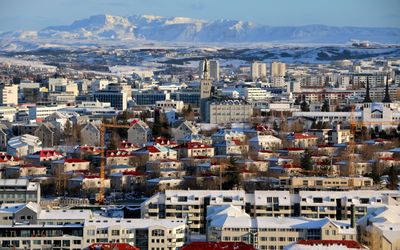
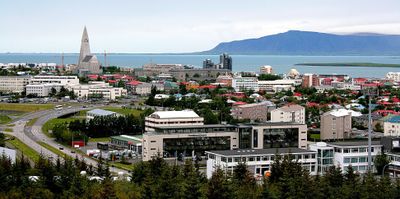
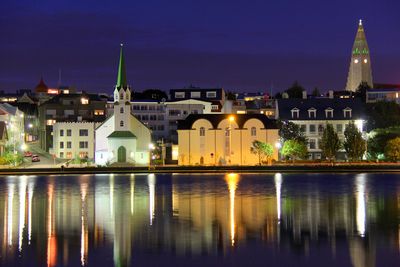
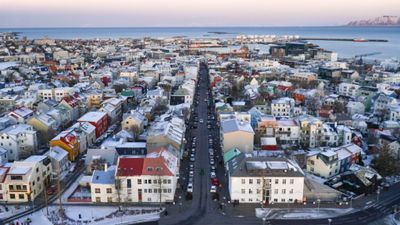
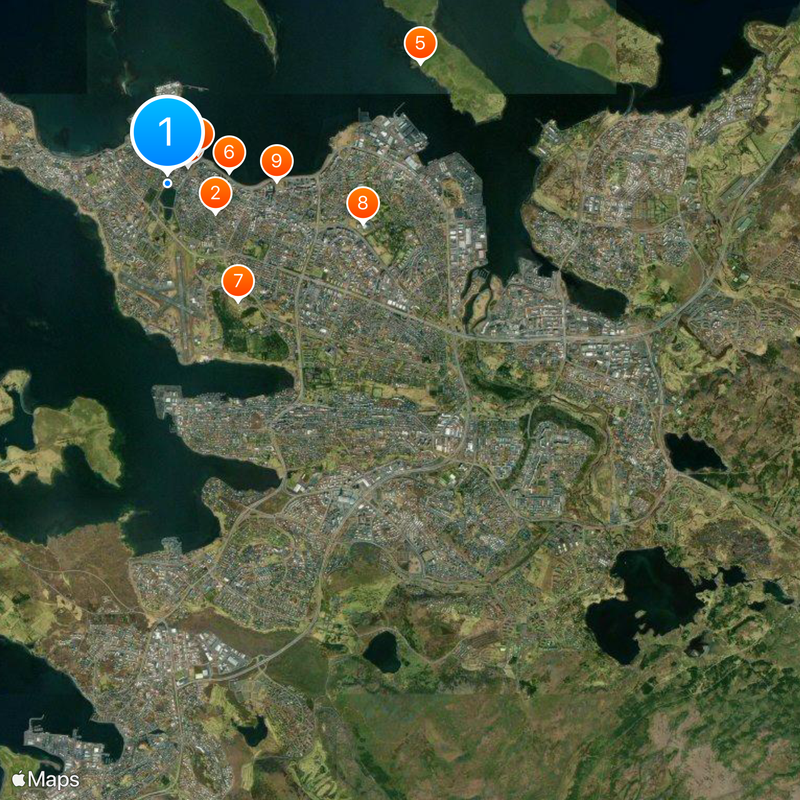
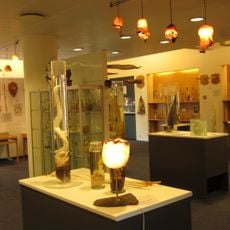
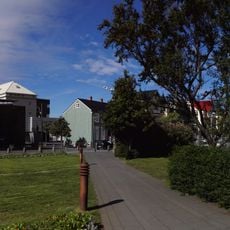
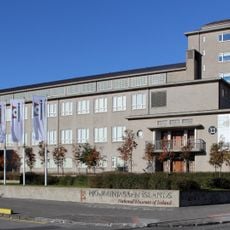
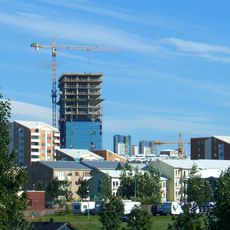
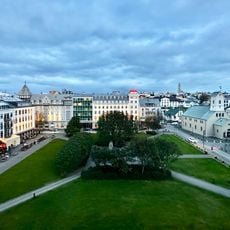
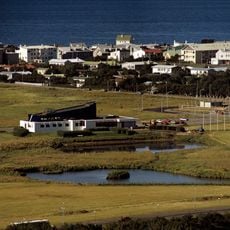
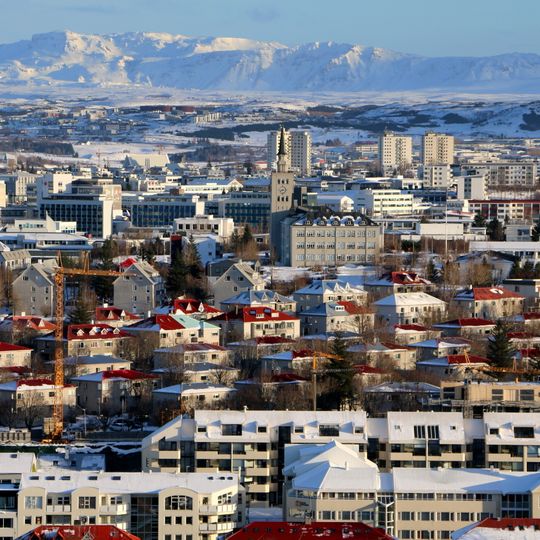
Reykjavík is the capital in southwestern Iceland, where low buildings with painted corrugated metal facades line the streets and most structures stand no higher than three or four floors. Wide roads link residential neighborhoods to a compact downtown area where shops and cafés occupy ground floors of small houses.
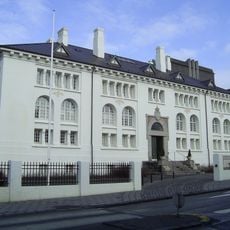
The first permanent farm appeared here in the 9th century, but urban development began only after 1786 when Danish merchants set up a wool trading station. Independence movements in the early 20th century brought government buildings and official institutions to the settlement.
Locals often meet friends and family at public thermal pools in the evenings, where conversations continue in the hot water year-round. Many residents leave their shoes outside when entering homes, a custom that keeps indoor spaces clean during wet and muddy seasons.
Most streets downtown remain walkable despite wind and light rain, but waterproof jackets help during sudden weather changes. Guided walking tours usually start near the harbor and last about two hours covering the older districts.
Sidewalks throughout town stay ice-free in winter thanks to underground geothermal heating pipes installed beneath the pavement. Several streets in the older section carry names from Norse mythology rather than historical figures or local leaders.
The community of curious travelers
AroundUs brings together thousands of curated places, local tips, and hidden gems, enriched daily by 90,793 contributors worldwide.