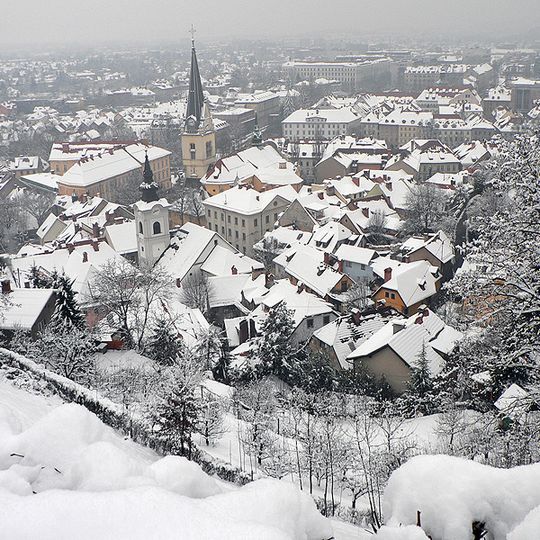
Ljubljana, Capital city in central Slovenia
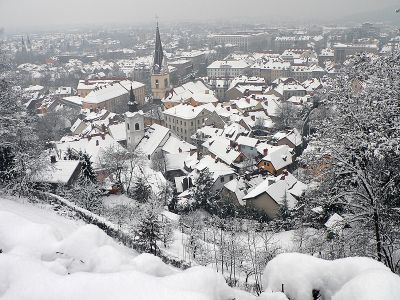
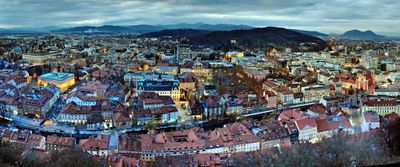
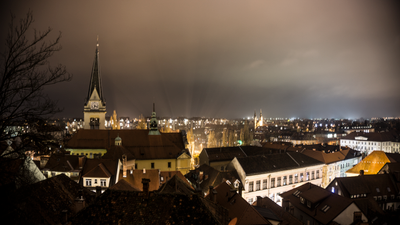
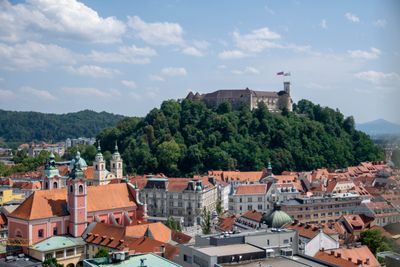
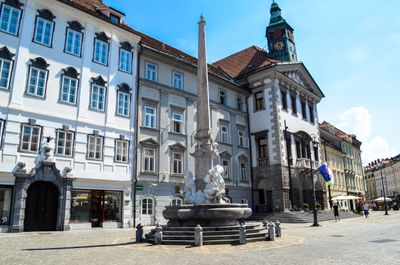
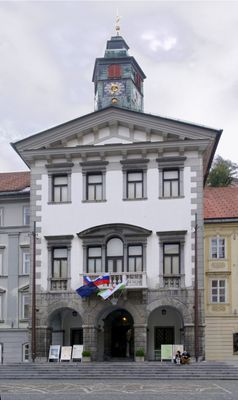
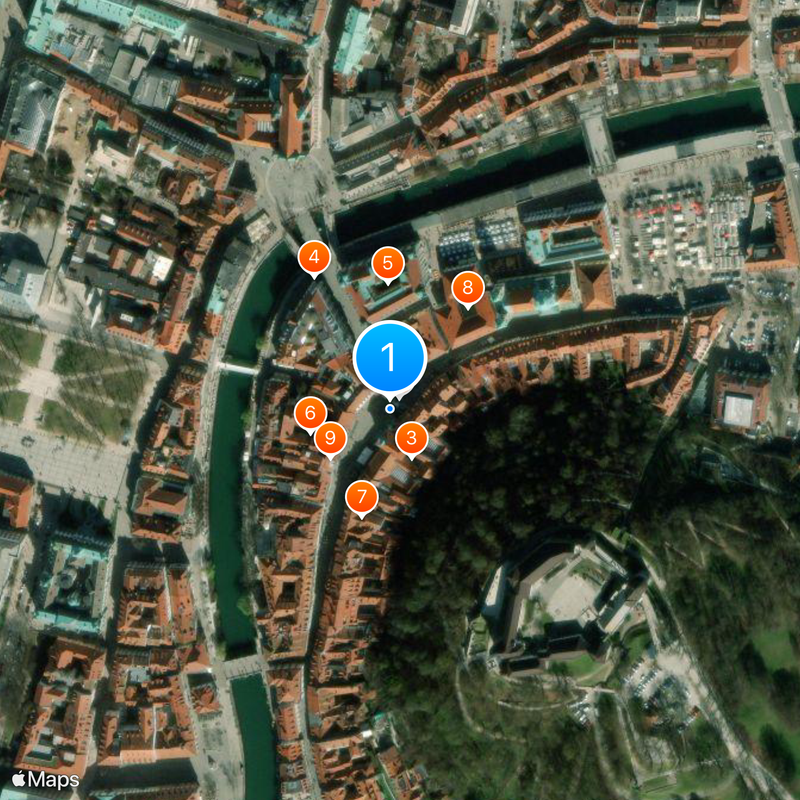
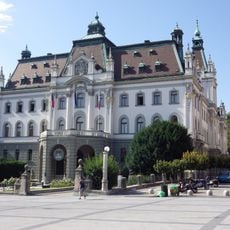
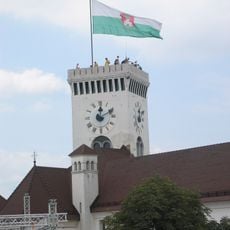
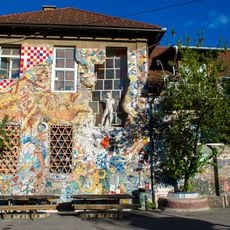
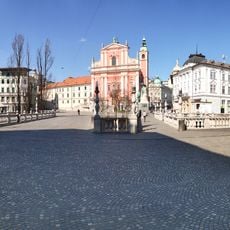
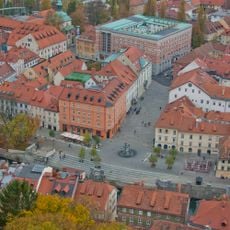
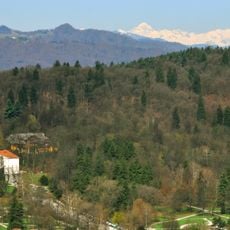
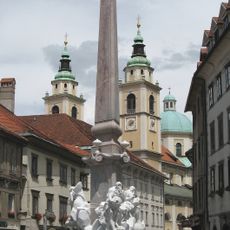
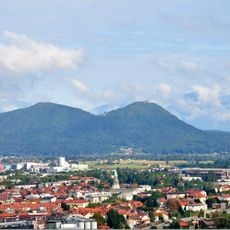
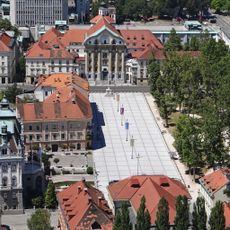
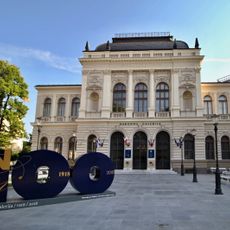
Ljubljana is the capital of Slovenia and sits on the Ljubljanica River near the center of the country. The old quarter extends along both banks with cobbled streets and low buildings in soft colors, while a fortress on the hill rises above and newer neighborhoods spread across level ground farther out.
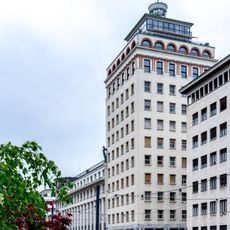
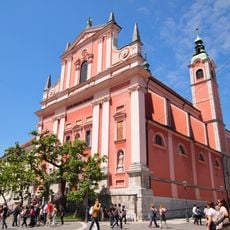
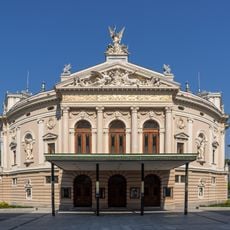
An earthquake in 1895 forced the rebuilding of much of the center in Art Nouveau forms. The city became capital of socialist Slovenia after the second world war and kept that function when the country gained independence in 1991.
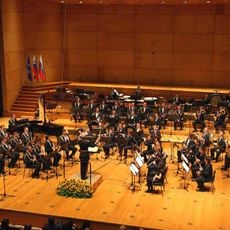
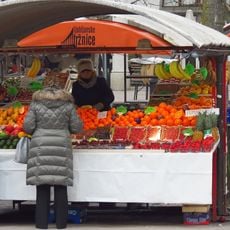
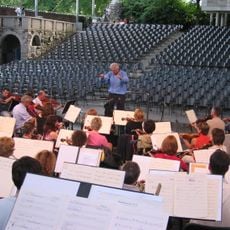
Students meet in cafés along the river throughout the year, giving the place a young feel that shapes daily life. Markets and outdoor concerts take place often in squares, where locals and travelers mingle in a relaxed mood.
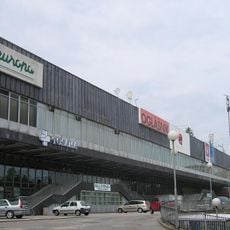
Most sites lie within walking distance in the center, since the old quarter is closed to cars. Buses connect outer neighborhoods to the main train station, which offers international lines to all neighboring countries.
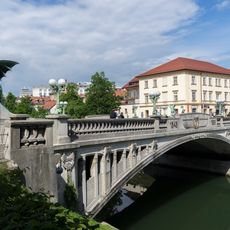
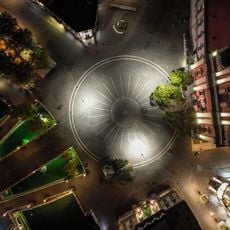
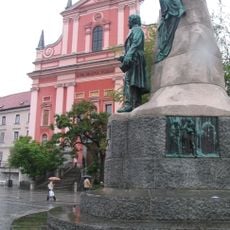
Architect Jože Plečnik designed many bridges and public spaces in the 1930s that gave the place its current look. His work mixes classical forms with local stone and still defines how the center appears today.
The community of curious travelers
AroundUs brings together thousands of curated places, local tips, and hidden gems, enriched daily by 90,803 contributors worldwide.