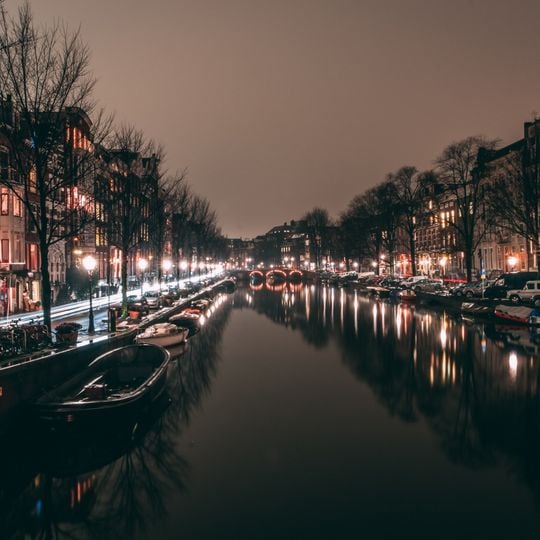
Amsterdam, Capital city in North Holland, Netherlands
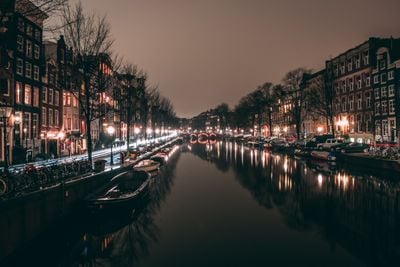
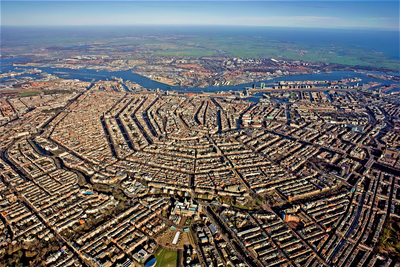
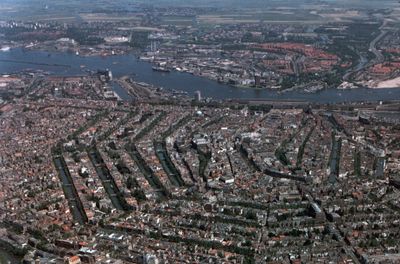
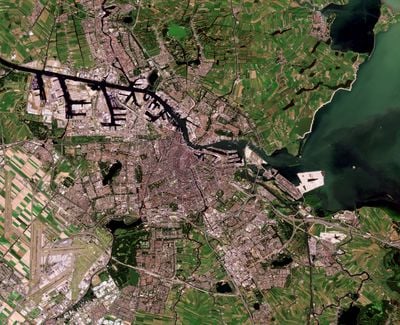
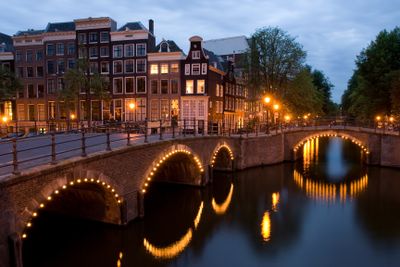
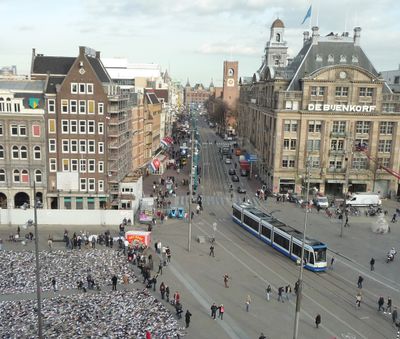
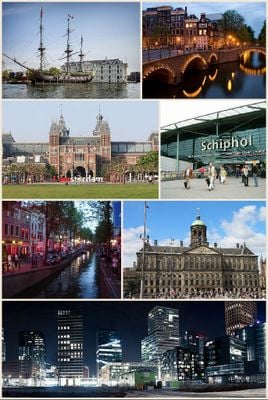
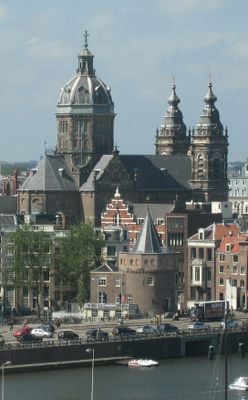
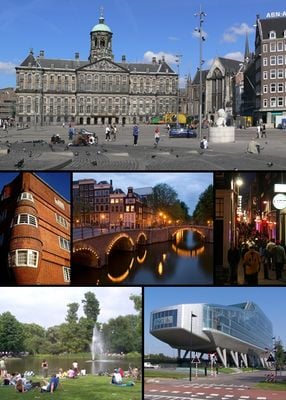
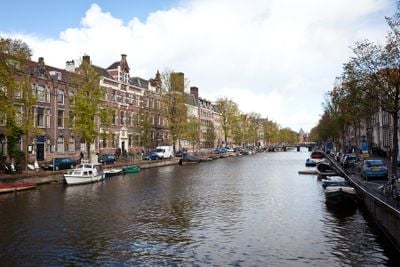
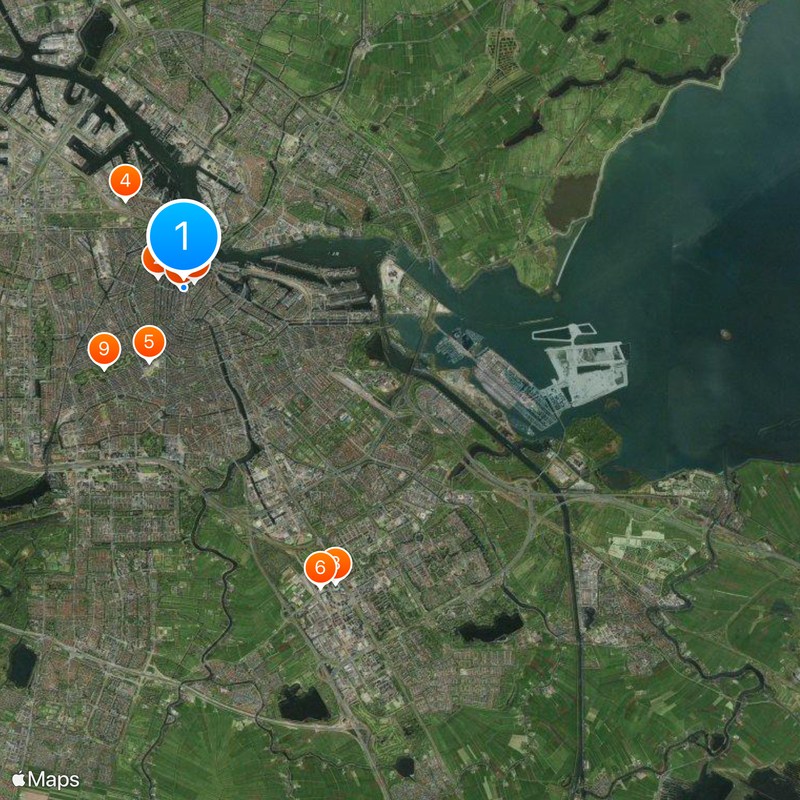
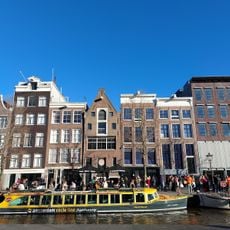
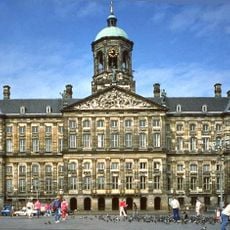
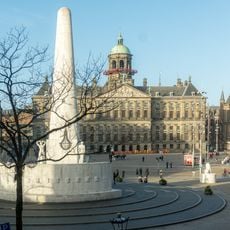
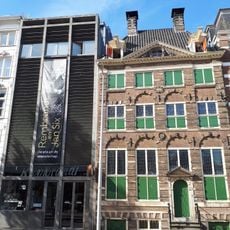
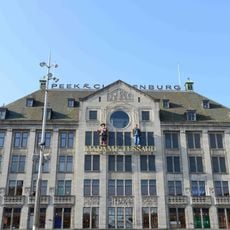
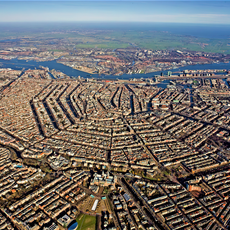
Amsterdam, the capital of the Netherlands, stretches across artificial islands connected by bridges that form a network of concentric waterways. The historic center includes the canal belt district, Dam Square with the Royal Palace, and the Nine Streets area, while modern neighborhoods such as Noord and Oost extend beyond the compact core.
The settlement emerged in the thirteenth century as a fishing village on the Amstel River and gained city rights in 1300. During the Golden Age of the seventeenth century, it grew into a major trading center after merchants founded the Dutch East India Company in 1602, and the canal ring took shape between 1613 and 1660 as a planned expansion for wealthy traders.
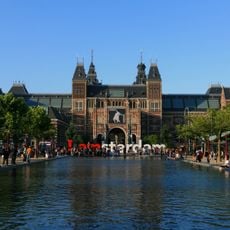
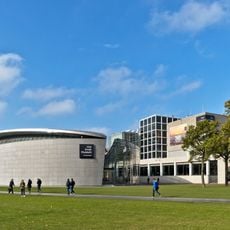
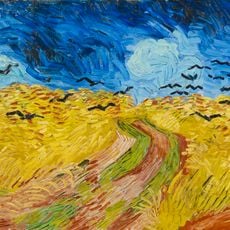
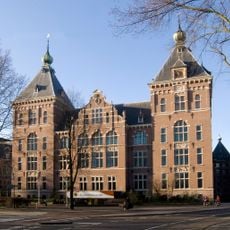
Around seventy museums and more than forty theaters draw visitors from around the world, including the Van Gogh Museum which holds the largest collection of his works. The Anne Frank House preserves memory of the German occupation during World War Two and welcomes over a million people annually, while the Jordaan has shifted from a working-class neighborhood into a center for galleries and antique shops.
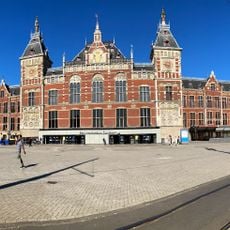
The city has a dense network of cycling lanes that makes bikes the preferred mode of transport, while Central Station serves as the main hub for connections. Peak season from April through September brings higher accommodation costs, and Schiphol Airport sits southwest of the center with train links of around a quarter hour.
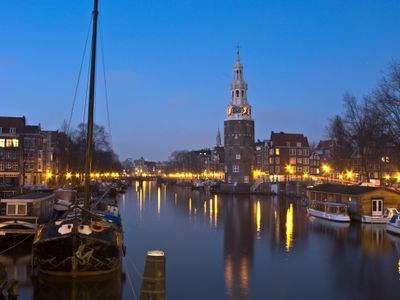
Around two thousand five hundred houseboats sit permanently moored along the canals and form floating neighborhoods with municipal permits that have not been issued for decades. Many of these vessels originated as converted cargo ships from the early twentieth century, and the waiting list for legal mooring spots can stretch over years, making existing permits valuable.
The community of curious travelers
AroundUs brings together thousands of curated places, local tips, and hidden gems, enriched daily by 92,542 contributors worldwide.