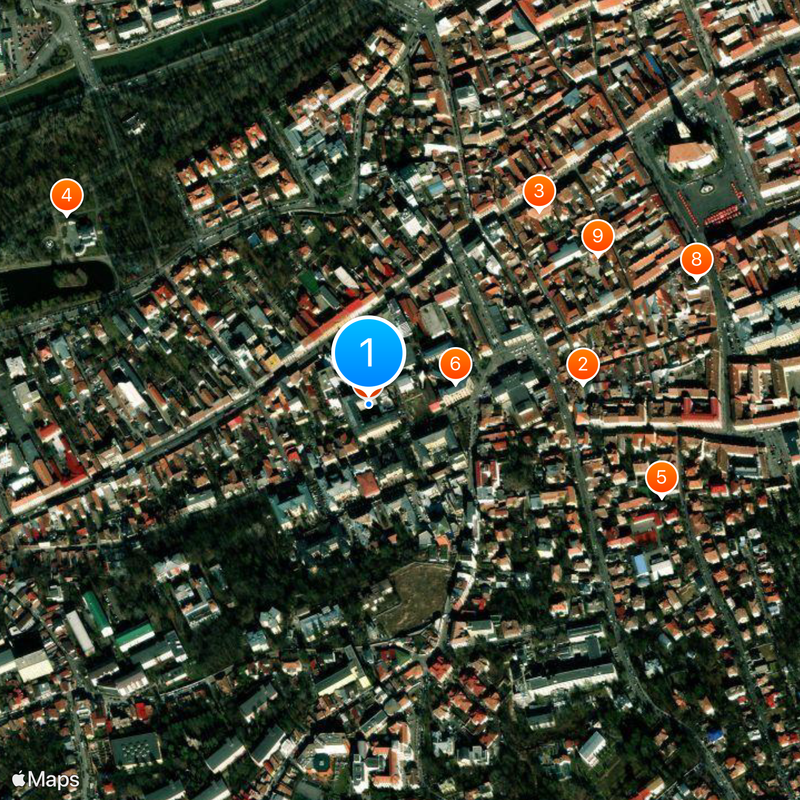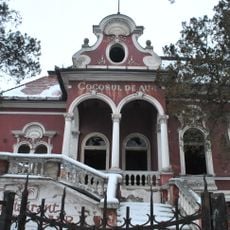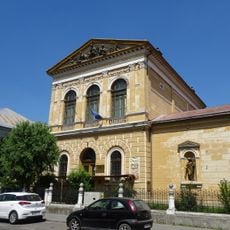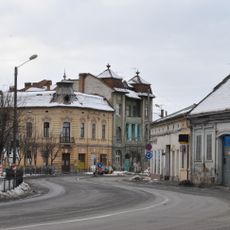
Transylvania, Historical region in northwestern Romania.
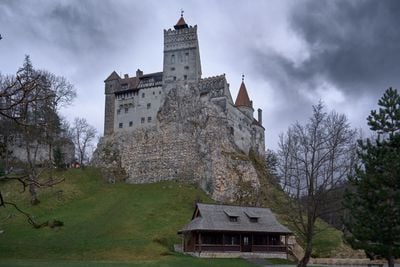
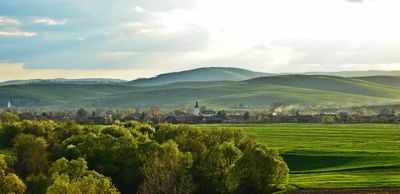
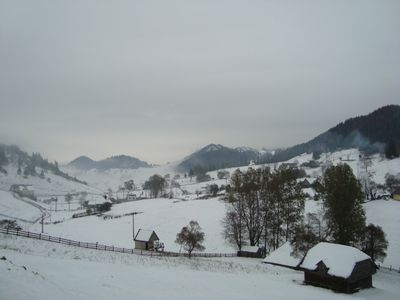
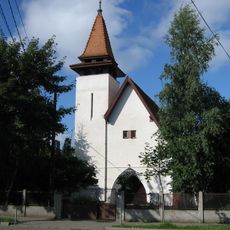
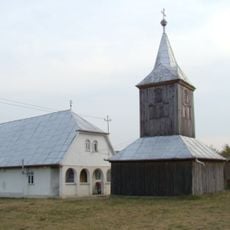
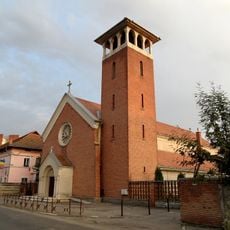
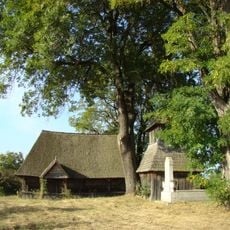
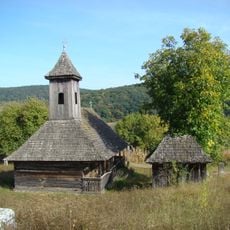
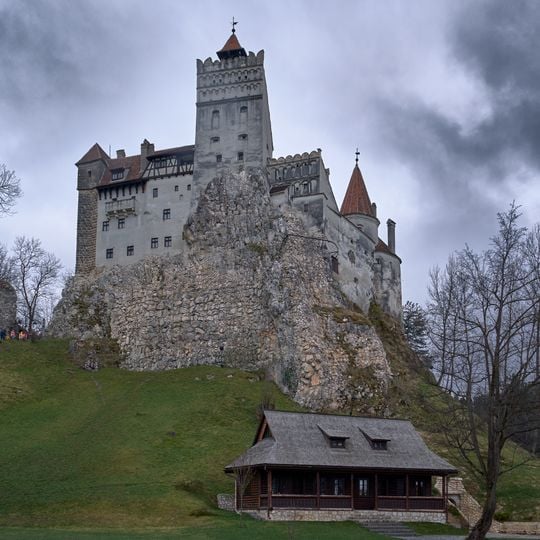
Transylvania is a region in northwestern Romania enclosed by forested mountains and crossed by rolling hills, wide valleys, and small rivers. The landscape alternates between open fields, dense woods, medieval castles perched on rocky outcrops, and fortified churches rising above rural villages.
The area was incorporated into the Roman Empire in 106 after Emperor Trajan defeated the kingdom of Dacia. Germanic settlers arrived later, and for centuries control shifted between Hungarian and Habsburg rulers until the region joined Romania in 1918.
Villages with wooden gates and painted houses dot the valleys, where local families still practice crafts such as weaving, pottery, and woodcarving passed down through generations. Markets in smaller towns bring farmers and artisans together, offering homemade cheese, jams, woven textiles, and handcrafted tools that reflect everyday rural life.
Several fortified churches and medieval town centers are recognized as UNESCO World Heritage sites and remain open for visits. Most landmarks lie in small towns reachable by car or regional buses, and some require short walks along unpaved paths.
The Latin name translates as 'beyond the forest', a reference to how medieval travelers from the west saw the land beyond the Carpathian ridges. The region remains home to small communities of Saxons and Hungarians who continue speaking their ancestral languages in daily life.
The community of curious travelers
AroundUs brings together thousands of curated places, local tips, and hidden gems, enriched daily by 90,790 contributors worldwide.