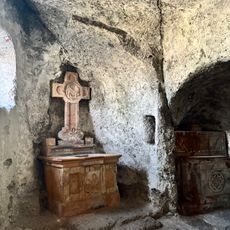
Historic Centre of the City of Salzburg, UNESCO World Heritage Site in Salzburg, Austria.
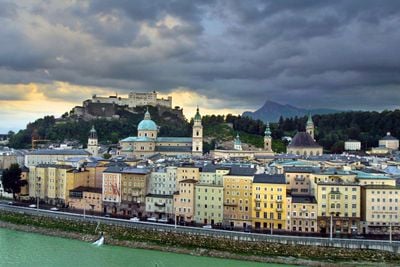
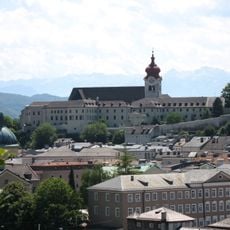
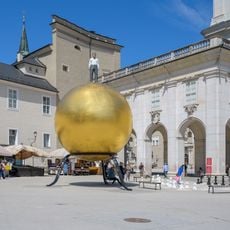
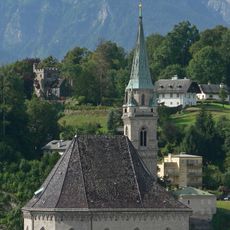
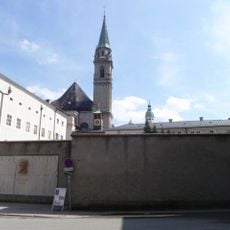
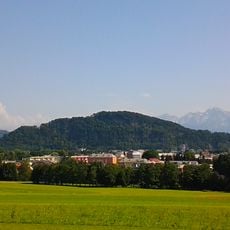
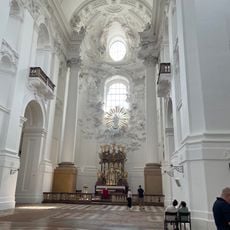
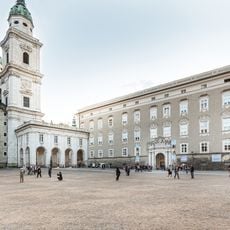
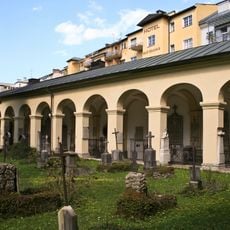
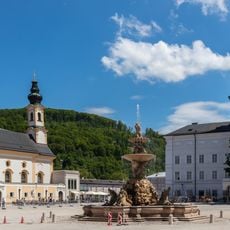
The UNESCO core zone covers 236 hectares on both banks of the Salzach, from the Left Old Town with Getreidegasse and the cathedral to the Right Old Town with Linzer Gasse, plus the Mönchsberg, Festungsberg and Kapuzinerberg. Its streets follow the medieval layout, lined with Romanesque, Gothic, Renaissance and Baroque buildings and arcaded courtyards.
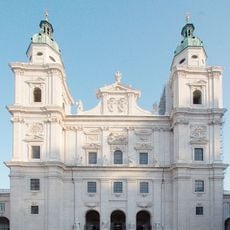
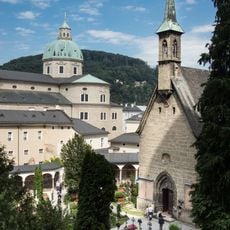
St. Rupert founded St. Peter's Abbey in 696 on land granted by Duke Theodo of Bavaria. A bishopric was established in the 9th century, and from 1481 the archbishops ruled as princes of a Holy Roman Empire state. Wolf Dietrich von Raitenau and Markus Sittikus von Hohenems began the baroque rebuilding around 1600; the cathedral was consecrated in 1628.
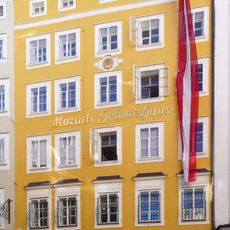
Getreidegasse at No. 9 is where Mozart was born on 27 January 1756, in a yellow house whose fourth floor is now a museum. The street's wrought-iron guild signs hang above the shop arcades, and Judengasse recalls the former Jewish quarter. Since 1920, Hofmannsthal's play Jedermann has opened the Salzburg Festival in the square before the cathedral.
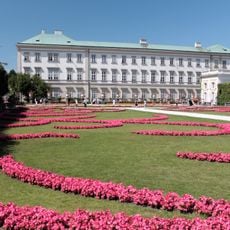
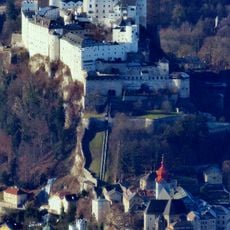
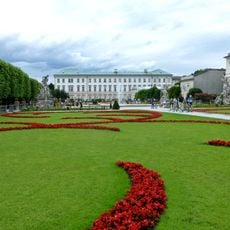
Walking tours depart from Residenzplatz and lead visitors through narrow streets to major sites like Hohensalzburg Fortress and Mirabell Palace. The area is designed for walking, and most places are easily reached on foot, though pathways slope uphill and downhill.
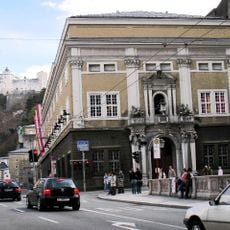
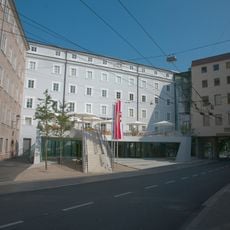
The Felsenreitschule was carved from the Mönchsberg rock in 1693 as a summer riding school, and its arcades of 96 loggias cut into the stone still line the auditorium. Since 1926 it has served as a festival stage; the 1965 film The Sound of Music used it for the contest scene.
The community of curious travelers
AroundUs brings together thousands of curated places, local tips, and hidden gems, enriched daily by 92,703 contributors worldwide.