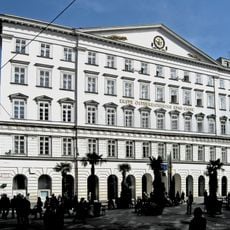
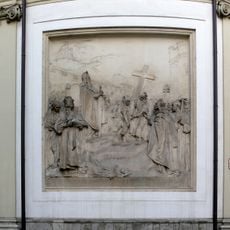
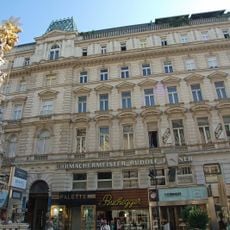
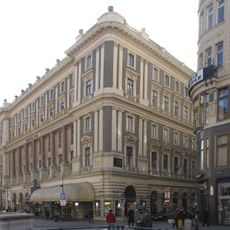
Fotzenpoidl, Baroque marble sculpture at Graben, Austria
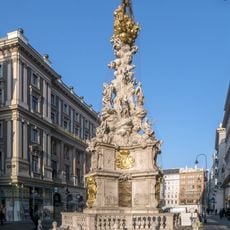
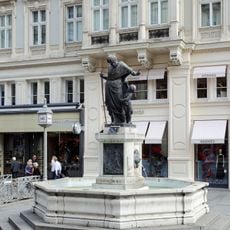
Fotzenpoidl is the Viennese nickname for the sculpture of Emperor Leopold I on the Plague Column on the Graben. The figure shows the ruler with an exaggeratedly misshapen mouth, especially a protruding lower lip. The column was commissioned in 1679; after a wooden version, the present structure was completed by 1694.
Sculptor Paul Strudel completed this marble figure in 1694 to commemorate the end of a severe plague epidemic that had struck Vienna in the late 1600s. The monument was created in response to one of the most serious public crises in the city during the 1600s.
The name Fotzenpoidl comes from the Bavarian-Austrian dialect word "Fotze" meaning mouth, referring to Leopold I's protruding lower lip; it is unrelated to the vulgar sense of the word. The nickname applies both to the emperor himself and to his figure on the column.
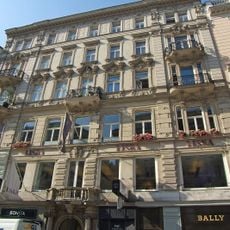
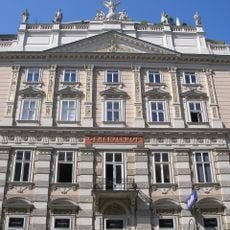
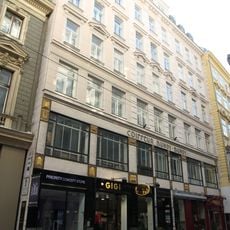
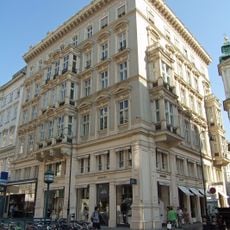
This sculpture stands in central Vienna at the intersection of Graben and Kohlmarkt streets, with easy access to public transportation and surrounded by shopping areas. The location is straightforward to reach on foot and connects well with other nearby attractions.
Legend holds that the sculptor gave Leopold I an exaggerated mouth because the emperor refused to pay the agreed wage for the Plague Column. The nickname Fotzenpoidl comes from the Bavarian-Austrian dialect word "Fotze" for mouth, not from the vulgar term for female genitalia.
The community of curious travelers
AroundUs brings together thousands of curated places, local tips, and hidden gems, enriched daily by 93,914 contributors worldwide.