Burgruine Hohenburg auf Rosenberg, Medieval castle ruin in Lurnfeld, Austria
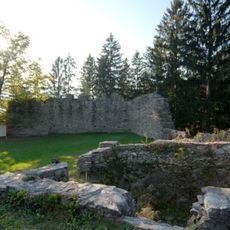
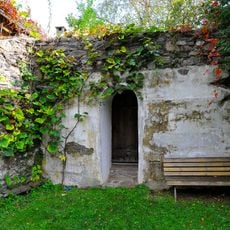
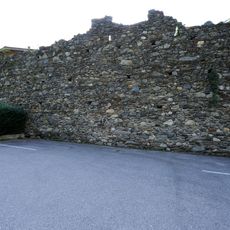
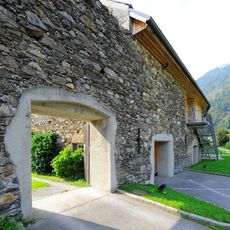
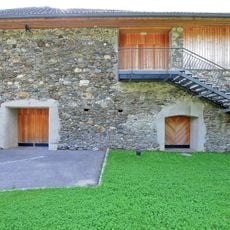
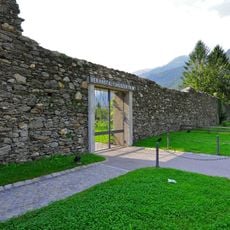
Burgruine Hohenburg auf Rosenberg is a ruined hilltop castle on a narrow rock ridge above the Drava Valley, on the southern slope of the Ankogel Group. Its walled area measures about 80 metres long and only 12 metres wide, with a ditch-like hollow dividing it in the middle. The few surviving masonry remains date back to the 12th century, and the layout points to a medieval sectioned castle (Abschnittsburg).
First mentioned as castrum Hohenburc in 1142, the castle was the seat of the Bavarian Counts of Lurn, who administered the Lurngau. The last count, Altmann, became Prince-Bishop of Trent in 1124; on his death in 1149 the castle passed to the Archbishopric of Salzburg. In 1263 Duke Ulrich III mediated a division between Salzburg and the Ortenburgs, and in 1311 Archbishop Conrad IV enfeoffed part of the castle to the Ortenburg sons.
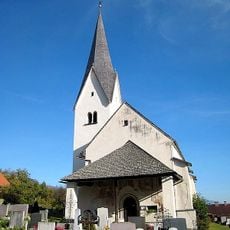
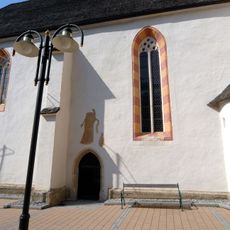
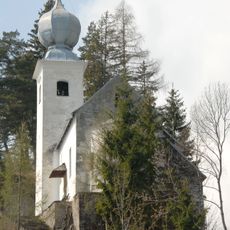
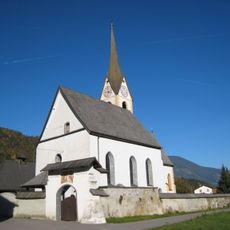
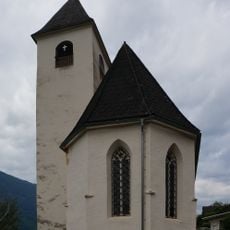
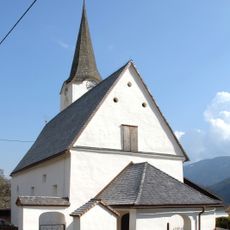
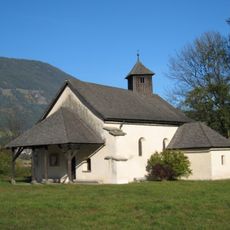
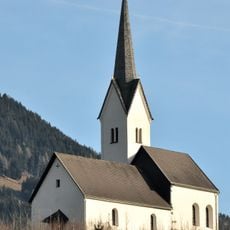
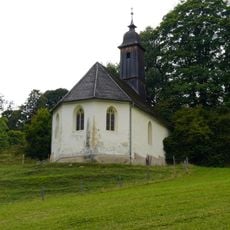
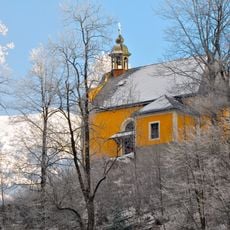
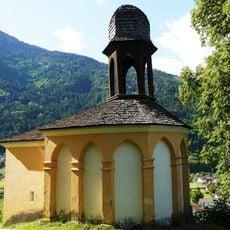
The chapel here was converted into the pilgrimage church Maria in Hohenburg in 1707, marking how this place shifted from military use to spiritual importance. Today visitors can see how medieval fortifications sometimes found new purpose and meaning in later centuries.
The site is accessible on foot and allows visitors to explore the ruins freely without restrictions. The steep location on the rocky ridge requires sturdy footwear and sure footing to safely navigate the remains.
The extremely narrow width of just 12 meters stretched over 80 meters of length reveals how medieval builders adapted their designs to difficult terrain. This unusual proportion makes it a notable example of how fortifications were fitted to the natural landscape.
The community of curious travelers
AroundUs brings together thousands of curated places, local tips, and hidden gems, enriched daily by 92,653 contributors worldwide.