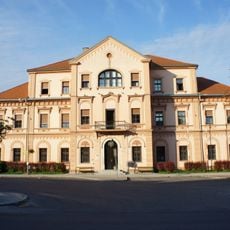
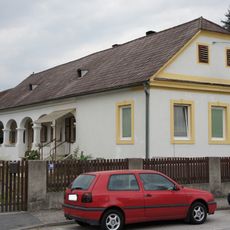
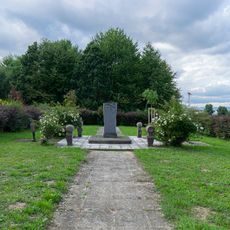
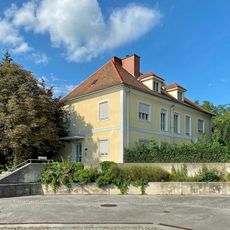
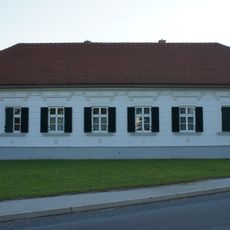
South-east wall, World War II defense fortification in Burgenland, Austria
The South-east wall is a network of trenches, bunkers, and anti-tank ditches stretching from Lake Neusiedl to the Drava River. The system included multiple lines of defensive structures protecting the southeastern border region.
The South-east wall was built in 1944 by Nazi Germany along its southeastern border to block the Soviet Army from advancing into German territory. The project was one of the regime's last major fortification efforts before its collapse.
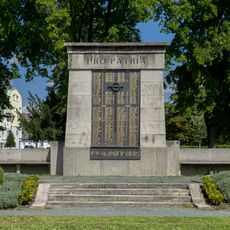
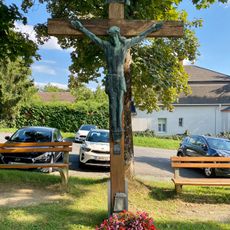
Memorial sites along the fortification line document the deaths of Hungarian Jewish forced laborers who perished during construction. These places show the human cost of a war project built on exploitation.
The remaining segments of the fortifications pass through agricultural fields and forested areas, accessible via local hiking trails and marked routes. Visitors can explore these structures best with maps or guides available at information points along the sites.
The defense system incorporated natural terrain features and adapted to concrete shortages, leading to the use of simpler materials in places. The width and depth of trenches therefore varied across different sections of the fortifications.
The community of curious travelers
AroundUs brings together thousands of curated places, local tips, and hidden gems, enriched daily by 91,374 contributors worldwide.