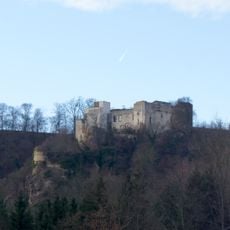
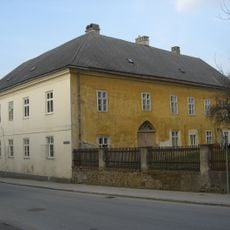
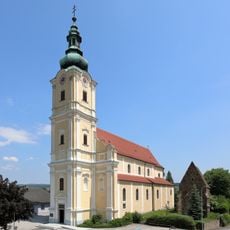
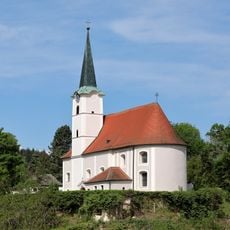
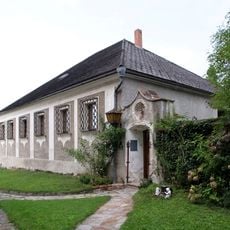
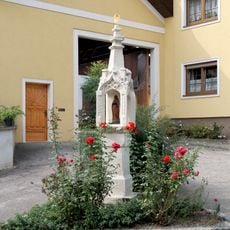
Schloss Sitzenthal, Renaissance castle in Loosdorf, Austria
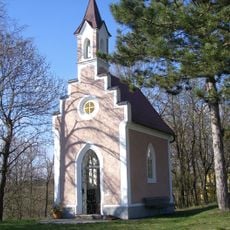
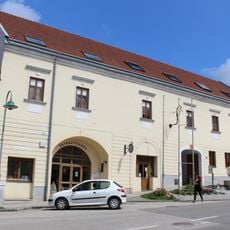
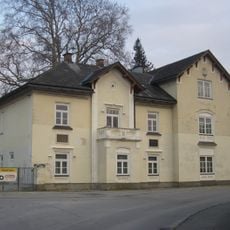
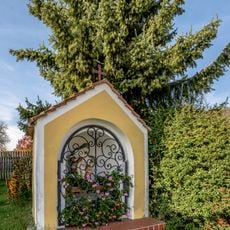
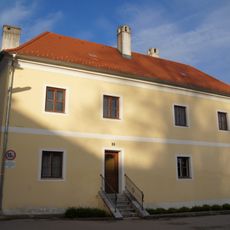
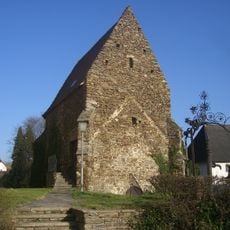
Schloss Sitzenthal is a Renaissance castle in Loosdorf with three stories and eleven window axes across its main facade, along with two wings extending to the east. A chapel dedicated to Saint Joseph sits in the northern section of the structure.
Sitzenthal was first documented in 1287, when Otto von Scheuernberg sold his farm there to Hartwig von Wasen; the name goes back to the 12th-century feudal lord Sighard von Schalla. The castle was rebuilt in the 16th century and again in 1835 under Anton Ledóchowski, whose renovations likely removed the former residential tower. The walled moat was filled in 1899, and the estate passed to the Counts Braida in 1897.
The name Sitzenthal derives from Sizo, a short form of Count Sighard von Schalla, a 12th-century feudal lord here. In the 18th century, allegedly under Maria Theresa, released convicts were settled by the manor and worked at the Meierhof; about ten families later took up itinerant trades such as scissors grinding, umbrella making and peddling, and adopted the Jenische language.
The castle lies about two kilometres northeast of Loosdorf, on the Pielach. It is private property and cannot be visited inside; the grounds and the English park reaching down to the river are only seen from outside. Events for children are occasionally held in the building by the Loosdorf branch of the Kinderfreunde.
Hans von Hammerstein-Equord, born at the castle in the interwar years, became known beyond Austria as a writer; the estate passed to the Counts Braida in 1897 through his mother's sale and remains in that family's hands, so the building is closed to the public and its condition is described in the sources as much in need of improvement.
The community of curious travelers
AroundUs brings together thousands of curated places, local tips, and hidden gems, enriched daily by 94,193 contributors worldwide.