Kaiserschild, Alpine summit in Styria, Austria
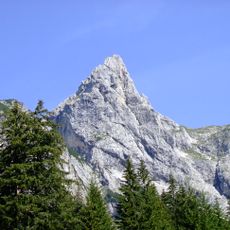
Kaiserschild is a broad, 2,085 m summit at the northern edge of the Eisenerzer Alps in Styria, forming a double peak with the slightly higher Hochkogel (2,105 m). The Kaiserschild group, which also includes the Kaiserwart (2,033 m), stands apart from the rest of the range beyond the Radmerhals (1,305 m). Both summits can be climbed from the west and from the northeast via the Sandgrube.
The mountain attracted climbers during the early phases of Alpine exploration and became a recognized destination for the region. Its position in the Ennstal valley made it a natural focal point for local mountain activity.
Local mountain guides pass down traditional climbing knowledge and Alpine safety practices to new generations of outdoor enthusiasts in the Leoben district.
Both summits are reached from the west, from the Radmertal, or from the northeast via the Sandgrube, starting from Eisenerz and the Ramsau valley. Since 2006 a very difficult via ferrata (D/E) with a rope bridge also leads to the Kaiserschild. The approach over the Radmerhals (1305 m) separates the group from the rest of the Eisenerzer Alps.
The Kaiserschild takes its name from Emperor Maximilian I, who imposed an imperial hunting ban over the whole group and forbade not only hunting but even entering it; the ban was proclaimed with the imperial coat of arms and an inscription. Maximilian mentions the area in his writings Theuerdank and Weisskunig.
The community of curious travelers
AroundUs brings together thousands of curated places, local tips, and hidden gems, enriched daily by 93,691 contributors worldwide.