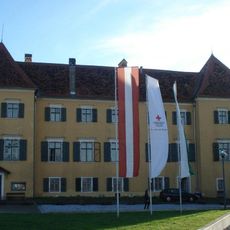
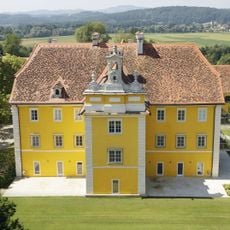
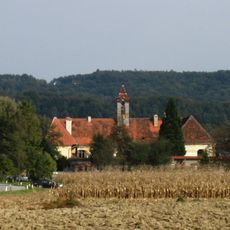
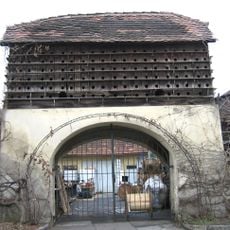
Štýrsko jižní, Wine region in Styria, Austria
The Southern Styria wine region extends from Leibnitz toward the Slovenian border, characterized by steep hillsides covered with vines. Shell limestone and clay soils create the foundation for grape cultivation across these sloped terrains.
After World War I, the lower part of Styria separated from Austria and became part of Yugoslavia, fundamentally altering the region's political boundaries. This territorial shift shaped how the winemaking landscape developed in the decades that followed.
The region's wine culture is rooted in how producers manage steep terrain and classify their wines by origin and vineyard site. Visitors experience this tradition through rows of vines that shape the landscape and through local estates that welcome tasting and direct sales.
All grapes are harvested by hand due to slopes reaching 45 degrees in many vineyards, especially near Kitzeck. Wear sturdy shoes when exploring the steep paths between the vines to move safely through the terrain.
Sauvignon Blanc accounts for about 39 percent of grape production and thrives on south-facing slopes throughout the region. The sharp temperature swings between day and night on these exposures preserve the natural acidity that defines the wines.
The community of curious travelers
AroundUs brings together thousands of curated places, local tips, and hidden gems, enriched daily by 90,903 contributors worldwide.