Burg Blasenstein, Castle in Austria
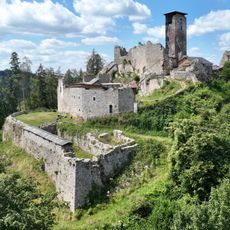
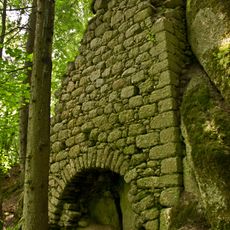
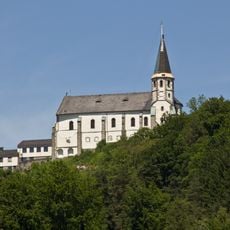
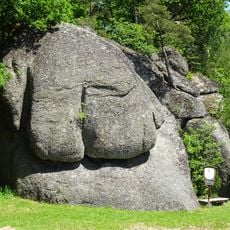
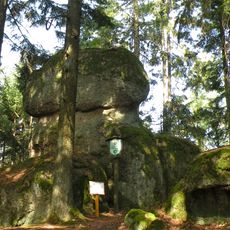
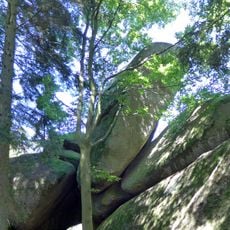
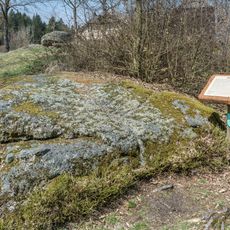
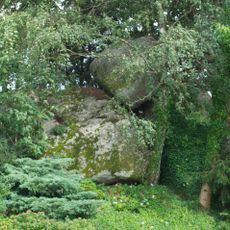
Burg Blasenstein is a castle ruin in Sankt Thomas am Blasenstein, Austria, consisting of two separate fortress remains sitting on a narrow ridge about 200 meters long. The higher section, Blasenstein I, stands at 733 meters elevation, while Blasenstein II sits at 716 meters, and both are built from granite with rough, rounded surfaces typical of the region.
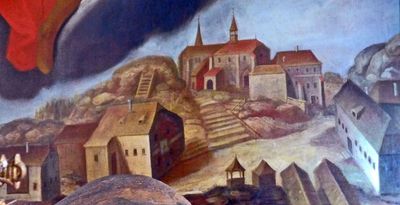
A 13th-century Passau document names two castles at Blasenstein held by Otto and Walchun of Machland, said to have existed in 1150; whether this was a double foundation or an enlargement is unknown. Blasenstein I served the lords, the smaller Blasenstein II their ministerials. After both high castles decayed, a new administrative building, Schloss Blasenstein, arose near today's church around 1400.
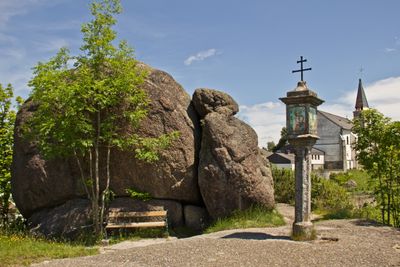
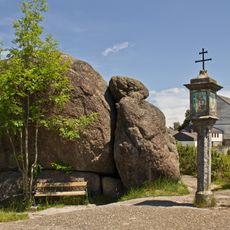
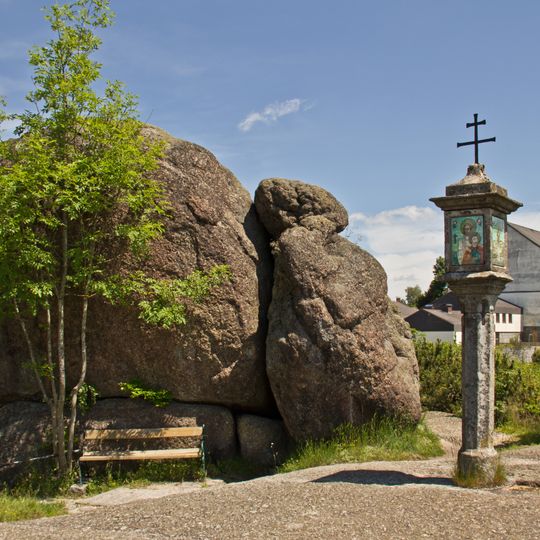
The name Blasenstein is popularly traced to "Bloßenstein", meaning bare, vegetation-free rock. The two ruins are known locally as Kirchenburgstall (church castle site) and Bäckerburgstall (baker's castle site) after the nearby church and the Bäckhaus at Markt Nr. 10, recorded as an Obertafern in 1589. The lower site is also called Kreuz-Burgstall after the plague column standing there.
The ruins are accessible via walking trails through the forest that are easy to follow, though the climb is steep but manageable with proper footwear. Plan to spend time at both sections and bring water, as the hike offers views of the surrounding valleys and ridges from the hilltop locations.
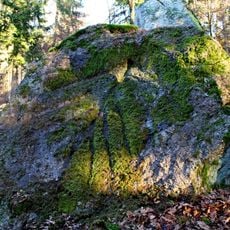
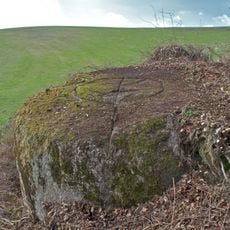
At Blasenstein II there is a large carved stone called Buckelwehlucka with a hole in its center, to which visitors have attributed healing powers for generations. Although the stone's exact origin and purpose remain unclear, it continues to draw people who stand beside it and wonder about its past.
The community of curious travelers
AroundUs brings together thousands of curated places, local tips, and hidden gems, enriched daily by 94,061 contributors worldwide.