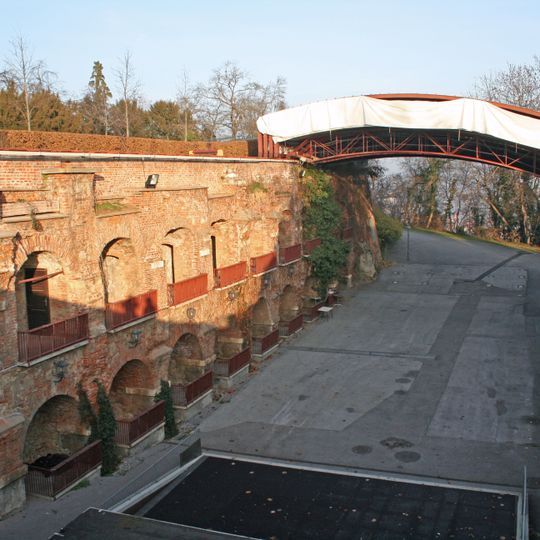
Kasemattenbühne, Open-air theatre in Graz, Austria.
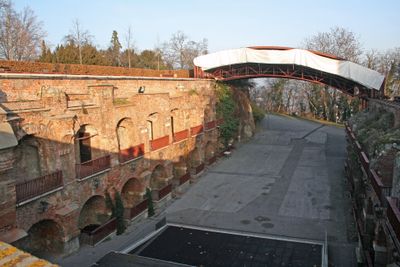
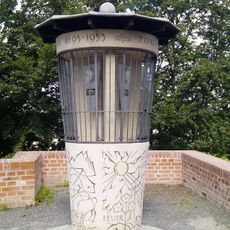
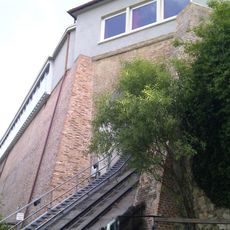
The Kasemattenbühne is an open-air theatre in Graz featuring a mobile roof and glass enclosure that allows performances regardless of weather. The sloped floor creates natural stadium seating and accommodates up to 1,700 standing spectators or 999 seated guests.
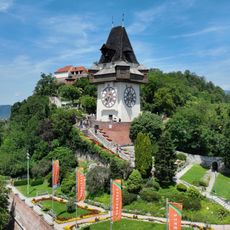
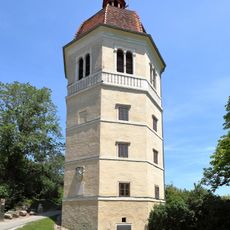
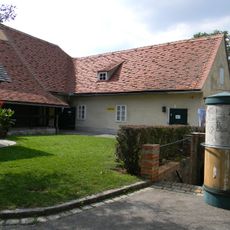
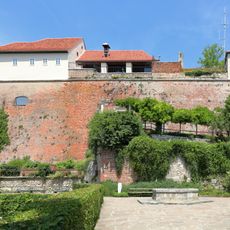
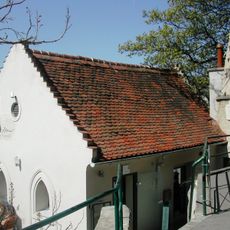
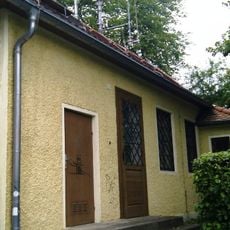
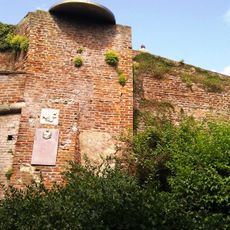
The stage occupies the vaulted cellar of the castle captain's house, built in 1594 after the 1577 demolition of the Romanesque palas. French miners razed the castle in 1809 under the Peace of Schönbrunn, leaving only the clock and bell towers intact. The first Schloßbergspiele performance took place here on 5 July 1930, and the converted theatre opened on 19 June 1937 with Beethoven's Fidelio.
The name comes from the vaulted cellar of the former Schlosshauptmannhaus, built in 1594 and later called a casemate. Since 1930 the site has hosted theatre: the first Schloßbergspiele opened on 5 July 1930 with Heinrich Spiller's Herrn Walters Werbefahrt, honouring Walther von der Vogelweide. A 1939 memorial plaque by Hans Mauracher recalls that premiere.
The stage lies in the casemate vault of the former Schlosshauptmannhaus on the Graz Schloßberg. Since 2009 the stage has been at the eastern narrow side of the quadrangle, with adapted access routes and paths. The mobile roof, built in 1989, has a three-part sliding construction with a rain-absorbing layer. The venue can be rented for private events.
The mobile roof added in 1989 is a three-part sliding structure with an extra rain-absorbing layer, fitted because falling drops on the roof skin were drowning out performances below. The stage itself was moved to the eastern narrow side of the courtyard in 2009, when the playing area was enlarged and the access routes reworked.
The community of curious travelers
AroundUs brings together thousands of curated places, local tips, and hidden gems, enriched daily by 93,811 contributors worldwide.