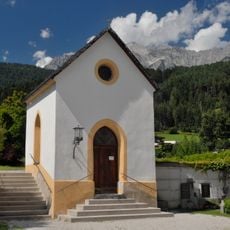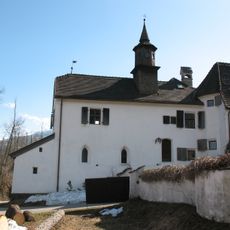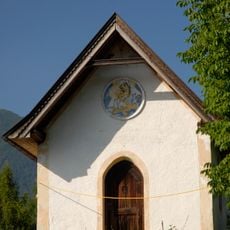
Maria Larch, Pilgrimage chapel in Terfens, Austria
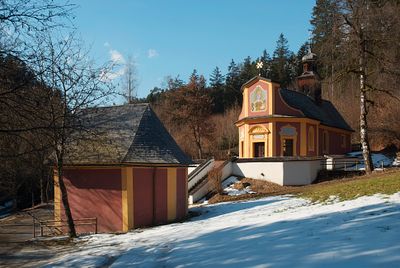
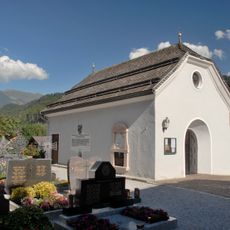
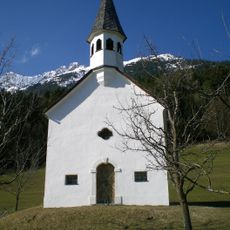
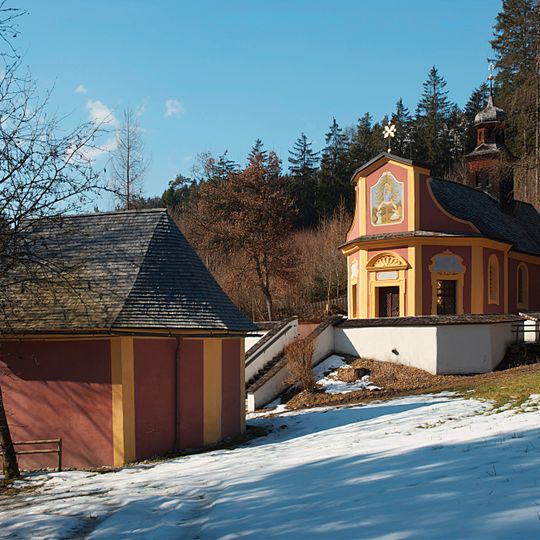
Maria Larch is a pilgrimage chapel located at 591 meters elevation in Terfens, nestled between forests and meadows in the Tyrolean landscape. The small building sits in a quiet setting surrounded by natural countryside.
In 1665 the farmer Magdalena Bognerin, or according to other accounts the benefice priest Weiss, attached a statue of the Madonna and Child to a larch trunk for passers-by to venerate. A wooden chapel followed in 1678, and the present octagonal domed Baroque building was erected in 1698/1699. Two healings in 1727, when the mute Maria Jenewein regained her speech and a seriously ill child was cured, boosted the pilgrimage, and Prince-Bishop Ignaz Count Künigl then permitted Mass in the chapel. Joseph II abolished the pilgrimage and the hermitage in 1785; the grace image was taken to the Terfens parish church but returned in 1796.
The pilgrimage began after two healings in 1727: Maria Jenewein regained her speech and a seriously ill child was cured, prompting the bishop to permit Mass in the chapel. In 1785 Joseph II banned the pilgrimage and the hermitage, and the image was moved to the parish church of Terfens; in 1796 the population brought it back. In 1868 the 150th anniversary of the healing was marked with processions.
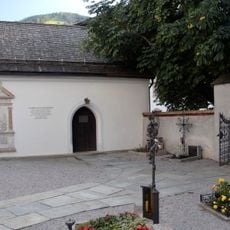
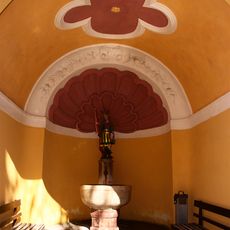
The chapel stands in the forest north of Terfens, above the village. The baroque interior is entered through a portal with a shell arch and curved gable. In front of the chapel is an open square fountain house with a marble basin from the 18th century.
In front of the chapel stands a square open shrine with a semicircular end and a shell arch in stucco from around 1720; its marble basin dates from the 18th century. It is a fountain house, not a healing spring.
The community of curious travelers
AroundUs brings together thousands of curated places, local tips, and hidden gems, enriched daily by 94,366 contributors worldwide.