Béguinage of Mechelen, Medieval religious complex in Mechelen, Belgium
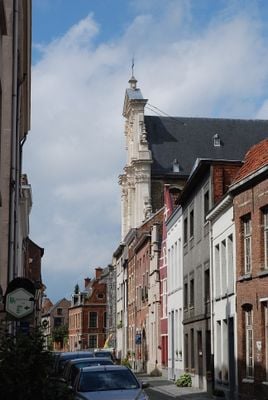
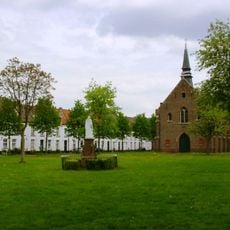
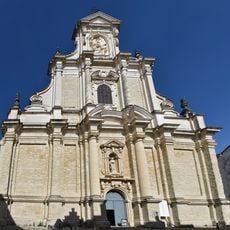
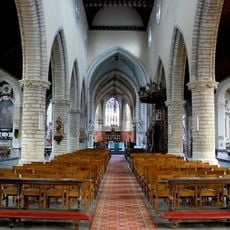
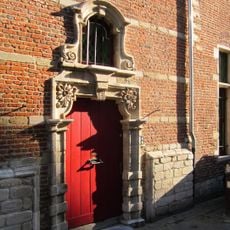
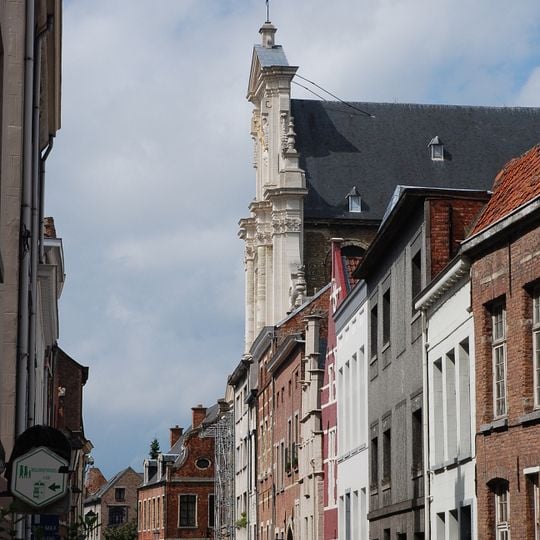
The Béguinage of Mechelen is a walled complex of small beguine houses, convents and gardens behind little gates. Its Baroque church, designed by Jesuit architects Pieter Huyssens and Jacob Franquart, was built from 1629 and consecrated in 1647. The pale stone facade rises above a steep slate roof, with a stepped gable, volutes and an octagonal lantern topped by a thin spire.
The site was established in the 13th century as a refuge for unmarried women seeking religious life without formal monastic vows. Over subsequent centuries, the community expanded and gradually evolved into a stable urban settlement with its own economic and social systems.
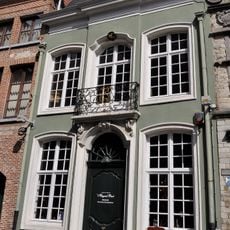
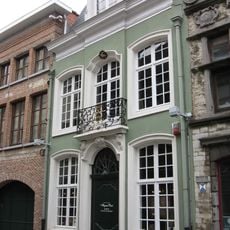
The beguinage reflects how women created spaces of their own, where they could live independently while following spiritual practices and supporting themselves through work. Today, the quiet layout and well-maintained houses tell the story of this distinct way of living that was neither fully monastic nor entirely secular.
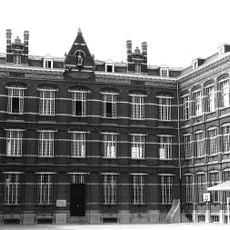
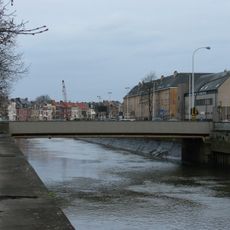
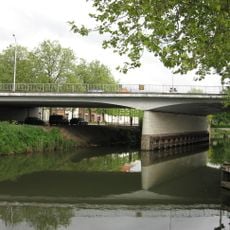
The beguinage lies between the Antwerpse Poort and the Winketbrug, enclosed by a wall with two entrance gates. The church, finished in 1647, stands at the heart of the lanes; its facade was restored in 2005. Most houses are now private or owned by the CPAS, so walkways between them are residential and should be respected.
The last two beguines of Mechelen died in the late 1980s, ending a female community that had existed since the 13th century. Since 1998 the beguinage has been listed as a UNESCO World Heritage Site together with twelve other Flemish beguinages, alongside the Grand-Place of Brussels and the canal lifts of the Centre.
The community of curious travelers
AroundUs brings together thousands of curated places, local tips, and hidden gems, enriched daily by 93,604 contributors worldwide.