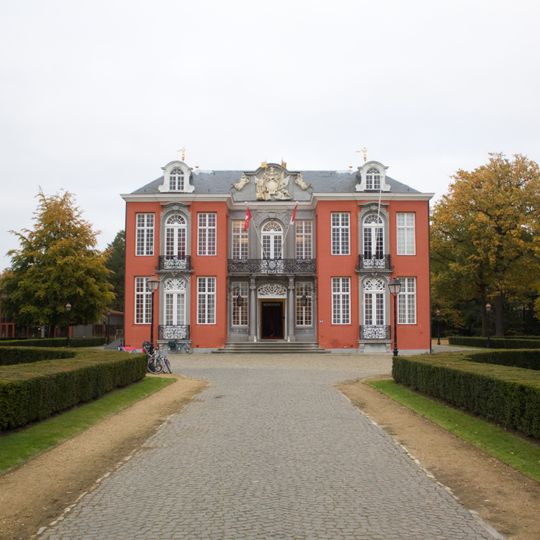
Hoboken, district of Antwerp in Flanders, Belgium
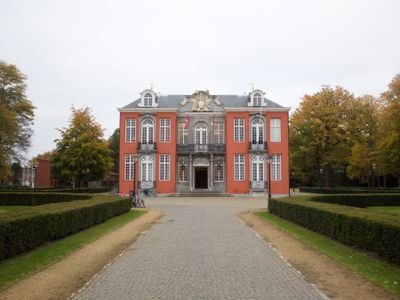
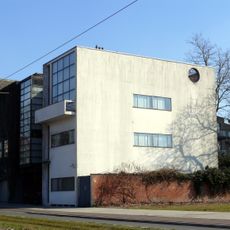
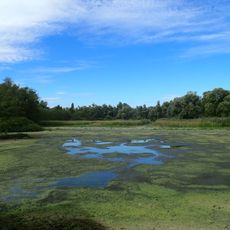
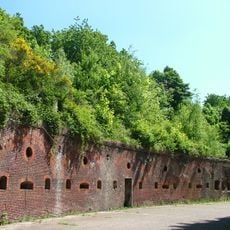
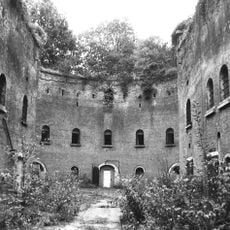
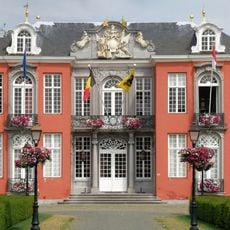
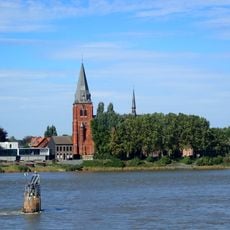
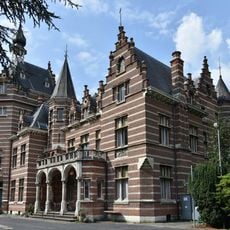
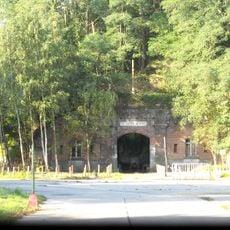
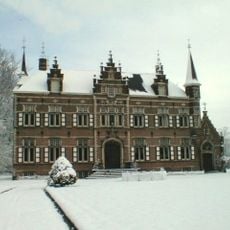
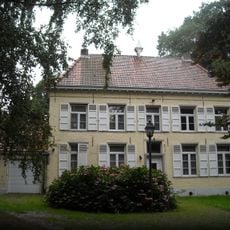
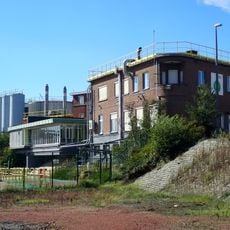
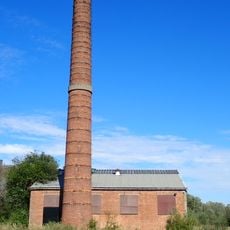
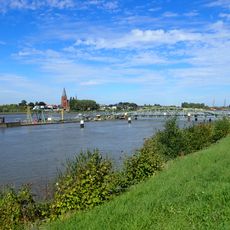
Hoboken is a district of Antwerp along the Scheldt River with a mix of old and new buildings reflecting different periods of growth. The area contains residential neighborhoods, former industrial sites, green spaces like Sorghvliedt Park, and preserved historical buildings such as the Meerlenhof estate from the 16th century.
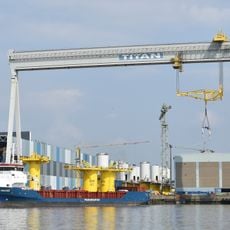
The area was settled by at least 1135 and started as a small village with farming roots before becoming an industrial center in the 1800s, especially after the Cockerill shipyard was built. It functioned as an independent municipality until 1983 when it merged with Antwerp as part of city expansion.
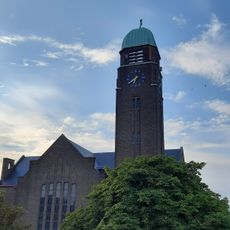
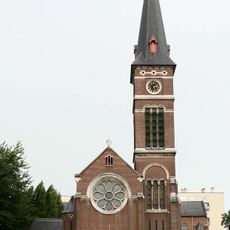
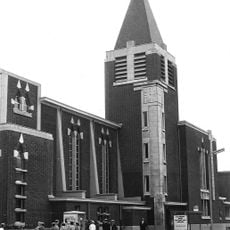
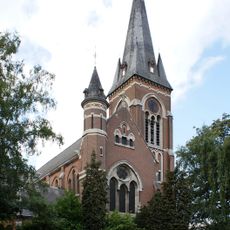
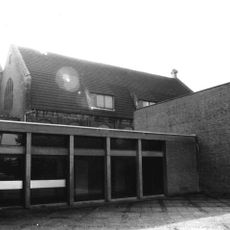
Sint-Jozefkerk was built in the early 1900s for workers and shows how religion and work life were connected in the district. The church has a wooden ceiling designed to look like a ship's hull, reflecting the area's maritime history.
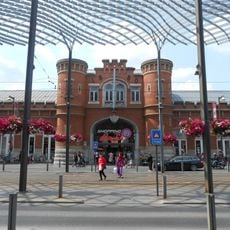
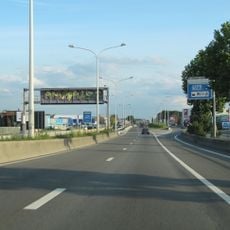
Hoboken is well connected by trams, buses, and ferries, making it easy to reach Antwerp's city center and surrounding areas. The district offers various lodging options from guesthouses to apartments and serves as a convenient base for exploring the larger city.
The name Hoboken comes from the old Dutch word 'Hoge Beuken,' meaning 'high beeches,' describing the tall trees that once filled the area. A city with the same name in New Jersey was partly founded by early Flemish settlers from this region who emigrated to America in the 1600s.
The community of curious travelers
AroundUs brings together thousands of curated places, local tips, and hidden gems, enriched daily by 92,525 contributors worldwide.