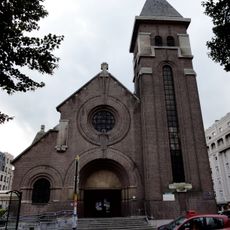
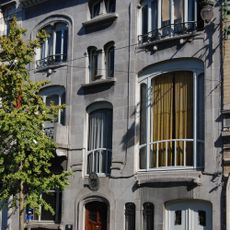
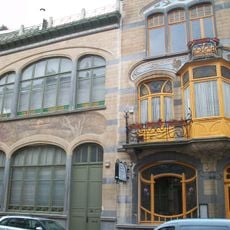
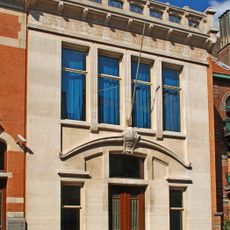
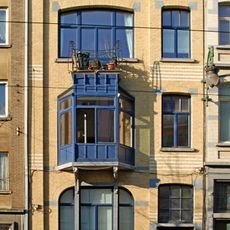
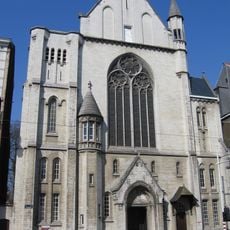
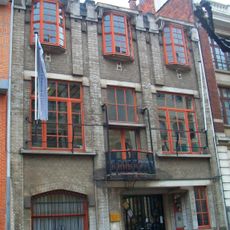
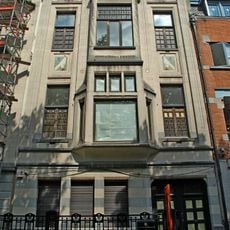
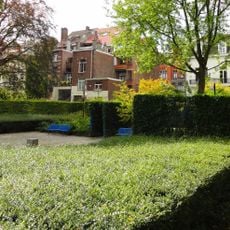
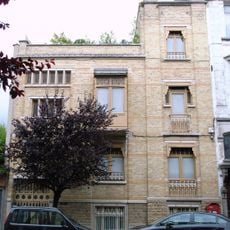
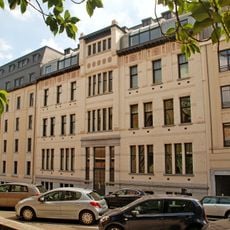
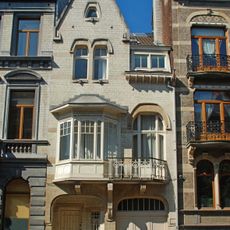
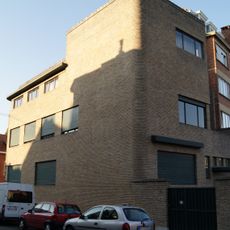
Major Town Houses of the Architect Victor Horta, Art Nouveau town houses in Brussels, Belgium
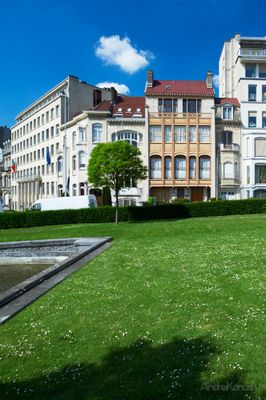
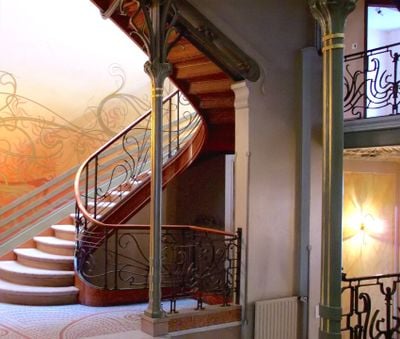
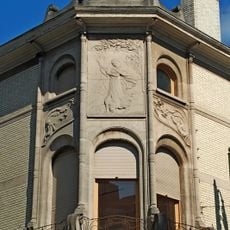
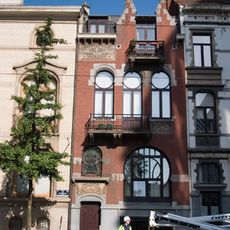
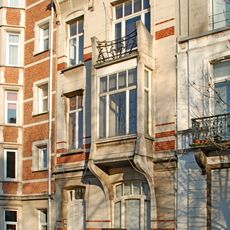
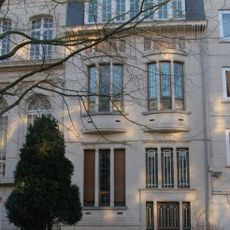
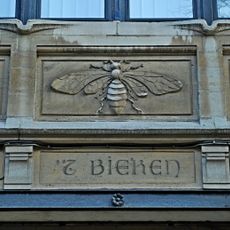
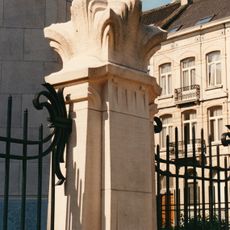
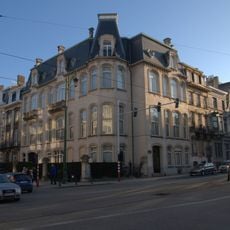
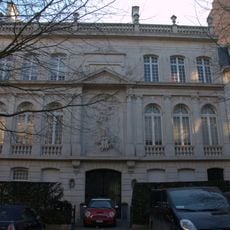
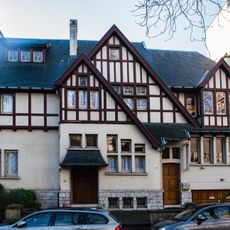
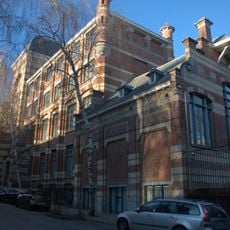
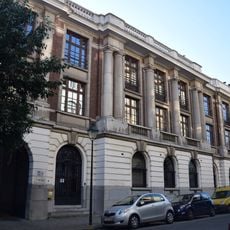
The Major Town Houses of the Architect Victor Horta are four urban dwellings in Brussels recognized as a UNESCO World Heritage Site and considered key works of the Art Nouveau movement. They are spread across different neighborhoods of the city and feature curved ironwork, large windows, and ornamental stonework inside and out.
Victor Horta designed these four houses between 1893 and 1901 for wealthy Brussels clients, establishing a new way of thinking about urban living. His approach combined industrial materials like steel and glass with careful craft, setting a new direction for architecture at the time.
The houses show how wealthy Brussels families wanted their homes to feel at the turn of the century: open, filled with light, and shaped by craft in every corner. Even small details like door handles and stair railings were designed to fit seamlessly into the whole.
Two of the four houses are open to visitors: the Horta Museum on rue Américaine and Hotel Solvay. The other two remain private, but their facades can still be seen from the street.
Horta designed not just the buildings themselves but also the furniture, stained glass, and ceramic tiles made for each specific room. These pieces fit their surroundings so closely that they never feel like separate decorative objects placed inside a finished space.
The community of curious travelers
AroundUs brings together thousands of curated places, local tips, and hidden gems, enriched daily by 92,820 contributors worldwide.