Zurenborg, Art Nouveau quarter in Antwerp, Belgium
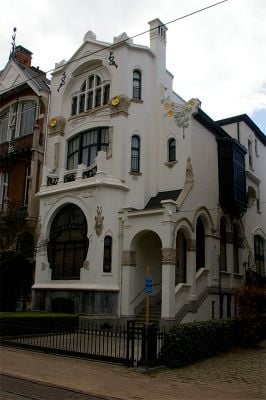
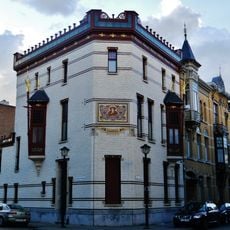
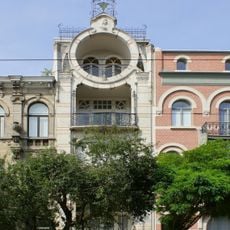
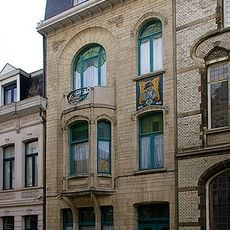
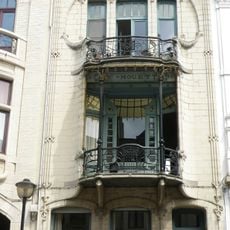
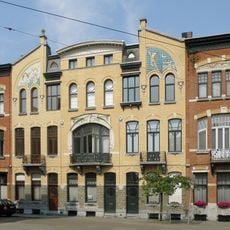
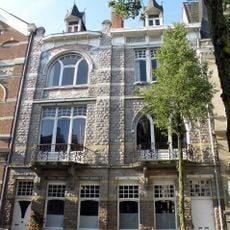
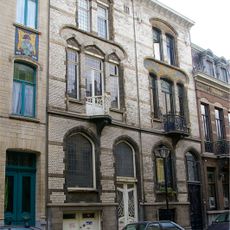
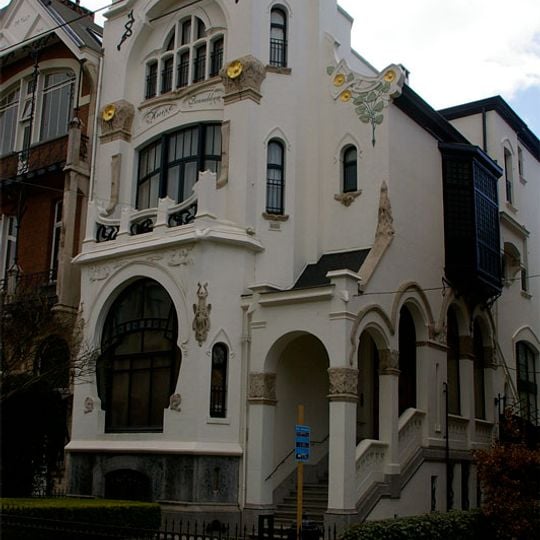
Zurenborg is a residential quarter in Antwerp featuring houses decorated between 1894 and 1906 with intricate stone carvings, ornate ironwork, stained glass windows, and decorative tiles. Over 170 of these buildings hold protected status and display varied architectural designs.
Zurenborg grew on land of John Cogels and Baroness Josephina Osy de Wichem, named after the Zurenborg farm on the Berchem border. The Borgerhout station, opened in 1873, spurred development, and the Société Anonyme pour la Construction de Maisons Bourgeoises built a planned residential quarter. Cogels-Osylei was developed from 1881 to 1914; after postwar decline, demolition plans in the 1960s were abandoned and the area was protected as an urban landscape in 1984.
Many houses in Zurenborg carry names and facade decorations tied to themes. On Waterloostraat, no. 11, 'The Battle of Waterloo', shows portraits of Wellington and Napoleon, with bayonets, flags, smoking cannons and drums. The five adjoining houses called De Tijd (Time) on the same street are each named for a part of the day: Ochtend, Dag, Avond and Nacht.
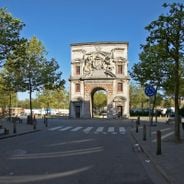
The quarter straddles the Antwerp–Berchem boundary, with Cogels-Osylei and the surrounding streets in Berchem and Dageraadplaats in Antwerp. The Draakplaats rail bridge is lit in rainbow colours each evening. The area is compact and best covered on foot; the Cogels-Osylei houses have front gardens.
Three streets here bear names honoring the South African independence movement: Pretoriastraat, Transvaalstraat, and Krugerstraat. This naming choice reflects the international attention the Boer Wars received in Europe around 1900.
The community of curious travelers
AroundUs brings together thousands of curated places, local tips, and hidden gems, enriched daily by 93,893 contributors worldwide.