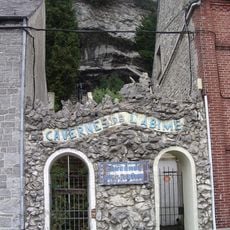
Neptune Caves, Underground cave system in Couvin, Belgium
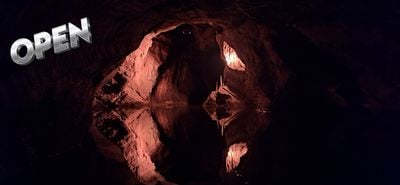
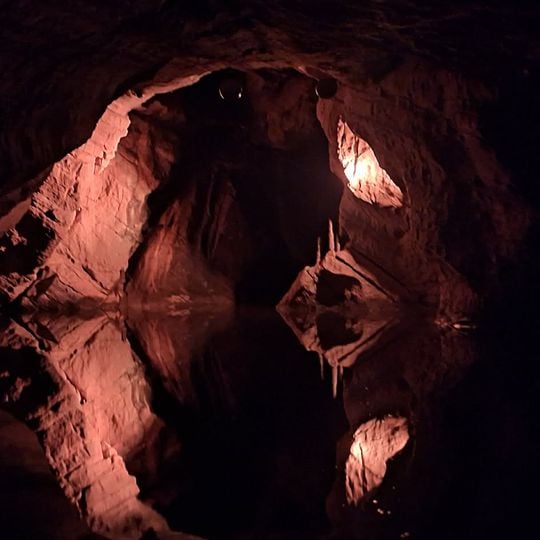
Neptune Caves form a limestone cave network in Belgium's Couvin region carved by the Eau Noire river. The system features multiple underground passages and natural stone formations that visitors explore on guided walking tours and boat rides through the waterways.
Discovered at the end of the 19th century, the caves have been open to tourists since 1930. Until about 1972 they were known as grottes de l'Adugeoir, a local term for a sinkhole where a stream disappears. The tourist operation is run by the municipality of Couvin, which owns the cavity.
Locals long called the cave Grotte de l'Adugeoir, a term for a sinkhole where the Eau Noire disappears; the name Neptune Caves only appeared around 1972. The commune of Couvin owns and runs the site, and bats such as the greater horseshoe hibernate in its passages.
Only about the first 300 metres of the cave can be visited, on foot and by boat; the rest of the 1,627-metre system, which drops 25 metres, stays closed. The lower and upper levels are linked by an artificial gallery of roughly 200 metres. The cave lies on the left bank of the Eau Noire near Petigny, at the foot of the hill called Les Rocailles.
The cave was long called Grotte de l'Adugeoir, a local term for a sinkhole, before the name Neptune Caves appeared around 1972. The underground river resurfaces about three kilometres away at the Pont d'Avignon cave in Nismes, roughly 48 hours after entering the cave.
The community of curious travelers
AroundUs brings together thousands of curated places, local tips, and hidden gems, enriched daily by 94,851 contributors worldwide.