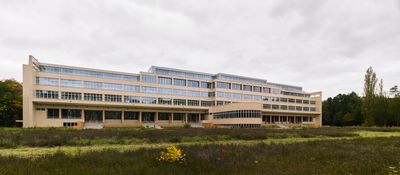
Sanatorium Joseph Lemaire, Modernist sanatorium in Overijse, Belgium.
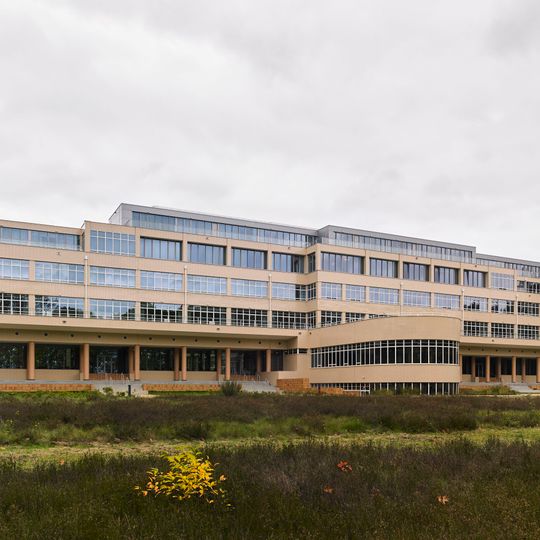
Sanatorium Joseph Lemaire is a modernist medical facility in Overijse characterized by perpendicular wings, extensive glazing, and concrete structures designed to house patient rooms and treatment areas. The building integrates open terraces as integral parts of its functional layout for therapeutic purposes.
The facility was built between 1936 and 1937 by Belgian architect Maxime Brunfaut to address the tuberculosis crisis affecting Europe at that time. It operated as a medical institution for decades after World War II before closure in 1987.
The building reflects the medical philosophy of the 1930s, which viewed fresh air, sunlight, and outdoor space as essential to healing. Its design priorities reveal how society once understood recovery, placing these natural elements at the center of patient care.
The site has been vacant since 1987 and shows signs of deterioration, though it received protected monument status in 1993. Visitors should know that the property is not open for public access and the structure remains fragile.
Each patient room featured direct access to south-facing terraces specifically designed for heliotherapy, a sun exposure treatment central to the facility's medical philosophy. This therapeutic approach shaped the entire architectural design of the complex.
The community of curious travelers
AroundUs brings together thousands of curated places, local tips, and hidden gems, enriched daily by 60,000 contributors worldwide.