Fort de Suarlée, Military fortification in Namur, Belgium
Fort de Suarlée is a military fortification in Namur with a triangular design and sloped defensive works. A ditch system surrounds the structure, creating an integrated defense layout built in the late 1800s.
Built between 1888 and 1892 to General Henri Alexis Brialmont's plans, Suarlée was one of nine forts ringing Namur, made of unreinforced concrete. Bombarded from 23 August 1914, it held out until the 25th, when 420 mm mortars silenced its turrets; chaplain Father Agnello carried a chalice out to arrange the surrender. It was the last Namur fort to fall, then rearmed in the 1930s and captured again in May 1940.
The fort was the training school of the Namur Fortress Regiment, which is why it is one of the largest narrow-curtain works of the fortified position. Its central massif carried an eclipsing lighthouse that sent Morse signals to the forts of Émines and Malonne. The priest Agnello left the fort under fire carrying a chalice to negotiate the surrender on 25 August 1914.
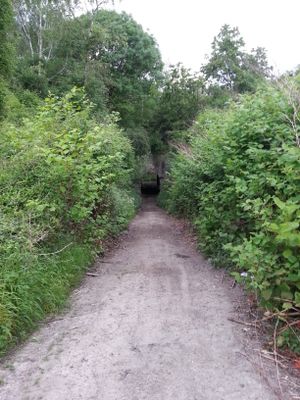
The fort stands on private land, formerly leased from the state for hunting, and is not open to the public; it is unsecured but has been stripped of all salvageable materials. The air gallery is flooded, and nothing was repaired or rehabilitated after World War II. It lies about 5 km northwest of Namur's centre, at 185 m on a plateau between the Brussels and Gembloux roads.
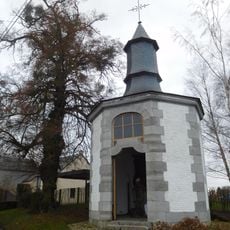
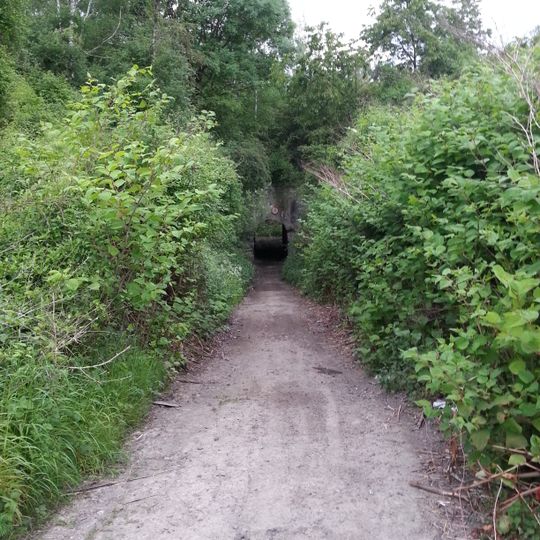
The fort's ventilation was supplied by an air inlet tower standing 900 metres outside its perimeter, which also served as an observation post. In May 1940 this tower was attacked by infantry on the 16th and 17th. The air gallery inside the fort is now flooded.
The community of curious travelers
AroundUs brings together thousands of curated places, local tips, and hidden gems, enriched daily by 94,545 contributors worldwide.