Zandvliet Lock, Sea lock in the port of Antwerp, Belgium
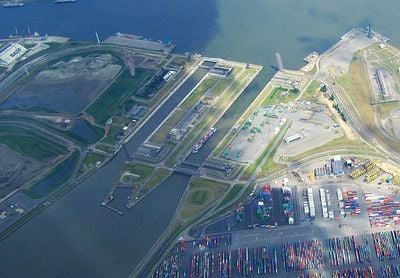
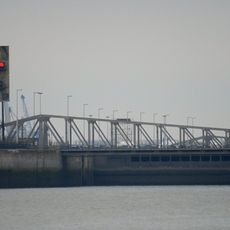
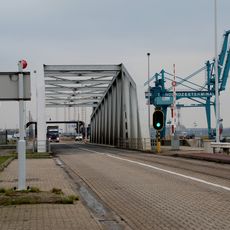
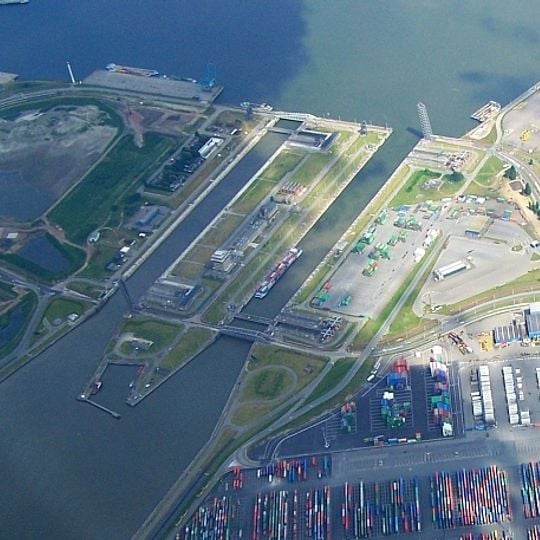
The Zandvlietsluis is a sea lock at the northern end of Antwerp's port, 500 metres long and 57 metres wide, with a sill depth of 13.5 metres. Its chamber is enclosed by vertical concrete walls, with two bridges spanning it: the Zandvlietbrug over the eastern head and the Frederik Hendrikbrug over the western head. The lock lies between a green embankment and a paved container terminal.
The Belgian government approved a ten-year port expansion in 1956, and the lock opened on 3 July 1967 after a decade of construction. Building it required excavating 3,000,000 m³ of soil and pouring 700,000 m³ of concrete for the chamber. It was the world's largest sea lock until the adjacent Berendrechtsluis opened in 1989.
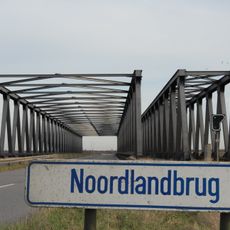
The lock is named after the village of Zandvliet, now part of Antwerp's Berendrecht-Zandvliet-Lillo district. Inland vessels call the lock on VHF channel 79, while seagoing ships use channels 12 and 6 and almost always carry a river pilot. The two bridges over the lock are the Zandvlietbrug and the Frederik Hendrikbrug.
The lock lies about 16 km north of Antwerp's centre, in the port area of Berendrecht-Zandvliet-Lillo, between the Scheldt and the Kanaaldok. It is working port infrastructure, not a visitor site, so there are no viewing points; the lock can only be seen from a distance. Inland craft call the lock on VHF channel 79, seagoing ships use channels 12 and 6.
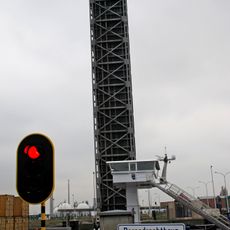
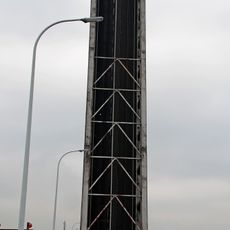
The lock's four steel sliding gates each weigh 1,600 tonnes and stand 24.5 metres high, 58.6 metres long and 9.9 metres wide. Filling or emptying the 500-metre chamber takes 15 minutes when the tidal difference reaches 5 metres. The Zandvlietbrug at the eastern head, finished in 1966, is a single-leaf bascule bridge with a low-set counterweight and a railway track set into one of its two lanes.
The community of curious travelers
AroundUs brings together thousands of curated places, local tips, and hidden gems, enriched daily by 93,477 contributors worldwide.