Roman Archaeological Museum Oudenburg, Archaeological museum in Oudenburg, West Flanders, Belgium
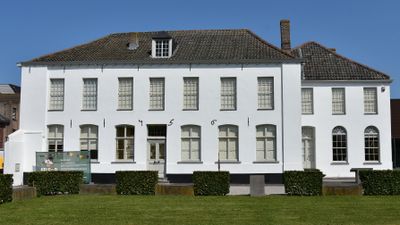
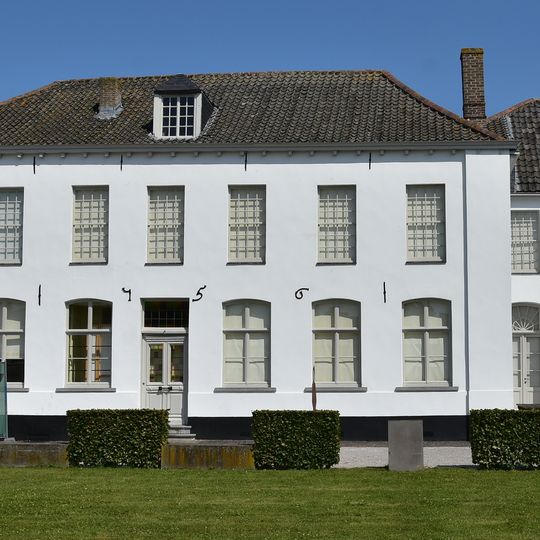
The Roman Archaeological Museum Oudenburg (RAM) occupies the restored abbot's building of the former St. Peter's Abbey, a two-storey structure with a white plastered facade, seven upper windows, and a steep grey-tiled roof with a dormer. Inside, the permanent exhibition displays finds from the Oudenburg castellum and its cemeteries: coins, fibulae, belt buckles, weapons, glass, and pottery. The ground floor also serves as the regional tourist information desk.
Around 200 AD the Romans built a wood-and-earth camp at Oudenburg, possibly in response to Germanic raids. A first stone fort followed around 260/270, probably under Postumus, and the camp later joined the Litus Saxonicum, the coastal defence system along the North Sea. The museum opened in 2009 in the restored abbot's building of the former St Peter's Abbey; after two years of renovation it reopened in 2024.
The collection includes three-button cloak pins from the military cemetery and the skeleton of a Roman soldier buried with his dog. Videos and dioramas complete the exhibition. The 1870 Roksem coin hoard, linked to Germanic raids between 250 and 275, is also displayed.
The museum occupies the restored abbot's building of the former St Peter's Abbey, with the visitor centre and tourist information desk on the ground floor. It reopened in 2024 after two years of renovation, so the displays differ from the pre-2024 layout. Begin at the ground-floor desk for orientation before going upstairs to the collection.
The museum's showpiece is a Roman coin hoard found in 1870 in Roksem, a district of Oudenburg: 49 coins, 38 bronze sesterces and 11 silver denarii, kept in a broken vessel. The series runs from Vespasian (69–79) to Balbinus (238) and is linked to Germanic raids between 250 and 275.
The community of curious travelers
AroundUs brings together thousands of curated places, local tips, and hidden gems, enriched daily by 94,611 contributors worldwide.