Meisjeshuis, Former orphanage in Albert Grisarstraat, Antwerp, Belgium
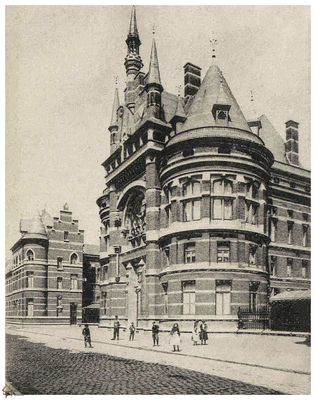
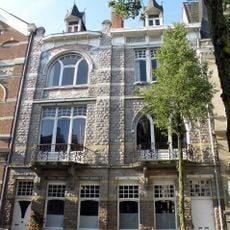
Meisjeshuis is a protected monument with three wings built from brick and natural stone in eclectic style. The structure was later converted into living spaces, now housing 47 loft apartments and 16 newer flats under the name Residentie Kasteelpark.
The orphanage replaced the dilapidated Maagdenhuis; in 1875 the city and the civil charity commission judged that building beyond repair and held a design competition, won in 1876 by architect Ernest Dieltiens. In September 1942, 39 Jewish orphans lived here. On 21 September the Sipo-SD arrested the 25 older than five, deported on 26 September and gassed at Auschwitz-Birkenau on 28 September. Ten of the 14 youngest were hospitalized at Sint-Erasmus in Borgerhout and went into hiding; 13 of the 39 survived.
The name Meisjeshuis means "girls' house", recalling its role as an orphanage for girls. The building later became known as the Adolf Stappaertsgasthuis and the Algemeen Kinderziekenhuis Good-Engels. Its right wing at number 23 housed the Kinderkribbe Good Engels, a separate department for children under five.
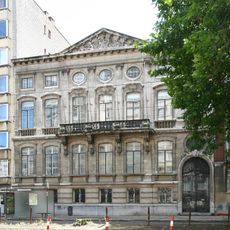
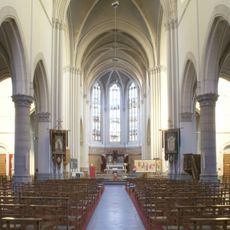
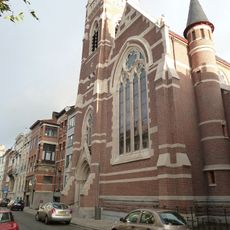
The site is now a private residential complex, so interior access is not available to the public. Visitors can view the impressive exterior and architectural details from the street.
Of the 14 Jewish children under five in the Kinderkribbe Good Engels wing, 10 were taken to Sint-Erasmus hospital in Borgerhout between September 1942 and January 1943 and went into hiding there. In the second raid of 30 October 1942, 4 were arrested at the home and 3 at the hospital; a rescue operation at the Dossin barracks, involving Yvonne Nèvejean and older Jewish orphans from Wezembeek, saved them from deportation. 13 of the 14 survived the war.
The community of curious travelers
AroundUs brings together thousands of curated places, local tips, and hidden gems, enriched daily by 94,191 contributors worldwide.