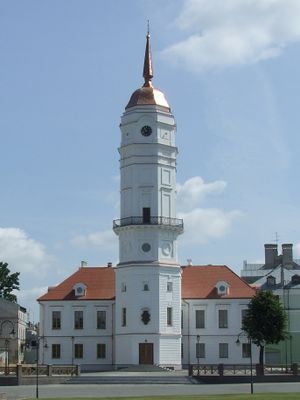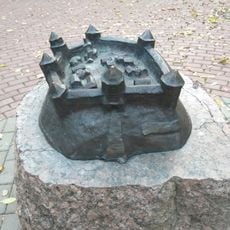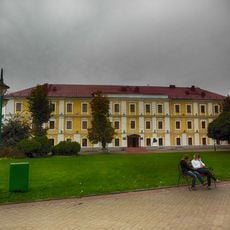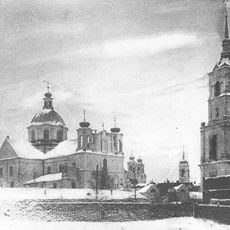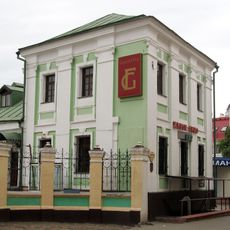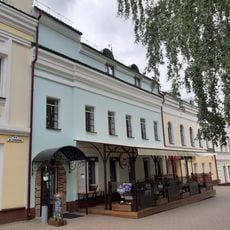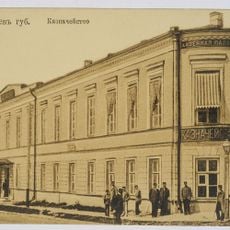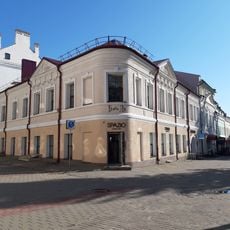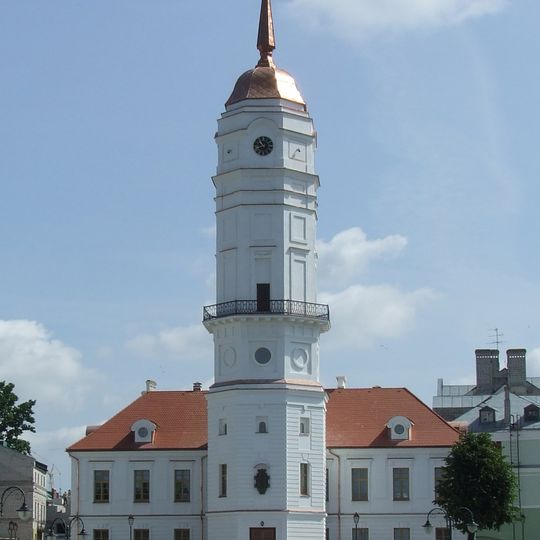
City Hall in Mahilioŭ, Neoclassical town hall in Mahilioŭ, Belarus.
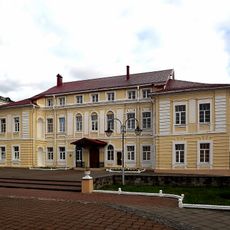
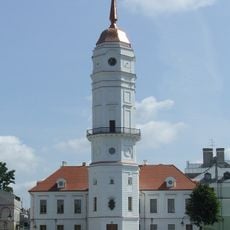
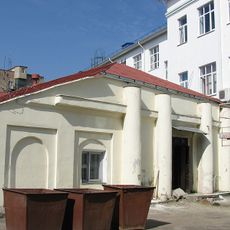
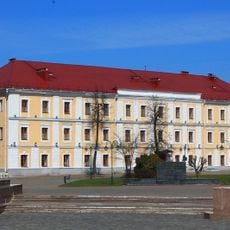
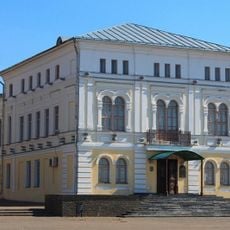
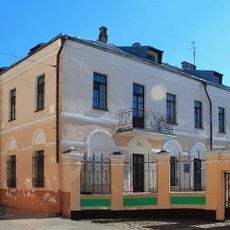
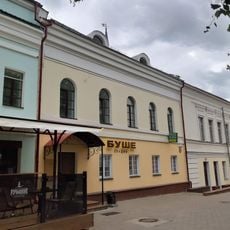
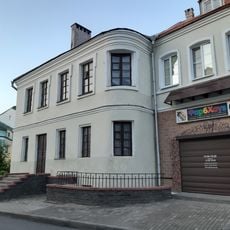
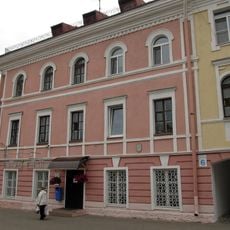
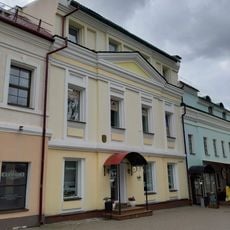
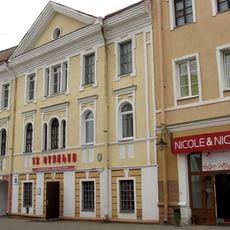
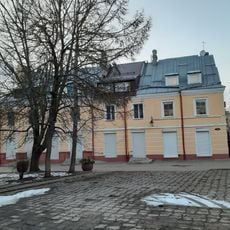
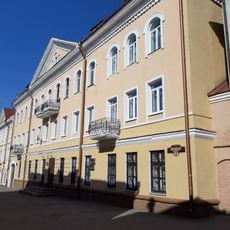
City Hall in Mahilioŭ is a neoclassical structure featuring symmetrical facades, prominent columns, and a central tower in the town center. The building displays the characteristic design principles of this architectural period with balanced proportions and clean exterior lines.
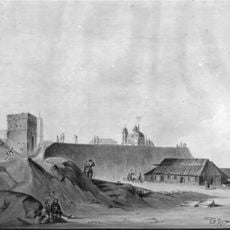
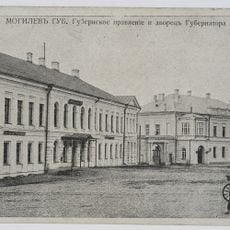
A wooden town hall was begun in 1578, a year after Mahilioŭ received Magdeburg rights; it burned repeatedly and moved site. On 4 September 1679 townspeople under master Feska began a rectangular stone hall (28 by 10.5 m) on the market square, with the main block finished by 1681. Master Kruzbierh of Bychaŭ raised a tower in 1682–1686 that collapsed; in June 1692 master Ihnat's team built the surviving-type octagonal five-tier tower, 46 m with its spire. After a 1708 fire it was rebuilt, and in 1733 rebuilt again with a metal roof and classical facades.
The town hall's tower carries a large clock, shown on an early 20th-century archival photograph to have existed in the second half of the 17th century. Excavations in 1979 under A. Trusau uncovered glazed cups bearing Mahilioŭ's old coat of arms, plus tiles with plant and geometric patterns.
Access is via Leninskaya Street in the city center, where pedestrians can easily reach it on foot. Several parking options are available nearby and the area is straightforward to explore by walking.
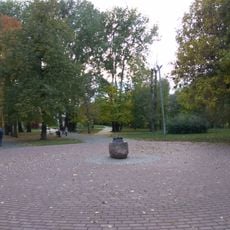
Archaeologists led by A. Trusau dug at the site in September 1979, uncovering foundations of thin 5–5.6 cm bricks and glazed tiles bearing Mahilioŭ's old coat of arms. The tower's first version, built by the Kruzberg masters of Bychaŭ in 1682–1686, rose about 26 m and collapsed; a new 8-sided, 5-tier tower by master Ihnat followed in 1692.
The community of curious travelers
AroundUs brings together thousands of curated places, local tips, and hidden gems, enriched daily by 93,842 contributors worldwide.