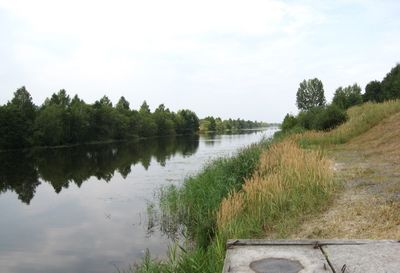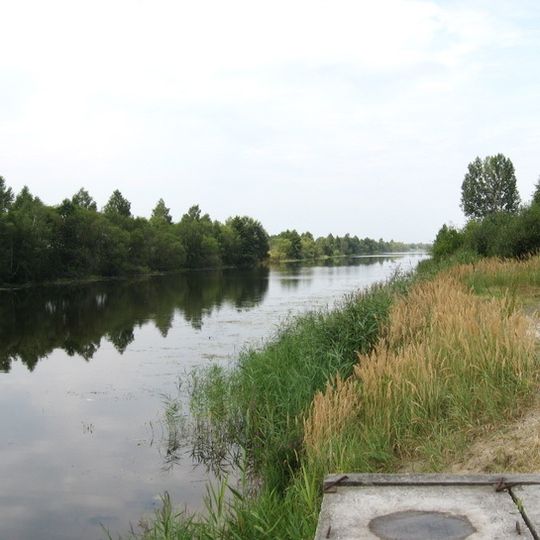
Dnieper–Bug Canal, Transportation canal in Brest Region, Belarus.
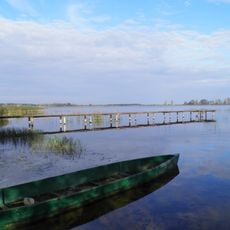
The Dnieper-Bug Canal is an artificial waterway that stretches about 105 kilometers and connects different river systems in Belarus. The waterway includes locks, dams, and control structures that allow boats to move between separate river basins.
The canal was built starting in 1775 as an ambitious project to create a trading route between distant sea regions. This connection allowed goods to move through river systems that were previously separate, opening new paths for commerce across far distances.
The waterway shaped how settlements grew along its banks, with communities organizing themselves around the canal over many generations. Local people developed deep connections to this water route as it became central to how they lived and moved goods.
The canal is open to boat traffic from spring through autumn, with the most stable water levels during these months. The middle of summer offers the best conditions for passage, as water depth is greatest and maintenance work on locks is typically minimal.
The lock systems along the route date from the 18th century and still display the original construction methods using stone and wood. These structures continue to operate today, offering visitors a rare look at how engineers solved water-control challenges long ago.
The community of curious travelers
AroundUs brings together thousands of curated places, local tips, and hidden gems, enriched daily by 90,803 contributors worldwide.