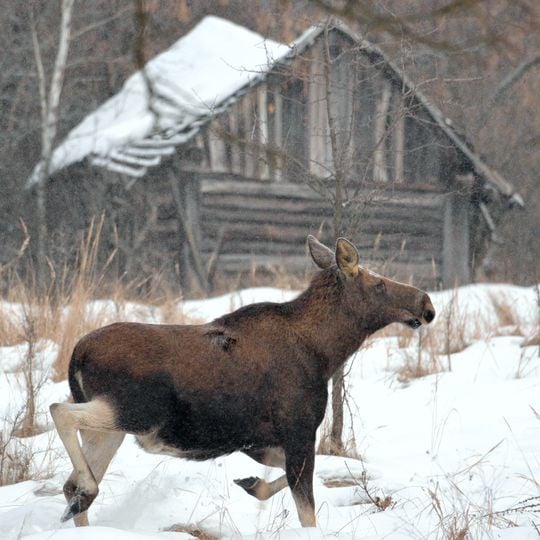
Palieski radyjacyjna-ekalahičny zapaviednik, Nature reserve in Gomel Region, Belarus
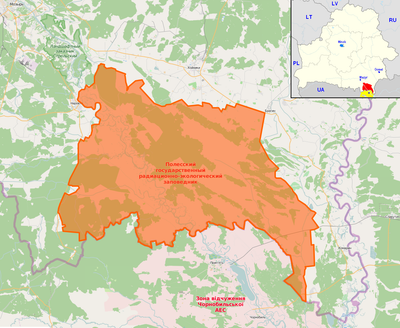
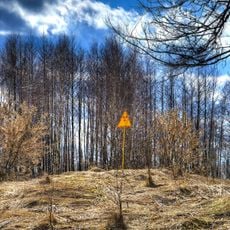
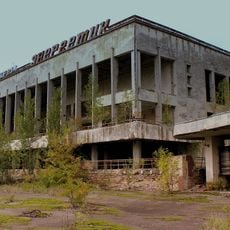
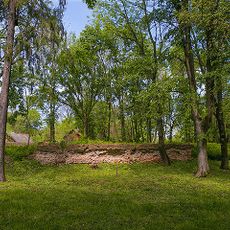
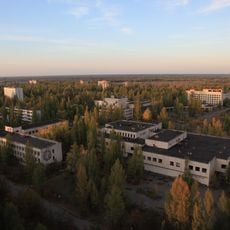
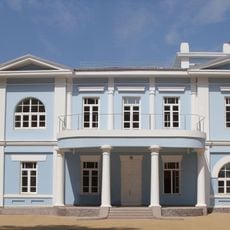
The Polesie State Radioecological Reserve is a protected area of 2,162 km² in the southern Gomel Region, spanning the Brahin, Khoiniki and Narowlya districts and adjoining Ukraine's Chernobyl Exclusion Zone. It encloses 96 abandoned settlements, the Pripyat River floodplain, and a landscape of forests, wetlands and former farmland. About 70% of the territory is closed to economic use and reserved for scientific work.
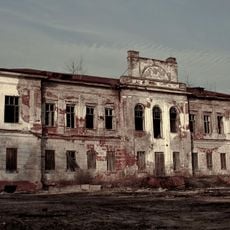
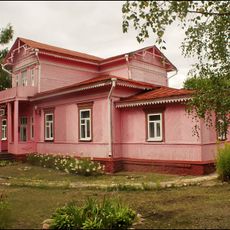
Following the Chernobyl nuclear power plant explosion in April 1986, authorities established this area two years later as a protected zone to study the effects of radiation. Around 22,000 people were relocated from 96 villages that remain uninhabited to this day.
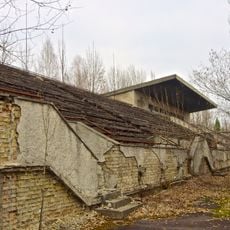
Scientists from Belarus and other countries work together here to understand the long-term effects of radiation exposure on plants and animals. The abandoned villages serve as open-air laboratories where researchers observe how nature evolves without human interference.
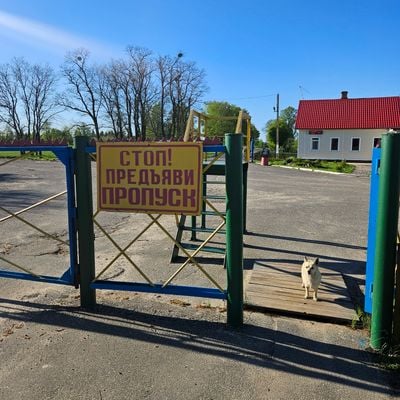
Visitors need special permits and must join guided tours along designated routes where radiation levels are continuously monitored. It is advisable to wear long clothing and follow guide instructions closely, as certain areas have higher contamination levels.
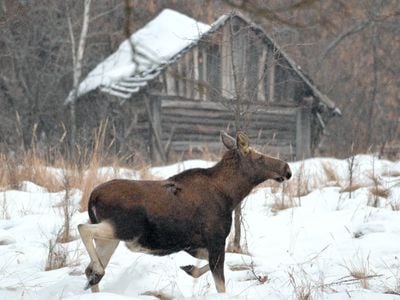
The reserve hosts over 1,200 plant species and 280 bird species, including rare specimens that have returned to the abandoned areas. Despite radiation exposure, wolves, lynx, and elk have settled here in greater numbers than before the evacuation.
The community of curious travelers
AroundUs brings together thousands of curated places, local tips, and hidden gems, enriched daily by 93,856 contributors worldwide.