West Polesie Transboundary Biosphere Reserve, Biosphere reserve in Eastern Europe, Belarus Poland Ukraine.
West Polesie Transboundary Biosphere Reserve covers 263,016 hectares across Poland, Ukraine and Belarus, with 139,917 hectares in Poland, 75,075 in Ukraine and 48,024 in Belarus. It holds more than 100 lakes: 62 in Poland, 28 in Ukraine and over 20 in Belarus. Boreal coniferous and temperate deciduous forests, marshes, meadows and peat bogs fill the core, buffer and transition zones.
In 1983 the Shatsk National Nature Park was created to protect the Shatsk Lakes; UNESCO designated it a biosphere reserve in 2002. Poland's Polesie National Park followed in 1990, and Belarus established the Pribuzhskoye Polesie reserve by 2004. In 2011 the three governments signed an agreement, and in 2012 UNESCO certified the combined West Polesie Transboundary Biosphere Reserve.
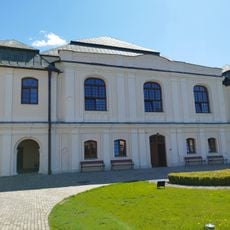
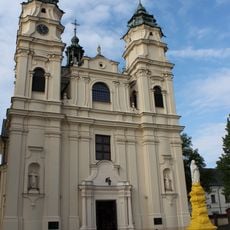
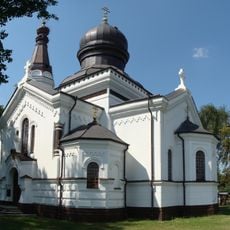
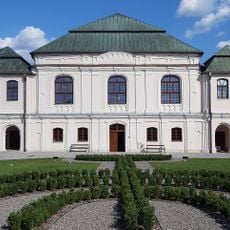
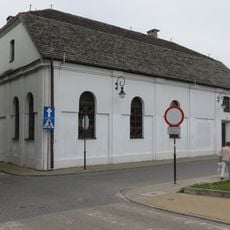
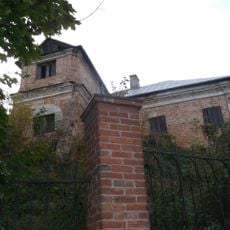
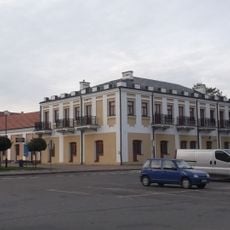
The region displays traditional wooden architecture that reflects both eastern and western European building styles found throughout the Polesie area. Visitors can observe these construction methods in settlements and older structures that show how local people have built their homes over time.
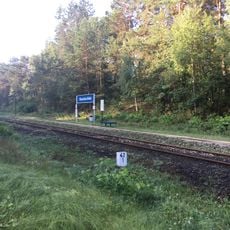
The reserve is split into a core area, buffer and transition zones, with administrative offices at Poleski National Park in Poland, Shatskyi National Nature Park in Ukraine and Pribuzhskoye Polesia in Belarus. The Brest–Włodawa railway line crosses the forests, so check access routes per country before setting out. Around 68,000 people live in the buffer and transition zones, where farmland, forestry and fishing continue.
The reserve is the world's only three-sided protected area on flat terrain, formed by Belarus, Poland and Ukraine. Its 263,016 hectares hold over 100 lakes: 62 in Poland, 28 in Ukraine and more than 20 in Belarus. The Brest–Włodawa railway line runs through its forests.
The community of curious travelers
AroundUs brings together thousands of curated places, local tips, and hidden gems, enriched daily by 94,125 contributors worldwide.