Fort Sainte Thérèse, National historic site and archaeological fort in Carignan, Canada
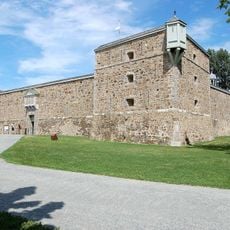
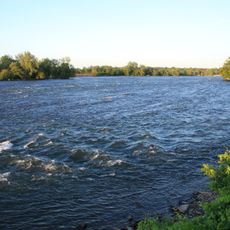
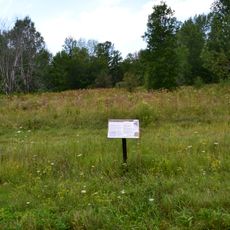
Fort Sainte Thérèse sits along the Richelieu River and displays remains of three successive military structures built between 1665 and 1760. The archaeological excavations reveal the layout of fortifications, bastions, and palisades from different construction phases.
In 1665, French soldiers of the Carignan-Salières Regiment built the first fort to protect the colony against Iroquois raids. The site underwent rebuilding over nearly a century, with each phase reflecting changing threats and defense strategies.
The name comes from the feast day of Saint Teresa, celebrated on October 15, when the palisades of the first fort were completed in 1665. The site later served as a rallying point for British troops before the surrender of Fort Chambly on September 4, 1760.
The site is exposed to river conditions, so plan your visit with weather and season in mind, especially if you want to explore the excavation areas. Access to the archaeological zones may be restricted at certain times, so check conditions before arriving.
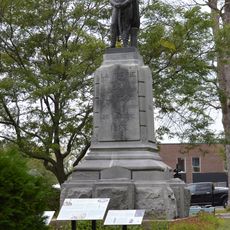
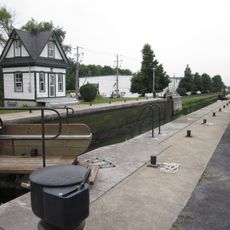
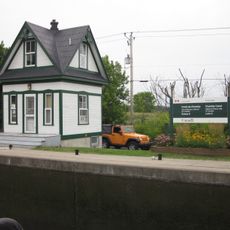
The site was designated a National Historic Site in 1923, and in 1927 a stone and plaque were erected, placing the fort "on the point south-east beyond the canal". Digging of the Chambly Canal between 1831 and 1843 had already made the site less accessible, and a dam built from 1930 to 1938 disturbed the ground where the fort was thought to lie.
The community of curious travelers
AroundUs brings together thousands of curated places, local tips, and hidden gems, enriched daily by 93,790 contributors worldwide.