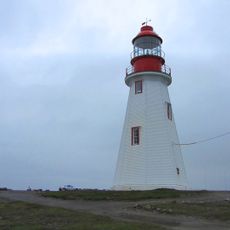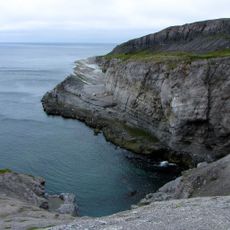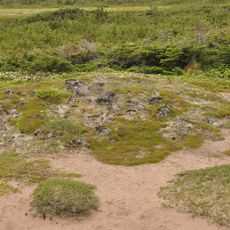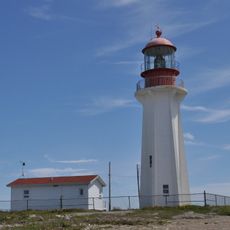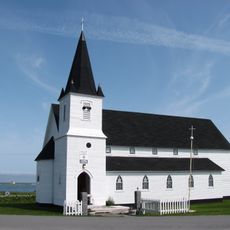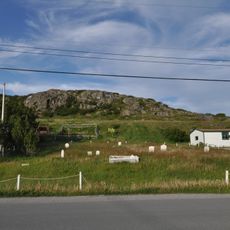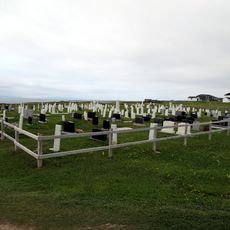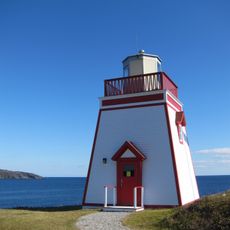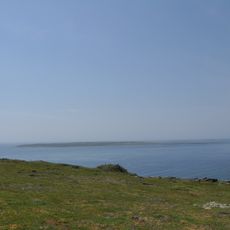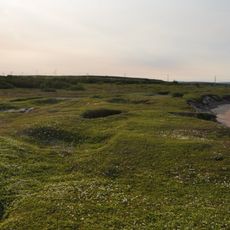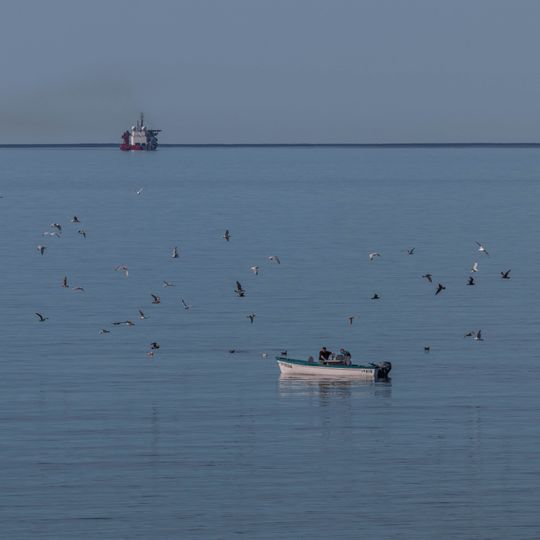
Strait of Belle Isle, Maritime passage between Newfoundland and Labrador, Canada.
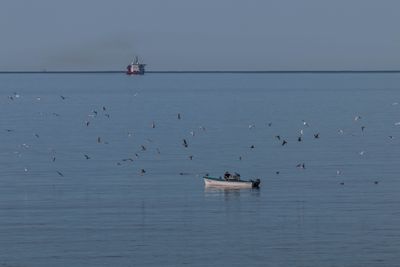
The Strait of Belle Isle is a water passage separating Newfoundland from Labrador and connecting the Gulf of Saint Lawrence to the Atlantic Ocean, spanning about 125 kilometers with widths ranging from 15 to 60 kilometers. It forms a natural channel between two distinct landmasses, with varying ocean conditions along its length.
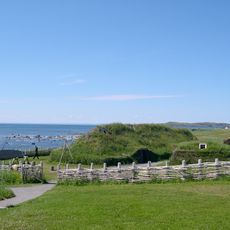
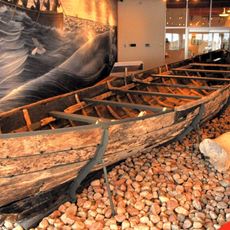
European explorers in the 16th century recognized this passage as a key route connecting North America to Europe. Over time it became an important seaway for merchant ships and naval vessels from various nations.
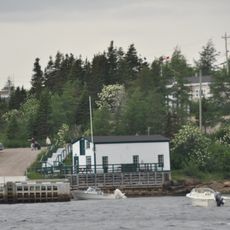
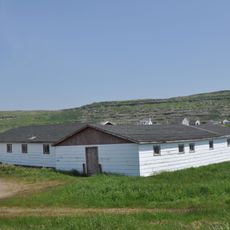
Communities along the waterway have deep roots in fishing, with boats, equipment, and harbor facilities shaping daily life for generations. The connection to the sea remains central to how people here understand their home and their way of living.
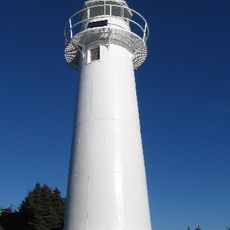
The waterway is easiest to navigate from June through November when ice melts and waters are more accessible for vessels. Outside these months, boats need special reinforcement or ice-breaking capability to manage the frozen conditions and strong currents.
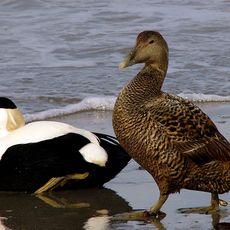
The cold Labrador Current brings Arctic water into this region, creating a place where tropical and polar sea creatures live together in the same waters. This unusual mixing makes the area biologically diverse in ways that surprise most visitors.
The community of curious travelers
AroundUs brings together thousands of curated places, local tips, and hidden gems, enriched daily by 90,744 contributors worldwide.