Miguasha National Park, Nature reserve and fossil site in Escuminac, Canada
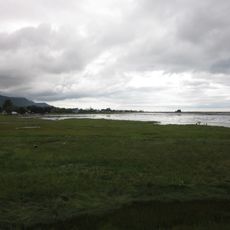
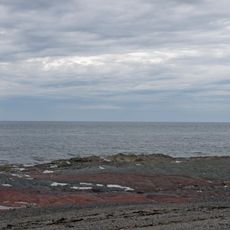
Miguasha National Park is a protected fossil site on the Gaspé Peninsula near Carleton-sur-Mer, Quebec. Its coastal cliff, the René-Bureau cliff, exposes Upper Devonian grey sedimentary rock of the Escuminac Formation: alternating layers of sandstone and shale 350 to 375 million years old. The park covers 87.3 hectares and includes a natural history museum.
The fossil site was discovered in 1842 and revealed animals that lived roughly 380 million years ago. These findings helped scientists trace how certain fish developed the ability to move onto land and eventually transform into new kinds of creatures.
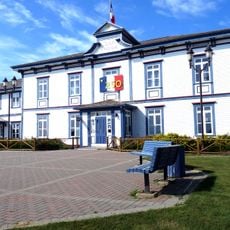
The exhibition space showcases fossils that tell the story of ancient sea life in this region. For people who live here, this site represents a connection to a much deeper past that shaped scientific understanding.
The park lies in the municipalities of Nouvelle and Escuminac, with the fossil cliff and the natural history museum as its two main stops. A 775-hectare buffer zone of private land around the park bans mining exploration and excavation, so collecting fossils is not allowed. The cliff was officially named falaise René-Bureau in 2007 after the technician who built Quebec's first Miguasha fossil collection.
The rock formations here hold one of the largest collections of preserved lobe-finned fish in the world. These particular animals are harder to find as fossils elsewhere, making this location especially important for studying how fish evolved into land creatures.
The community of curious travelers
AroundUs brings together thousands of curated places, local tips, and hidden gems, enriched daily by 94,364 contributors worldwide.