Lake Manitoba, Glacial lake in south-central Manitoba, Canada.
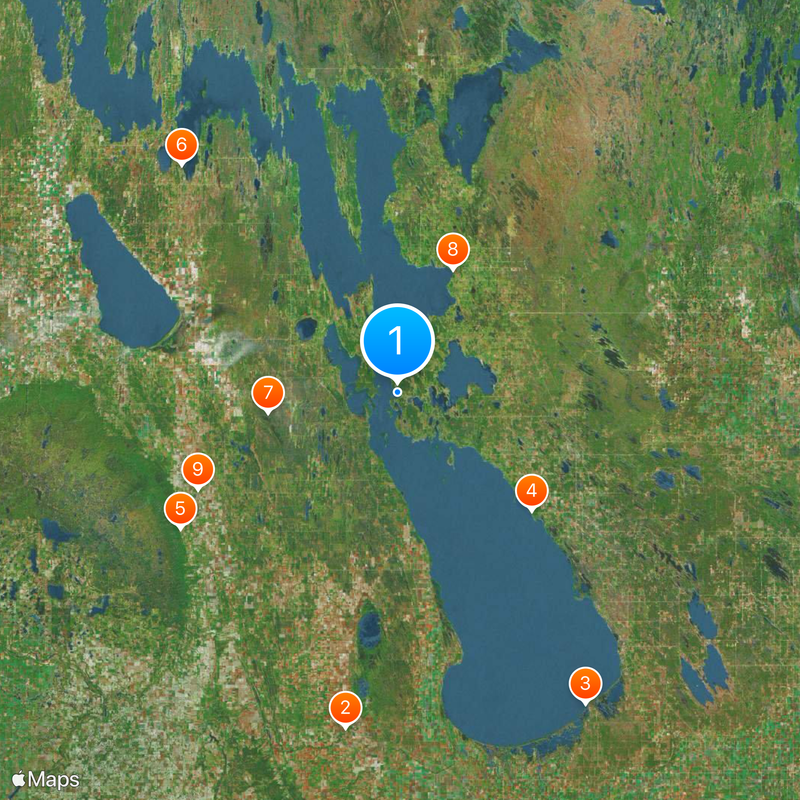
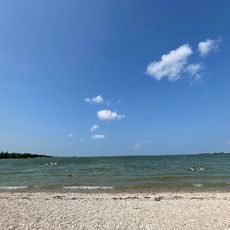
Lake Manitoba is a large freshwater body that stretches north to south across central Canada in a long, narrow shape. The water sits fairly shallow throughout much of its expanse, which influences how it responds to wind and weather.
The French fur trader La Vérendrye explored this body of water in the early 1700s and initially called it Lac des Prairies. His travels helped map out the region for European knowledge of central Canada.
The name comes from Algonquian words meaning "strait of the spirit," which refers to the sounds that waves make against limestone cliffs at the Narrows. This gives a sense of how the original peoples of this land understood and named their surroundings.
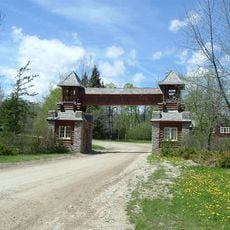
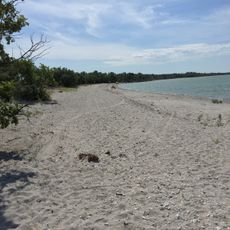
You can reach the shoreline from several points, though some areas are marshier than others. The wind can pick up quickly across the open water, so check weather conditions before heading out, especially if you plan to spend time on the surface.
The Delta Marsh on the southern shore serves as a major stopping point for migrating waterfowl during their seasonal journeys. Visitors might spot enormous flocks of birds passing through during certain times of year.
The community of curious travelers
AroundUs brings together thousands of curated places, local tips, and hidden gems, enriched daily by 92,770 contributors worldwide.