Lake Nipissing, Large freshwater lake in Northern Ontario, Canada
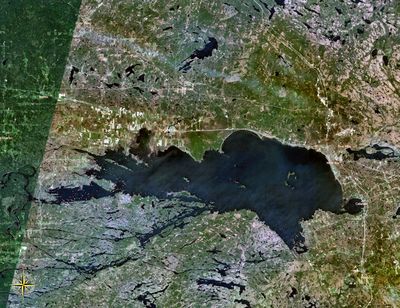
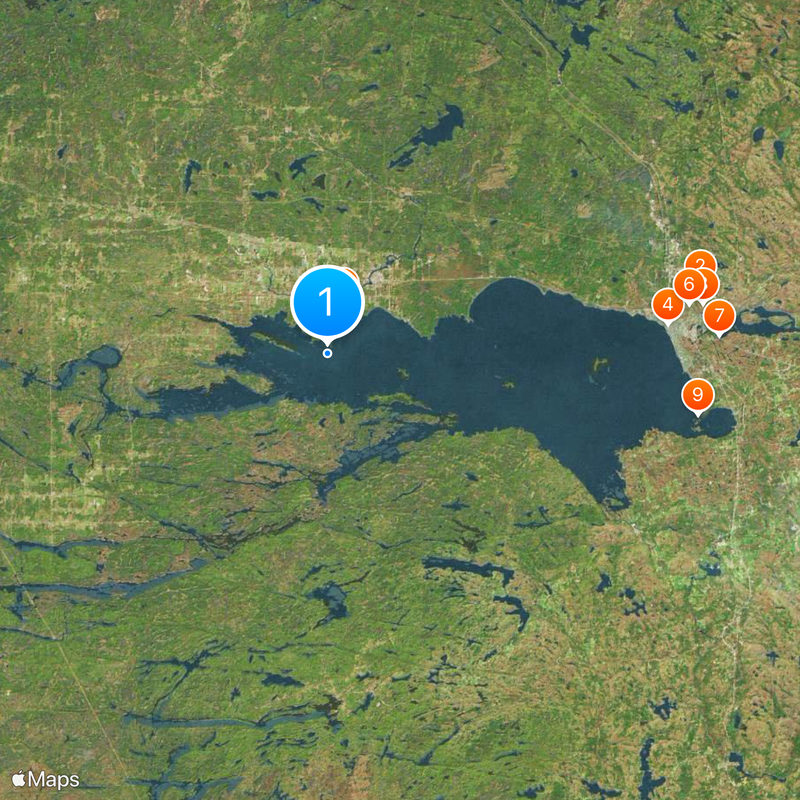
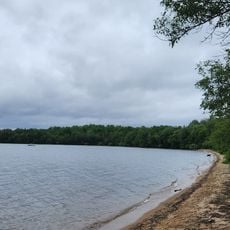
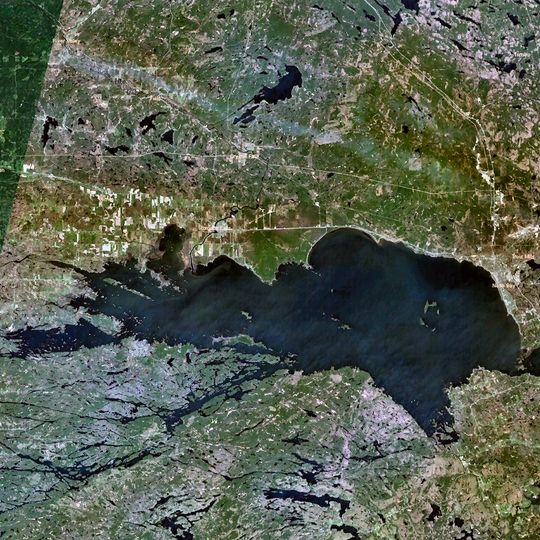
Lake Nipissing covers 873 square kilometers with irregular shorelines and numerous sandbars, shaped by its shallow average depth of 4.5 meters. This shallow character creates the visual and physical qualities that define the water body.
French fur trader Étienne Brûlé arrived at the lake in 1610, followed by Jean Nicolet who operated a trading post on its shores until 1633. These early European contacts made it an important route for commerce.
The name comes from the Ojibwe word 'nibiinsing', meaning 'at little water', and local Indigenous communities call it Gichi-nibiinsing-zaaga'igan. These names reflect the deep connection that Anishinaabe peoples have maintained with this water for generations.
The lake supports 44 fish species, with specific catch size regulations for different species to maintain healthy populations. Before planning a fishing trip, check with local authorities about current rules and seasonal conditions.
Two volcanic pipes formed the Manitou Islands and Callander Bay, giving this lake a geological structure different from other lakes in the region. These formations create a distinctive character beneath the water's surface.
The community of curious travelers
AroundUs brings together thousands of curated places, local tips, and hidden gems, enriched daily by 60,000 contributors worldwide.