Province of Avalon, National historic site and archaeological settlement in Ferryland, Canada
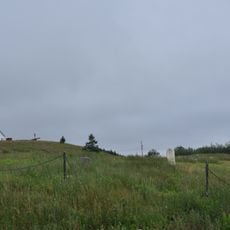
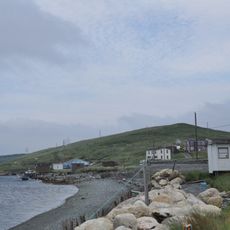
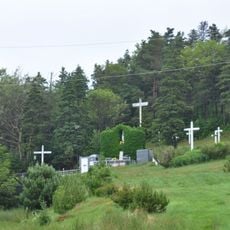
Province of Avalon is an archaeological site and national historic site on the eastern coast of Avalon Peninsula that displays excavated colonial structures. The property includes building remains, an interpretation center, and heritage gardens that document early European life in North America.
Ferryland's colony was begun by Captain Edward Wynne for Sir George Calvert and grew to about 100 settlers, the first successful permanent settlement on Newfoundland. In 1623 a royal charter named the territory the Province of Avalon, a palatinate under Calvert's absolute authority, intended as a refuge for Roman Catholics. Calvert left in 1629 for Maryland, and in 1637 the island was granted to Sir David Kirke.
The name Avalon was chosen by George Calvert in 1623 "in imitation of Old Avalon in Somersetshire wherein Glassenbury stands, the first fruits of Christianity in Britain". Calvert intended the colony as a refuge for Roman Catholics facing persecution in England. The site became a National Historic Site in 1953 and a Municipal Heritage District in 1998.
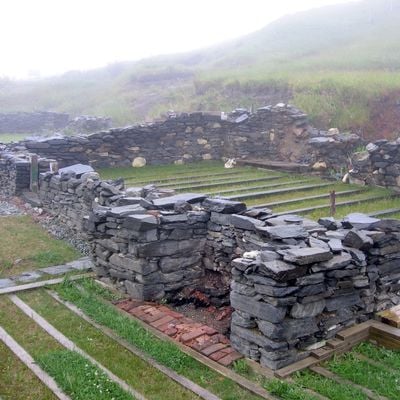
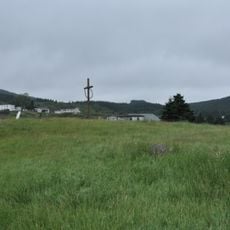
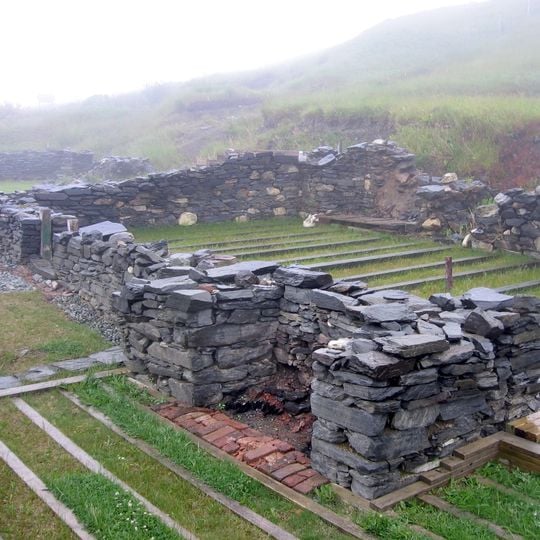
The excavated foundations lie on a grassy slope at Ferryland, on the southern shore of the Avalon Peninsula, reached via the Colony of Avalon site. The low dry-stone walls of stacked grey and black slate are roofless and open to the weather, and fog is common. One inner floor is paved with red brick edged by thin flat stones.
The name Avalon was chosen by George Calvert in 1623 "in imitation of Old Avalon in Somersetshire wherein Glassenbury stands, the first fruits of Christianity in Britain". The charter made the province a palatinate where Calvert held absolute authority, and he intended it as a refuge for Roman Catholics facing persecution in England.
The community of curious travelers
AroundUs brings together thousands of curated places, local tips, and hidden gems, enriched daily by 94,003 contributors worldwide.