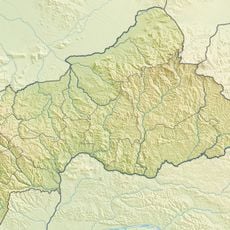
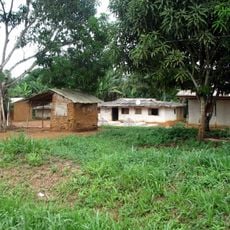
Dzanga-Sangha Special Reserve, Protected rainforest reserve in southwestern Central African Republic.
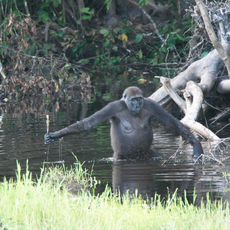
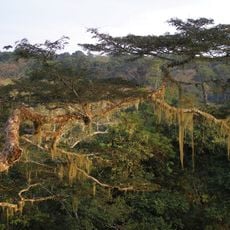
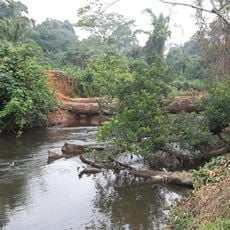
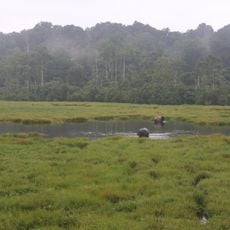
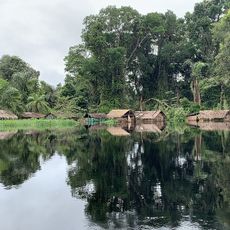
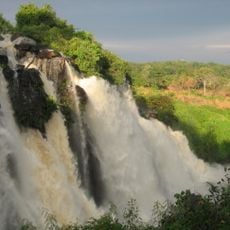
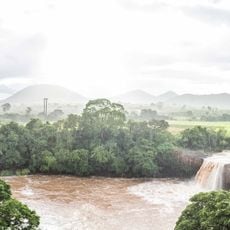
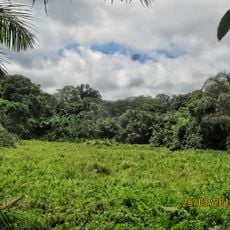
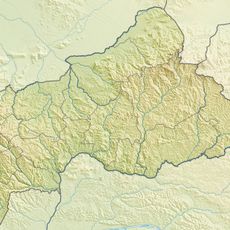
Dzanga-Sangha Special Reserve is a large rainforest protected area in southwestern Central African Republic covered by dense tropical forest. The Sangha River cuts through the landscape alongside natural forest clearings that support a rich diversity of life.
The reserve was created in 1990 alongside the adjacent Dzanga-Ndoki National Park, together forming the Dzanga-Sangha Complex of Protected Areas. It has been managed through cooperation between the Central African Republic government and conservation organisations, notably the WWF. Regional cooperation expanded in 1999 with the Yaoundé Declaration, followed on 7 December 2000 by the Sangha Trinational agreement signed by Cameroon, the Central African Republic and the Republic of the Congo. In 2012 the Sangha Trinational became a UNESCO World Heritage Site.
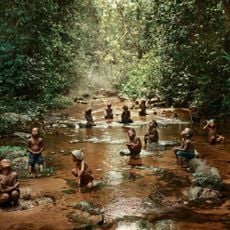
The reserve is home to indigenous Aka communities, traditionally hunter-gatherers of the Congo Basin rainforest. Many Aka work as wildlife trackers, field assistants and guides for research and conservation projects, especially those involving western lowland gorillas, and their knowledge of the forest has helped develop ecotourism in Dzanga-Sangha. Hunting, fishing and gathering remain part of their way of life, though many families also practise small-scale agriculture or live partly in settled villages.
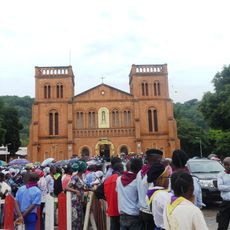
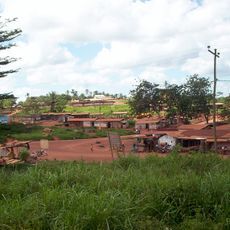
Bayanga, on the Sangha River, is the main settlement and the point of access to the reserve and the national park; the reserve administration is based there. Rain falls mainly from May to June and from October to November, with drier periods between.
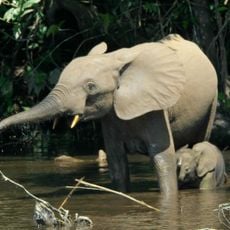
Scientists operate acoustic recording stations throughout the reserve to study how forest elephants communicate with each other. This research reveals the hidden social networks of these animals moving through the forest.
The community of curious travelers
AroundUs brings together thousands of curated places, local tips, and hidden gems, enriched daily by 92,777 contributors worldwide.