Monte San Giorgio, UNESCO mountain site at Italy-Switzerland border, Ticino.
Monte San Giorgio rises 1,097 meters above Lake Lugano with a distinctive pyramid shape, steep northern face, and gentle southern slope dropping toward the Po Plain. The mountain holds exceptional Triassic-era fossil deposits that visitors can study both in a dedicated museum and through marked trails crossing different rock layers.
The mountain holds extensive fossil beds from the Middle Triassic period, with important discoveries beginning in 1847 and systematic research starting in 1924 under paleontologist Bernhard Peyer. These excavations transformed the site into an internationally recognized location for understanding ancient marine life and eventually earned it UNESCO World Heritage status.
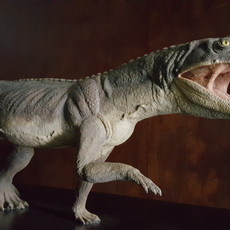
Fossils found here carry local names: Ticinosuchus after the Canton of Ticino, Ceresiosaurus after Ceresio, the Italian name for Lake Lugano, and Helveticosaurus after the Helvetii. The Meride fossil museum, redesigned by architect Mario Botta and reopened on 13 October 2012, greets visitors with a 2.5-metre reconstruction of Ticinosuchus, an animal that lived about 240 million years ago.
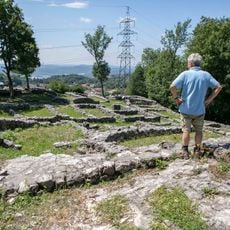
The site is accessible by marked hiking trails of varying difficulty that guide you through different rock layers and geological formations. A museum near the base displays key fossil discoveries and helps prepare visitors to recognize what they see while hiking the mountain.
The mountain's fossils include several species named after the region: Ticinosuchus after the canton of Ticino, Ceresiosaurus after Ceresio, the Italian name for Lake Lugano, and Helveticosaurus after the Helvetii. A 2.5-metre reconstruction of Ticinosuchus, a land reptile that lived about 240 million years ago, greets visitors in the Meride fossil museum.
The community of curious travelers
AroundUs brings together thousands of curated places, local tips, and hidden gems, enriched daily by 93,553 contributors worldwide.