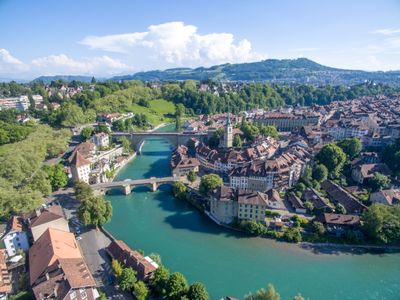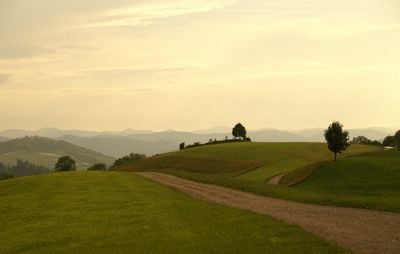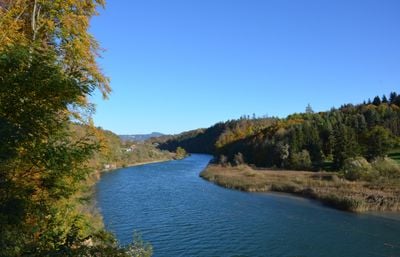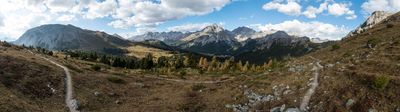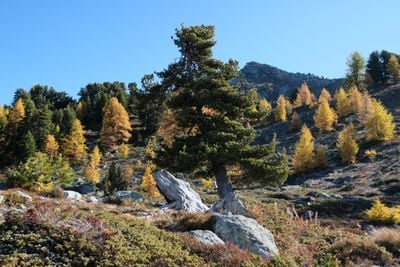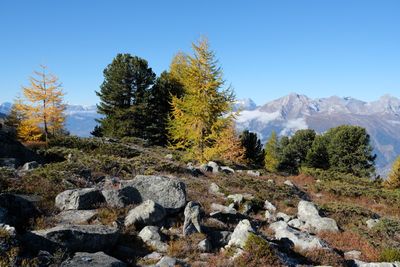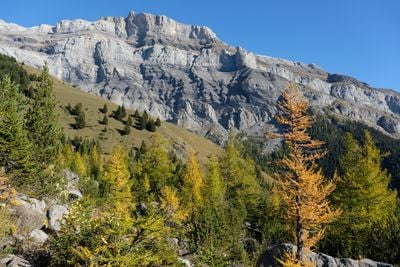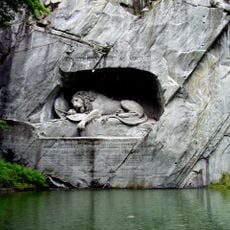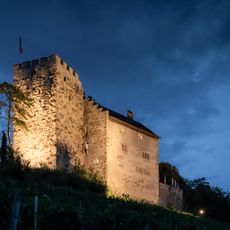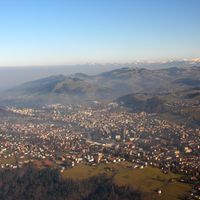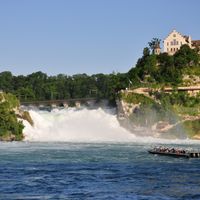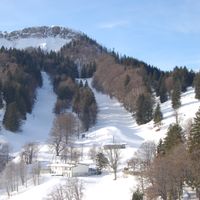
Switzerland, Federal republic in Central Europe.
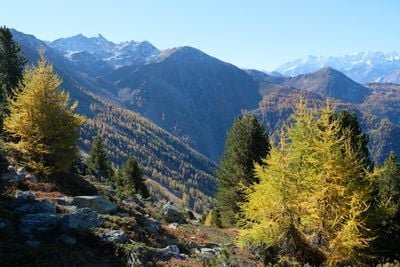
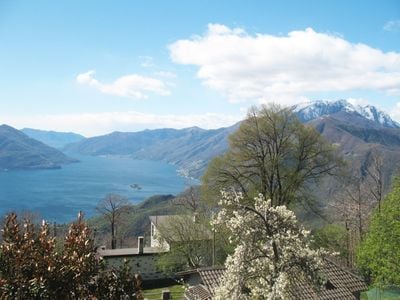
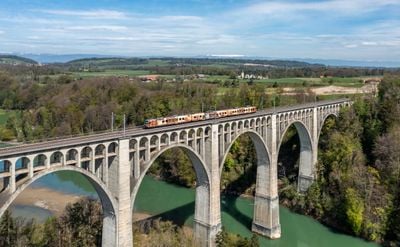
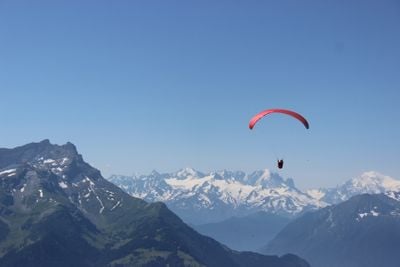
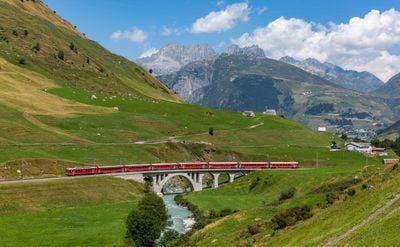
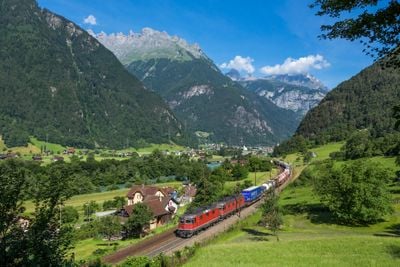
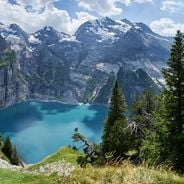
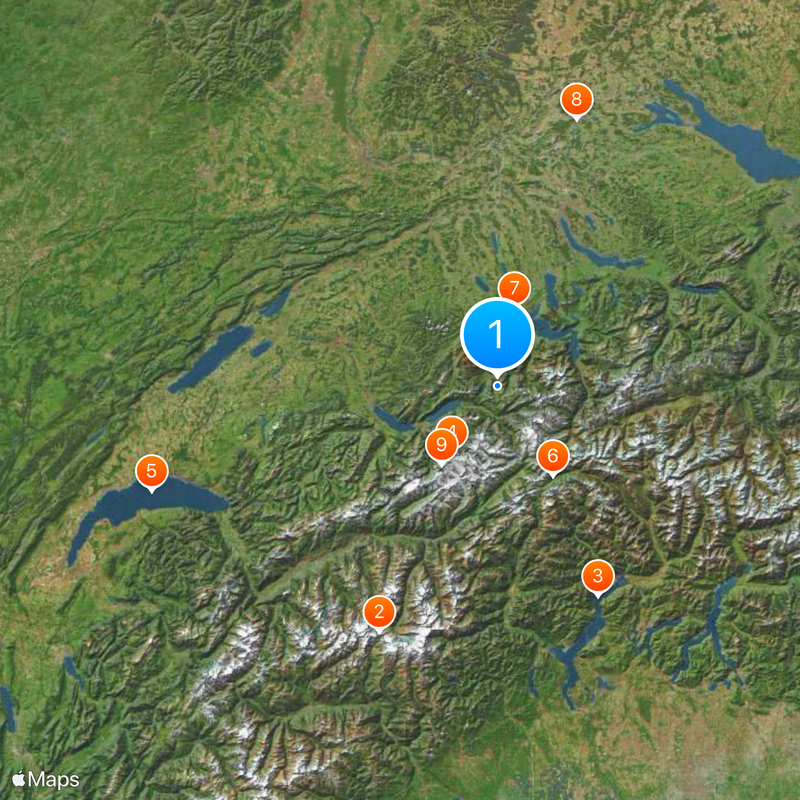
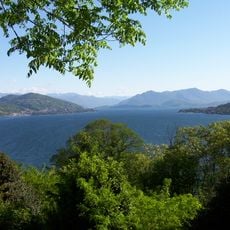
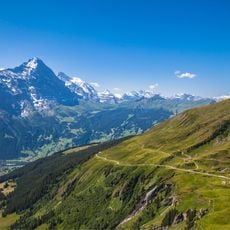
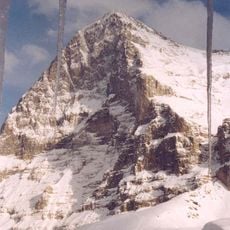
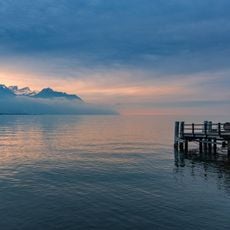
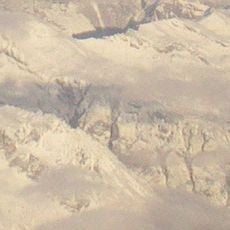
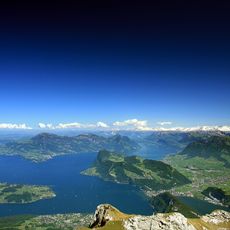
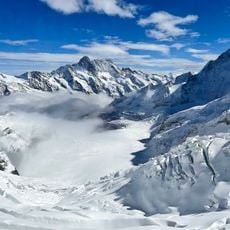
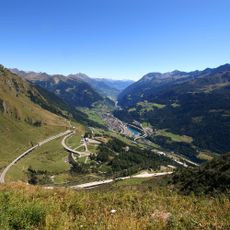
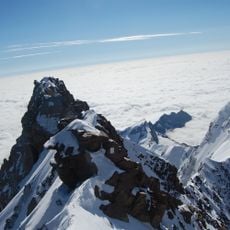
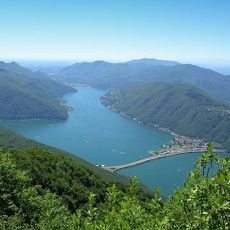
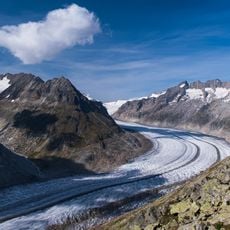
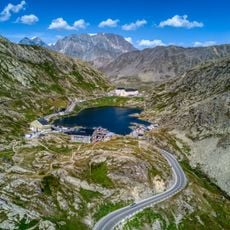
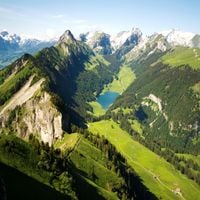
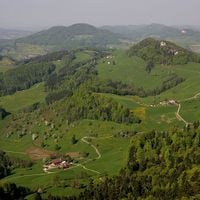
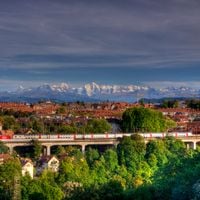
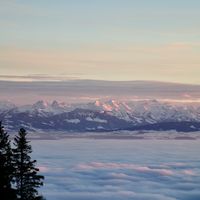
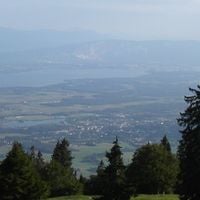
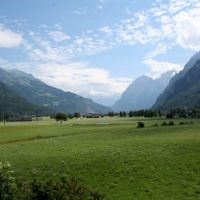
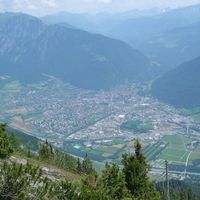
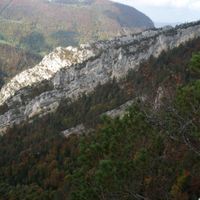
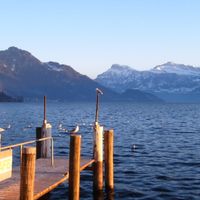
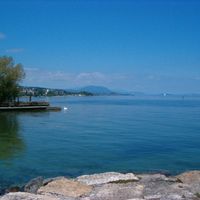
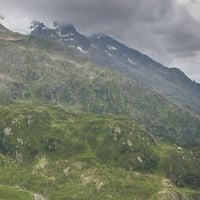
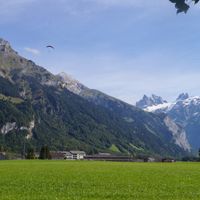
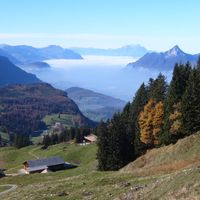
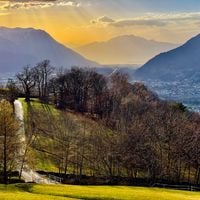
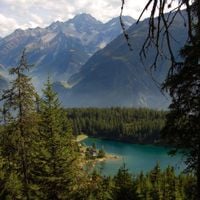
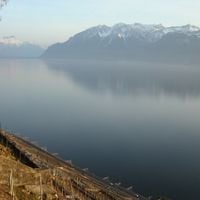
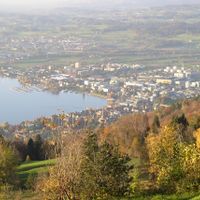
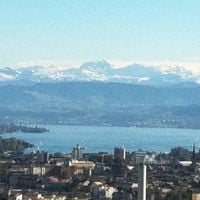
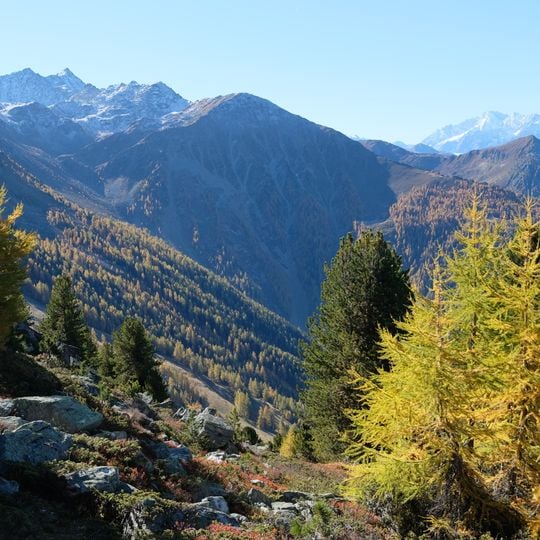
Switzerland is a federal republic in Central Europe, covering three geographical zones: the Alpine chain in the south, the central plateau between Lake Geneva and Lake Constance, and the Jura chain along the northwestern border, with elevations ranging from about 650 feet (200 meters) to over 15,000 feet (4,600 meters). The transport network includes roughly 3,300 miles (5,300 kilometers) of railway lines linking major cities through mountain tunnels, complemented by a dense bus network in valleys and uplands.
The Federal Charter of 1291 founded the Confederation when the cantons Uri, Schwyz, and Unterwalden formed an alliance against Habsburg rule. Additional cantons joined over the following centuries, until the current federal structure emerged through the constitution of 1848.
The country uses four official languages daily, with German spoken by about 63 percent, French by 23 percent, Italian by 8 percent of residents, while Romansh maintains its regional importance in Graubünden canton. This multilingual character shapes everyday life, so official documents and public signage often appear in several languages.
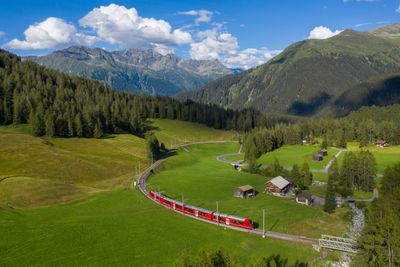
The transport network offers regular connections between key hubs, with trains reaching even remote mountain regions and running every half hour. National passes make travel across multiple regions easier, and many railway stations sit centrally in towns, so walking distances stay short.
The Large Hadron Collider at the CERN laboratory near Geneva runs 17 miles (27 kilometers) in circumference across borders and stands as the world's largest particle accelerator, where scientists conduct fundamental physics research. The facility sits about 330 feet (100 meters) underground and uses superconducting magnets to propel particles at near light speed.
The community of curious travelers
AroundUs brings together thousands of curated places, local tips, and hidden gems, enriched daily by 91,271 contributors worldwide.