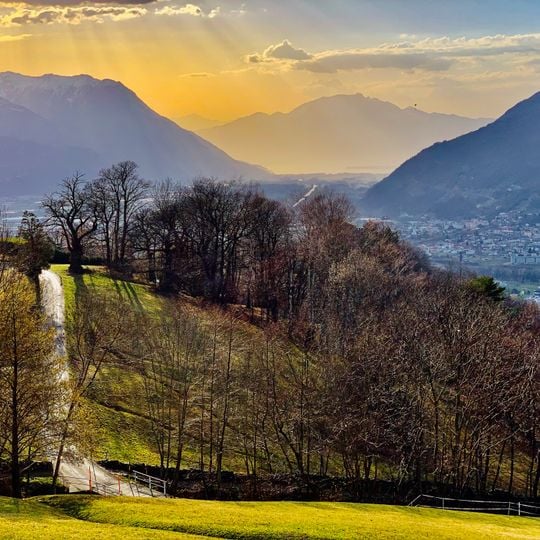
Canton of Ticino, Canton in southern Switzerland
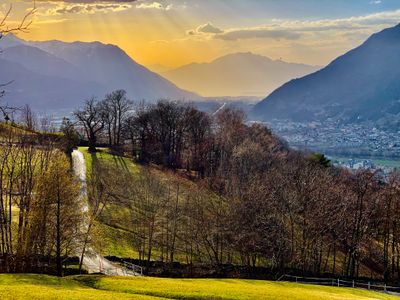
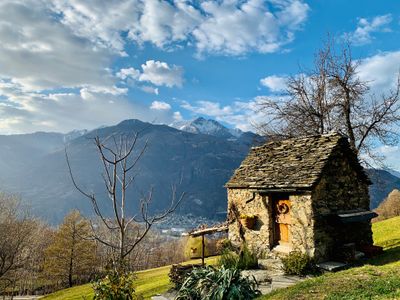
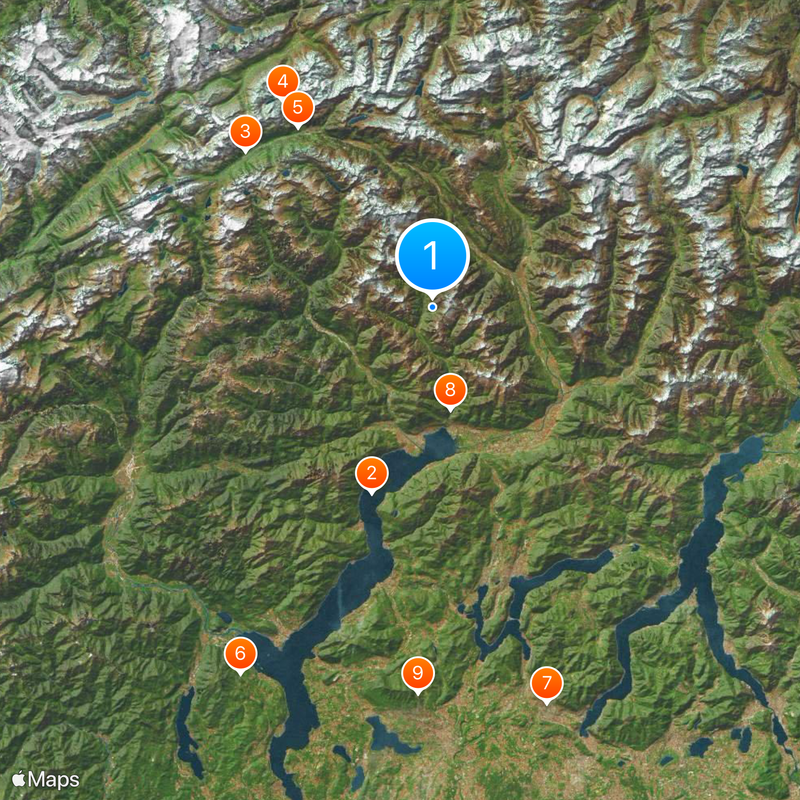
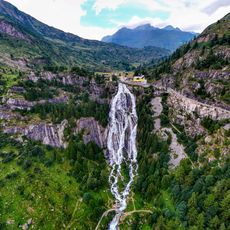
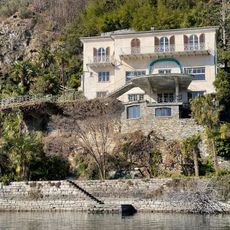
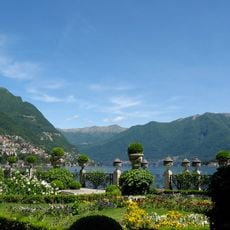
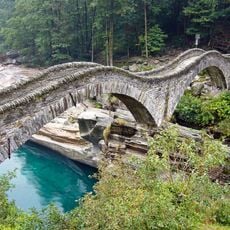
Ticino is an Italian-speaking canton in southern Switzerland that stretches between Lake Maggiore and Lake Lugano, shaped by mountains, valleys, and Mediterranean vegetation in parts. The region is divided into eight districts and connects alpine landscapes in the north with a milder climate and palm trees in the south.
The lands south of the Alps were conquered by the Swiss Confederation in the 15th century and initially administered as Italian-speaking subject territories. In 1803, Napoleon merged these territories into a single canton within the Helvetic Republic.
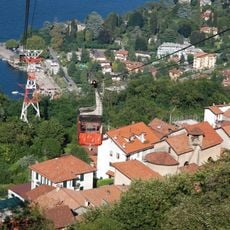
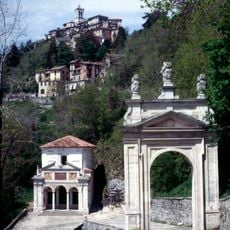
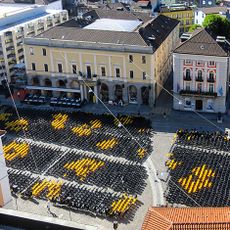
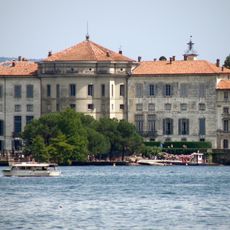
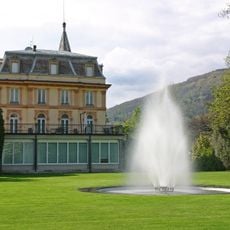
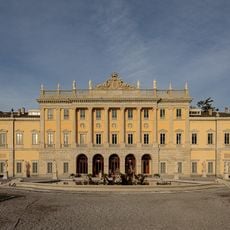
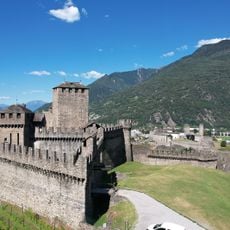
This canton is the only region in Switzerland where Italian is the main language, and that linguistic influence shows up in street signs, markets, and the way people use public spaces. The architecture in many towns and villages follows Mediterranean patterns, with open squares, arcades, and facades in warm colours that recall northern Italian settlements.
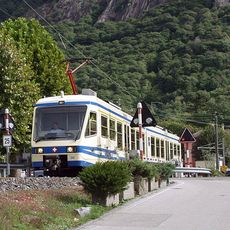
Access to the region is through the Gotthard railway tunnel, which links the canton to the German-speaking part of Switzerland and makes it reachable in about three hours from Zurich. In the south, several mountain passes and motorway tunnels lead into Italy, while local bus lines connect valleys and smaller towns throughout the territory.
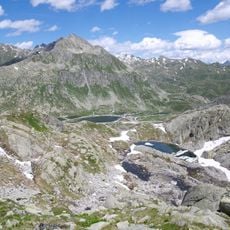
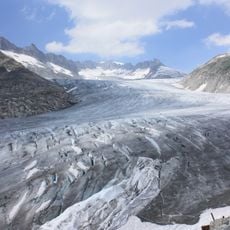
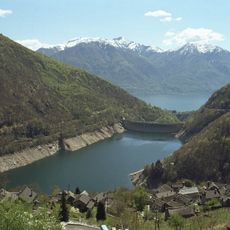
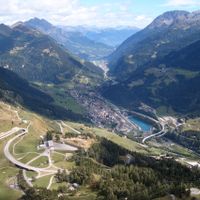
The northern boundary is formed by the Lepontine Alps, where peaks rise to 3,402 meters, while in the south palm trees and fig trees thrive under a Mediterranean climate. This contrast makes the region one of the most climatically diverse areas in all of Switzerland within a relatively small space.
The community of curious travelers
AroundUs brings together thousands of curated places, local tips, and hidden gems, enriched daily by 90,839 contributors worldwide.