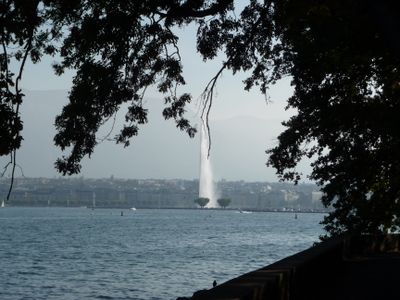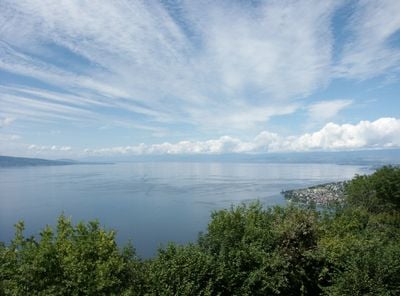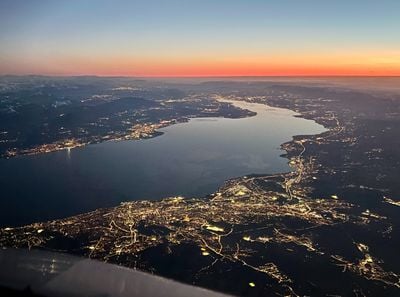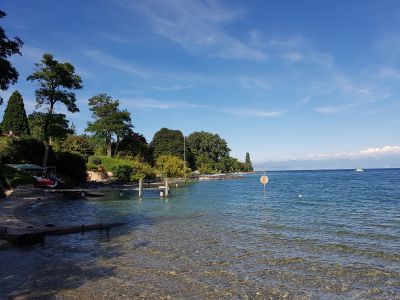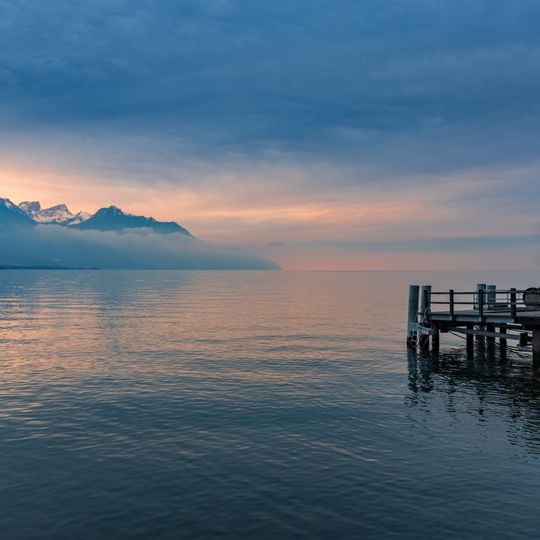
Lake Geneva, Glacial lake in Western Switzerland and Eastern France
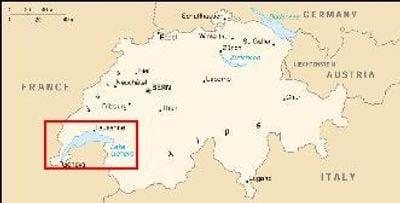
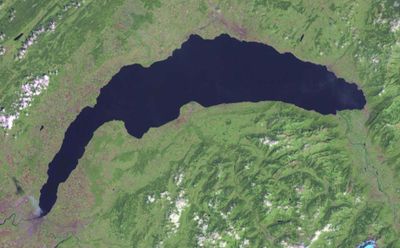
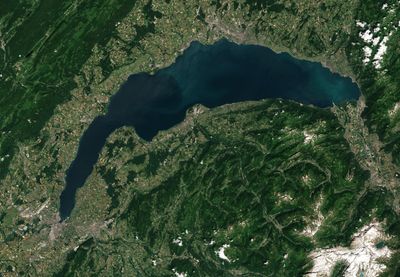
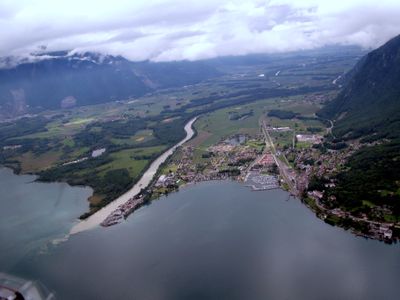
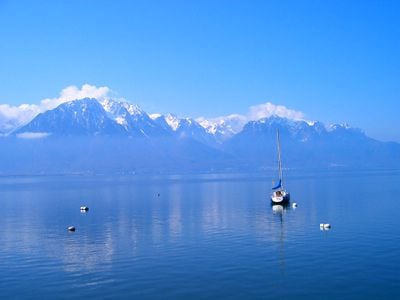
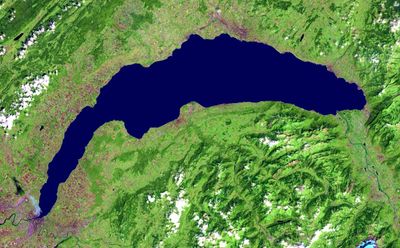
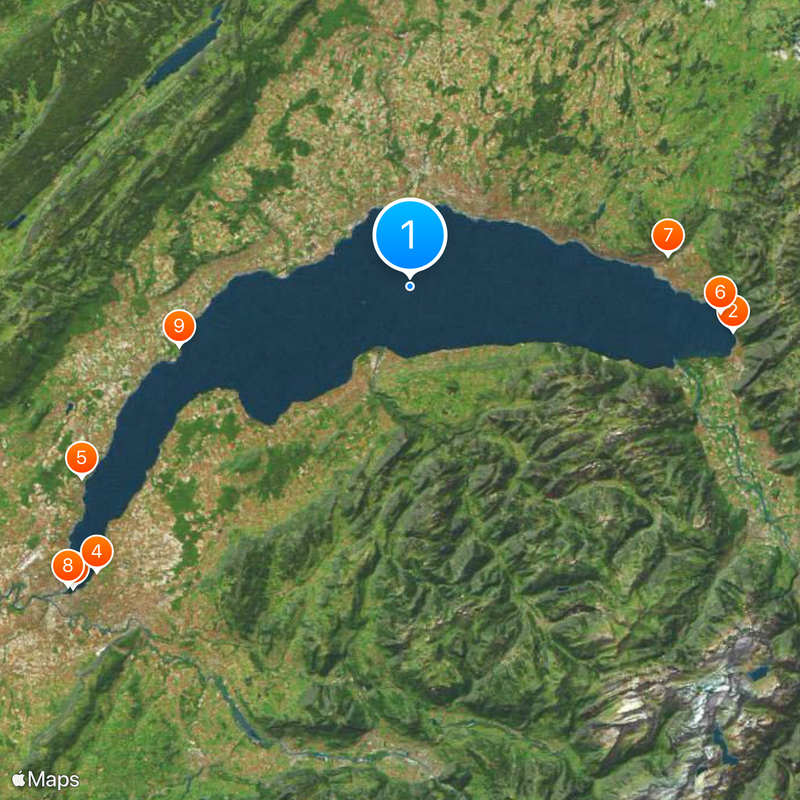
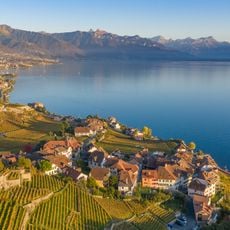
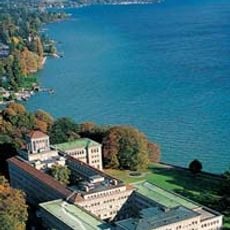
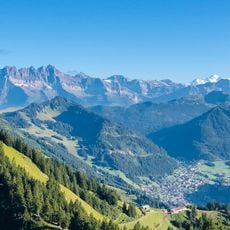
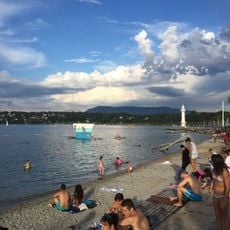
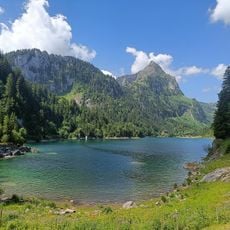
Lake Geneva is a glacial lake in western Switzerland and eastern France, stretching 73 kilometers between the two countries and reaching depths of 310 meters. The Rhône flows through it, bringing clear water from the Alps, while the shores are lined with steep slopes and forested coastlines in many places.
The Romans established settlements around the lake from 58 BC, founding cities such as Geneva and Lausanne as trading centers. During the Middle Ages the region became divided among different European powers, resulting in the current border line between France and Switzerland.
The name derives from the Latin Lacus Lemanus, referring to the Celtic Lemani people who once lived along these shores. Today the lake serves as a natural link between the Swiss and French communities that line its banks, with residents on both sides using its waterways as a travel route for centuries.
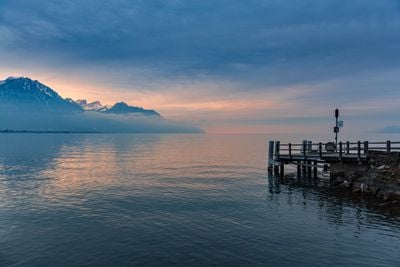
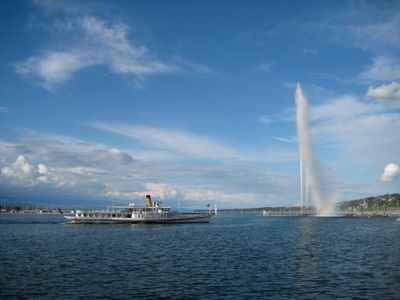
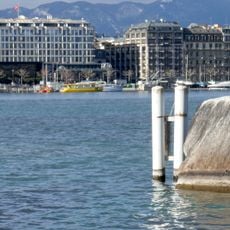
Regular ferry services run year-round between around 20 ports on both sides of the lake, making it easy to move from place to place. Most shores have publicly accessible docks and promenades where visitors can take in the views across the water.
The water sometimes moves from one side to the other in a phenomenon called seiche, where water levels at the shores can shift by up to one and a half meters. These wave-like fluctuations are caused by changes in air pressure or wind and can last several hours without being directly noticeable on the surface.
The community of curious travelers
AroundUs brings together thousands of curated places, local tips, and hidden gems, enriched daily by 90,856 contributors worldwide.