See the monuments around you in AROpen chests in the app
Around Us is built for your phone — point your camera at the streets and discover the monuments and places around you in augmented reality.Around Us is built for your phone — chests unlock when you walk, explore and capture nearby places.
Joël Dicker's thrillers take place in real locations spread between Switzerland and the East Coast of America.
Here is a list of real places that inspired the books of Joël Dicker. Follow the path of his criminal stories across Switzerland and the east coast of the United States. From the charming towns in New Hampshire to the neighborhoods in Geneva where the author grew up. This selection combines the true settings of his thrillers with the landscapes that shaped his imagination.
Joël Dicker's thrillers take place in real locations spread between Switzerland and the East Coast of America.
Here is a list of real places that inspired the books of Joël Dicker. Follow the path of his criminal stories across Switzerland and the east coast of the United States. From the charming towns in New Hampshire to the neighborhoods in Geneva where the author grew up. This selection combines the true settings of his thrillers with the landscapes that shaped his imagination.
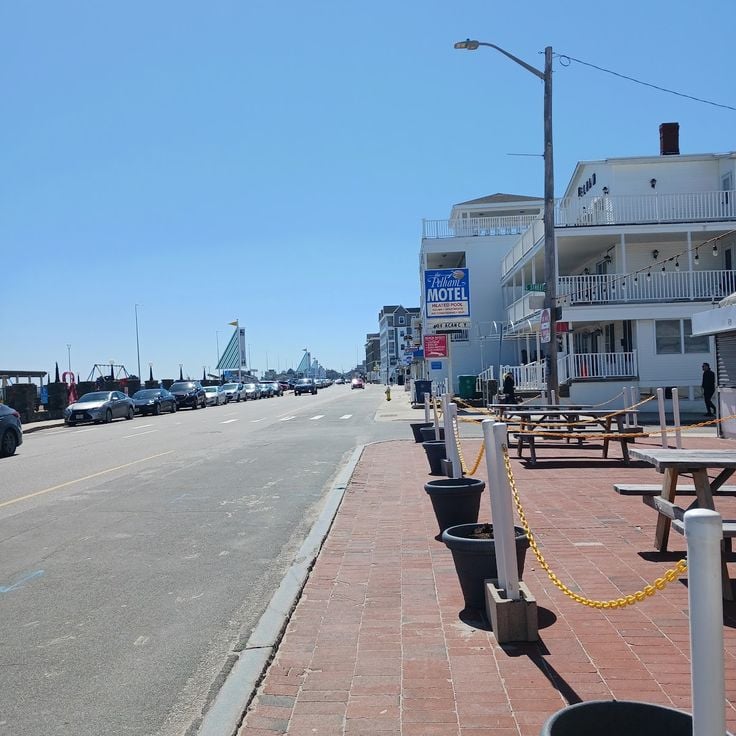
Hampton Beach is a beach on the coast of New Hampshire. Joel Dicker was inspired by it to create the fictional town of Aurora in his books. Walking through it, you see the image of this small American seaside town that runs through his stories and brings his criminal investigations to life.
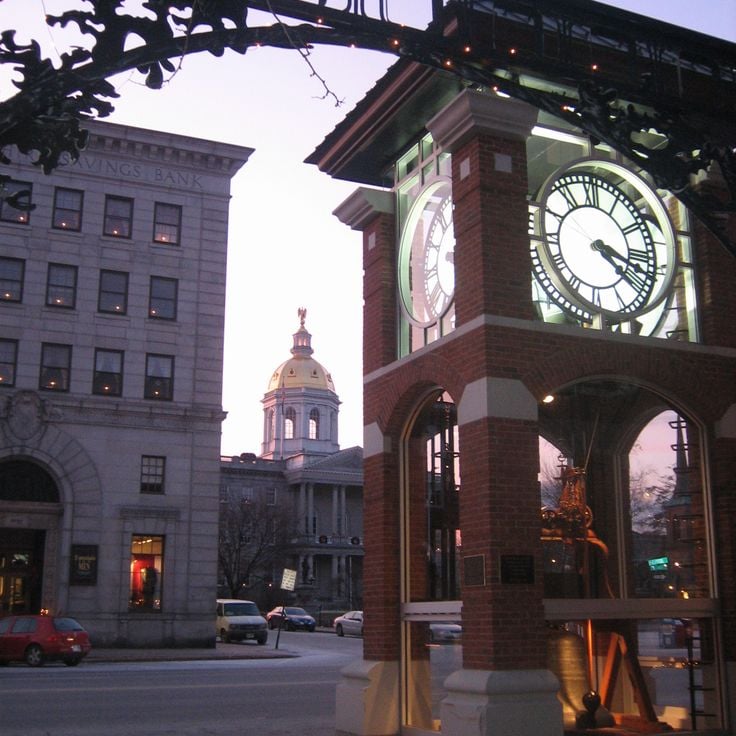
Concord is the capital of New Hampshire and appears in Joël Dicker's Harry Quebert novels. Walking through it, you notice wide streets, red brick buildings, and the slow pace of a small administrative town in New England. The city provides the geographic backdrop for the investigations that Dicker sets in this part of the American East Coast.
Mount Pleasant is a town in New Hampshire that sits at the heart of Joël Dicker's novel Alaska Sanders. Walking through its streets, you can feel how the author drew on this setting to build a story full of tension and hidden secrets.
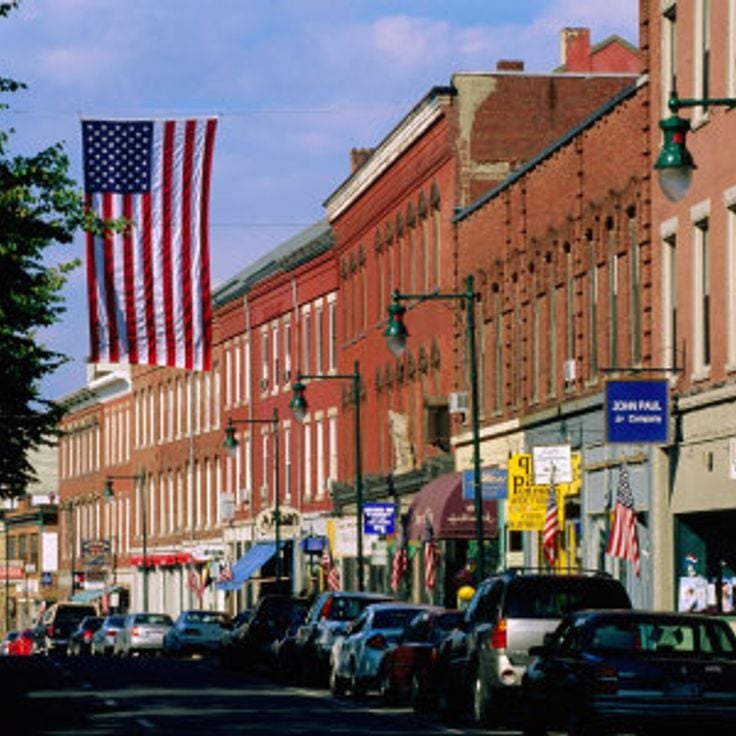
Rockland is a coastal town in Maine that shaped the world of Joël Dicker's crime novels. The harbor, the low streets, and the slow rhythm of daily life along the East Coast give his books their sense of place. Walking through Rockland, you start to recognize the corners and moods that show up in his stories.
New York appears in Joël Dicker's novels as a city that Marcus Goldman, his central character, knows well. The streets, the noise, and the rhythm of daily life form the backdrop for part of the criminal plots that Dicker develops throughout his books. Readers familiar with the novels look at the city in a different way.
Boston is a city in Massachusetts on the East Coast of the United States. In Joël Dicker's novels, it is the home of writer Marcus Goldman, the city from which he conducts his investigations. Walking through its old neighborhoods, with their brick buildings and busy streets, helps you understand why Dicker chose this city as the backdrop for his character's daily life.
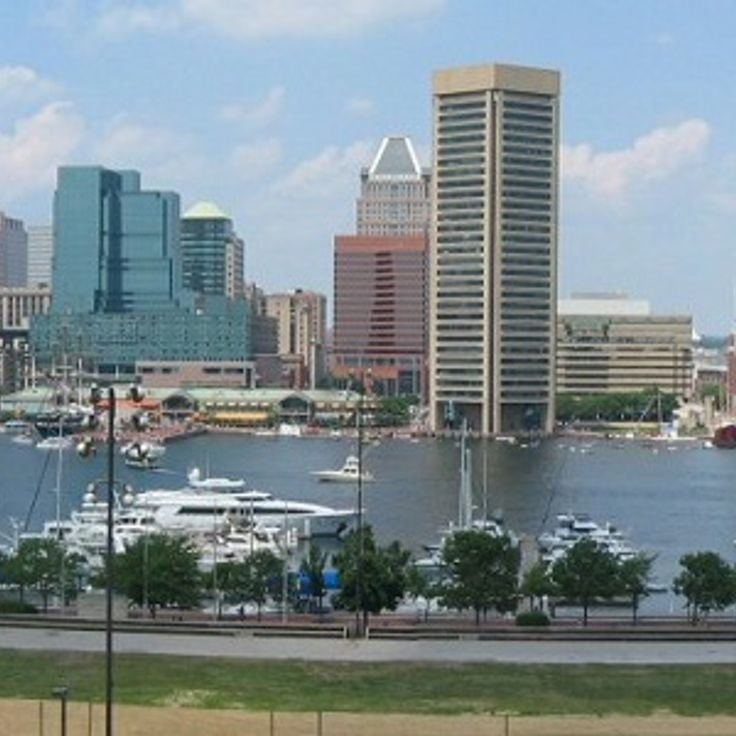
Baltimore is a port city in Maryland on the East Coast of the US. In Joël Dicker's novel "The Book of the Baltimores", it plays a central role: the city forms the backdrop of a family story that unfolds over several decades. Walking through Baltimore's streets, you can recognize the places that Dicker brings to life in his book.
Lake Mount Pleasant in New Hampshire is the main setting for Joël Dicker's novel "The Alaska Sanders Affair". The criminal investigation at the heart of the story unfolds along its shores. The forests and small towns of the region give the book much of its character.
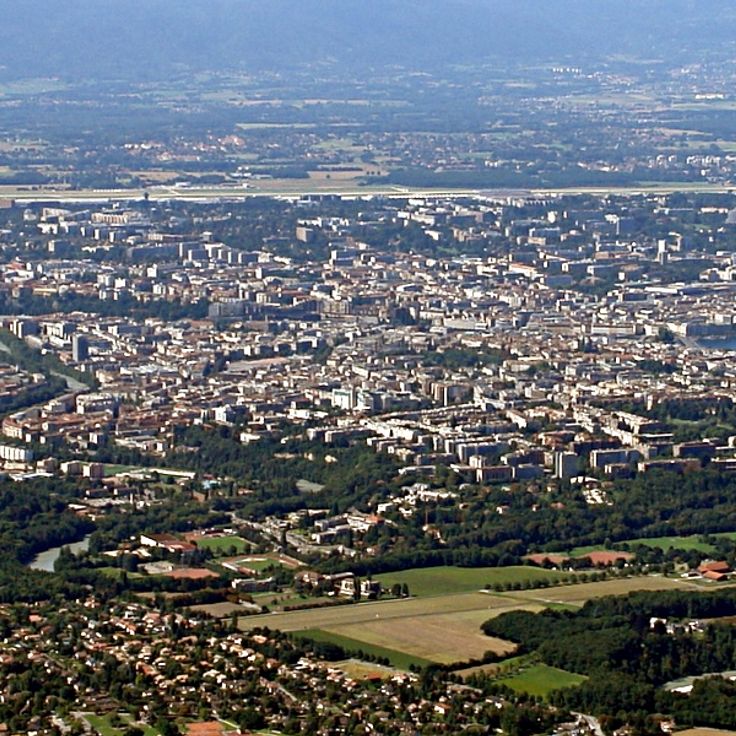
Geneva is the city where Joël Dicker was born, and it appears in several of his novels. The old town, the lake shores, and the residential neighborhoods where he grew up serve as the backdrop for his stories. Walking through Geneva, readers can recognize the places that shaped his writing.
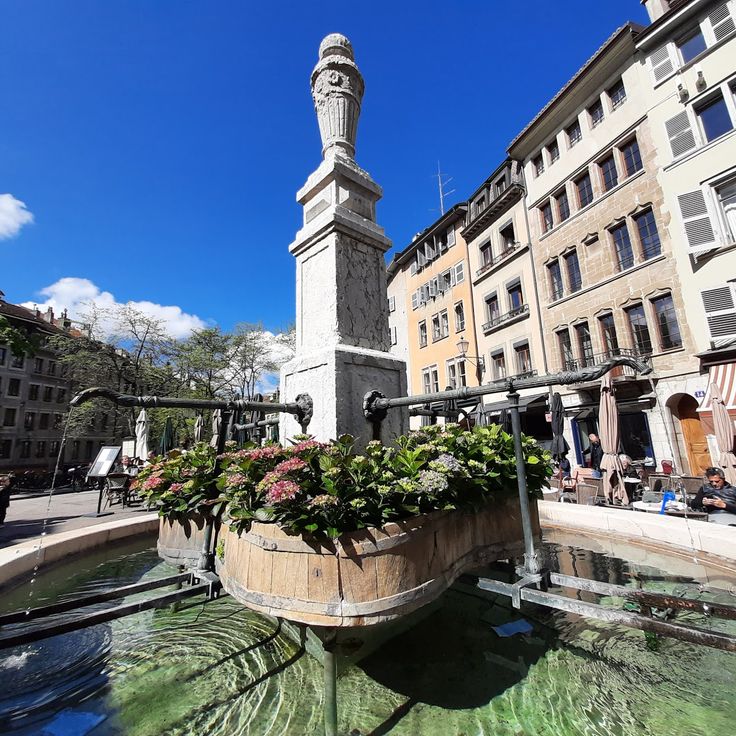
The old town of Geneva, with its narrow streets and old buildings, appears in several of Joël Dicker's novels. Readers of his thrillers will recognize the streets where the author grew up and where some of his criminal plots unfold.
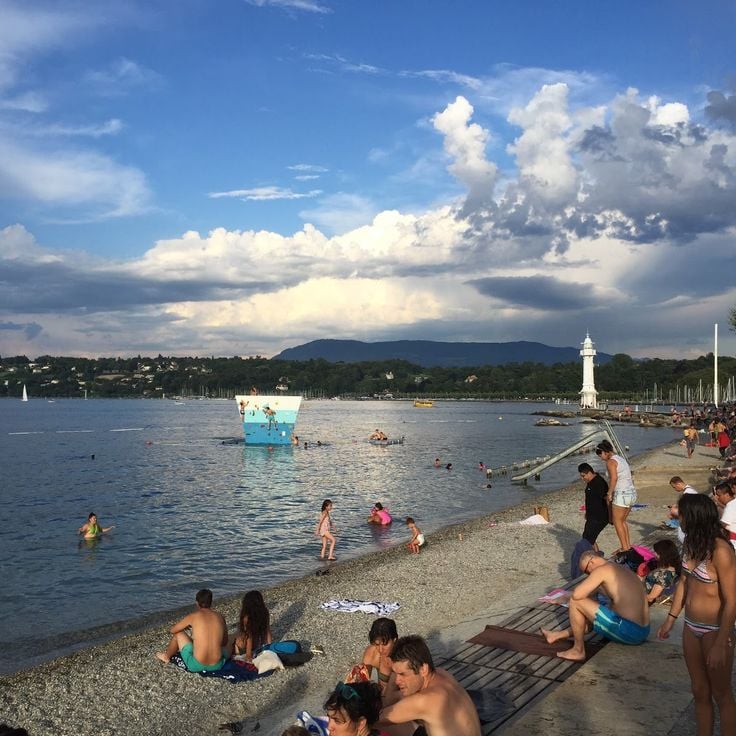
The Bains des Pâquis is an open-air swimming spot on the shore of Lake Geneva, right in the heart of Geneva. Joël Dicker grew up in this city, and places like this one shaped the daily life he portrays in his novels. People come here to swim, eat, or simply sit by the water. There is something familiar and unpretentious about it that matches the tone Dicker uses when writing about Geneva.
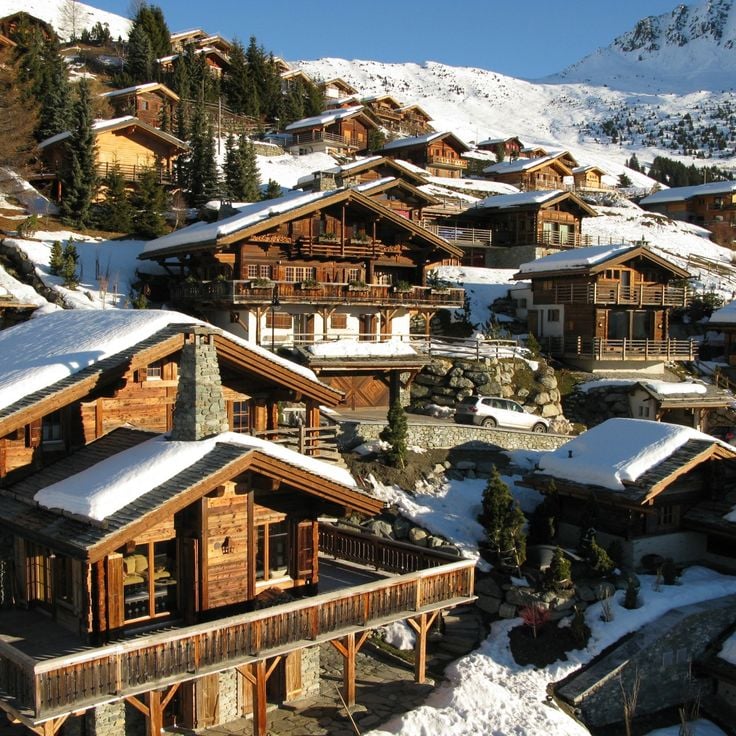
Verbier is a ski resort in the Swiss canton of Valais that inspired the setting of Joël Dicker's novel 'The Mystery of Room 622'. The mountain hotel, the snowy slopes and the daily life of this Alpine village shaped the story directly. Readers of the book will recognize the places that frame the crime.
Lake Geneva stretches between Switzerland and France and appears in several of Joël Dicker's novels. The wide water and the surrounding peaks set the tone for scenes where tension hides just beneath the surface of everyday life. Walking along its shores, you quickly understand why this lake has left such a mark on the writing of the Geneva-born author.
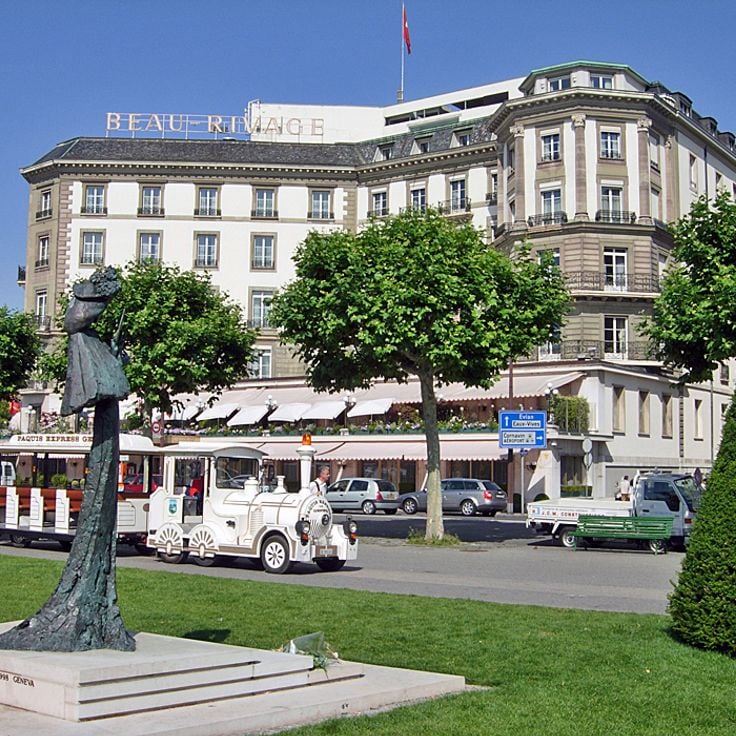
The Beau-Rivage Genève sits on the shore of Lake Geneva and is one of the oldest grand hotels in the city. Its hushed lounges and discreet corridors reflect the image of Geneva's financial world that Joël Dicker draws in his novels. Walking through its doors feels like stepping into one of his stories.
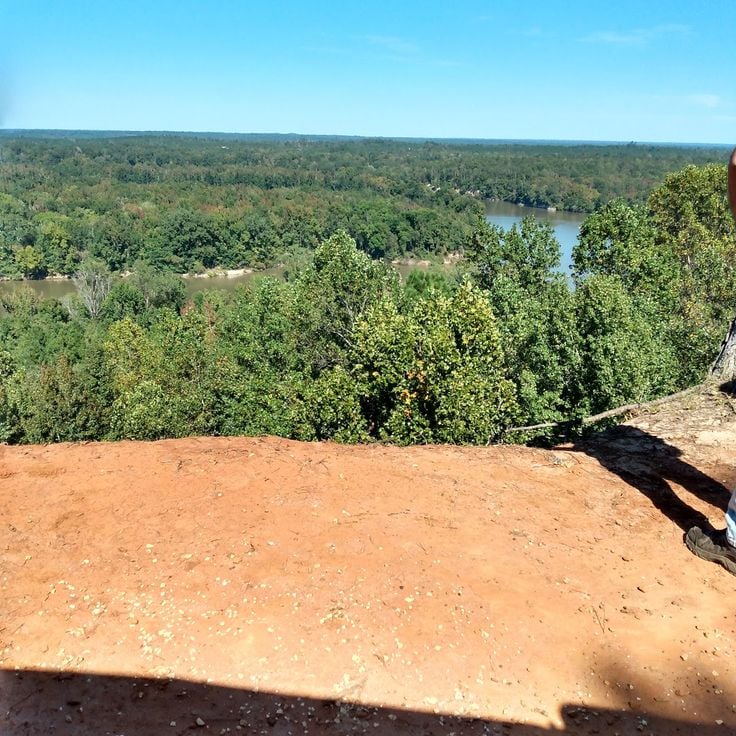
Jackson is a small city in Alabama, in the deep South of the United States. Joël Dicker uses this real place in his novels as a backdrop where ordinary life and buried secrets sit side by side. Walking through Jackson, you can feel the slow, heavy stillness that gives his thrillers their particular tone.
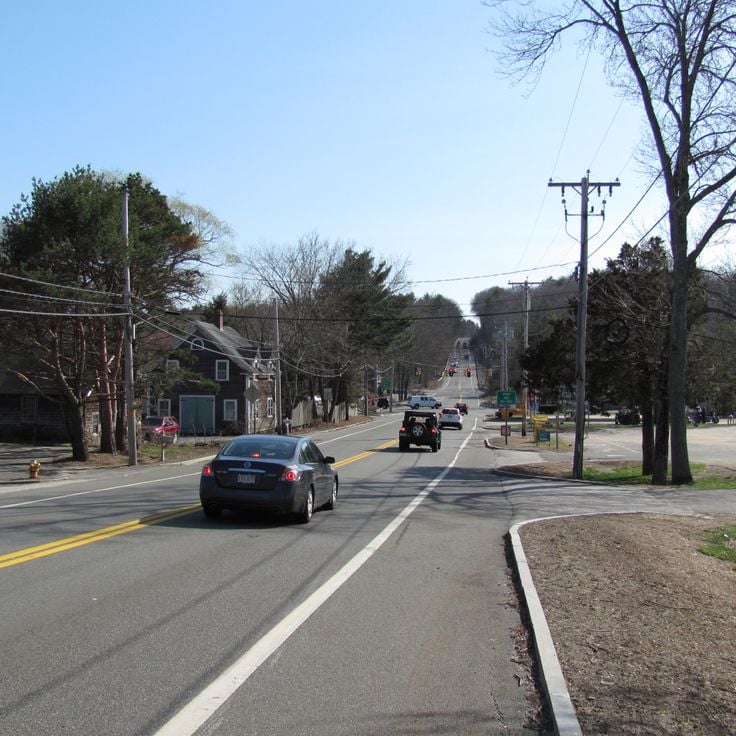
U.S. Route 1 is one of the oldest roads on the East Coast. It winds through small towns, forests, and stretches of coastline that Joël Dicker uses as backdrops in his thrillers. Driving along it, you recognize the landscapes his characters move through as they investigate or run from danger.
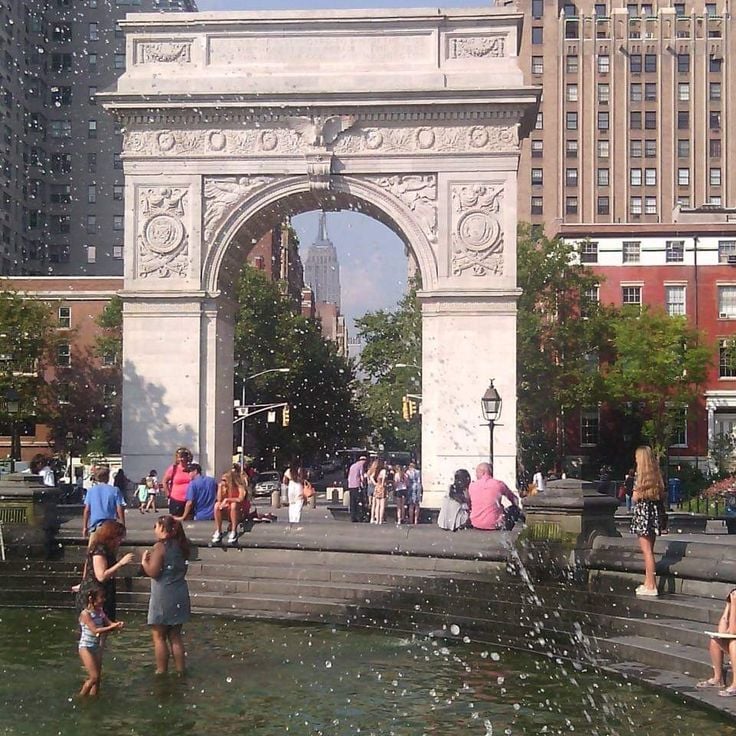
Greenwich Village is a neighborhood on the west side of Manhattan that Joël Dicker chose as the home of Marcus Goldman, the young writer at the heart of his crime novels. Its streets are lined with brick houses, small cafés, and bookshops on the ground floors. The neighborhood has long drawn writers and artists, and that history can still be felt as you walk through it today.
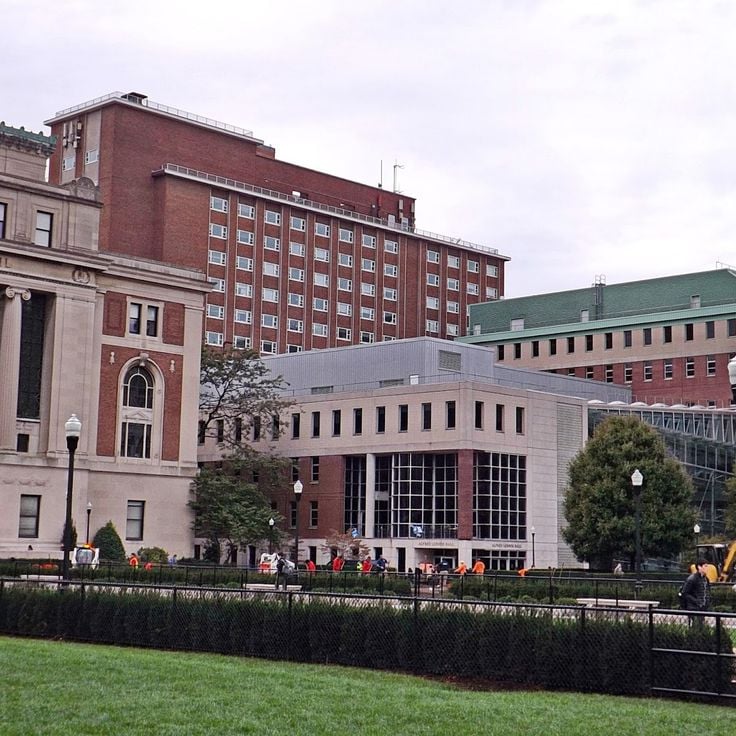
Columbia University sits in the northern part of Manhattan and is one of the most recognized universities on the US East Coast. In Joël Dicker's novels, characters who are writers or journalists often move through academic settings like this one. The campus, with its stone buildings and open courtyards, gives shape to the intellectual world that runs through his thrillers.
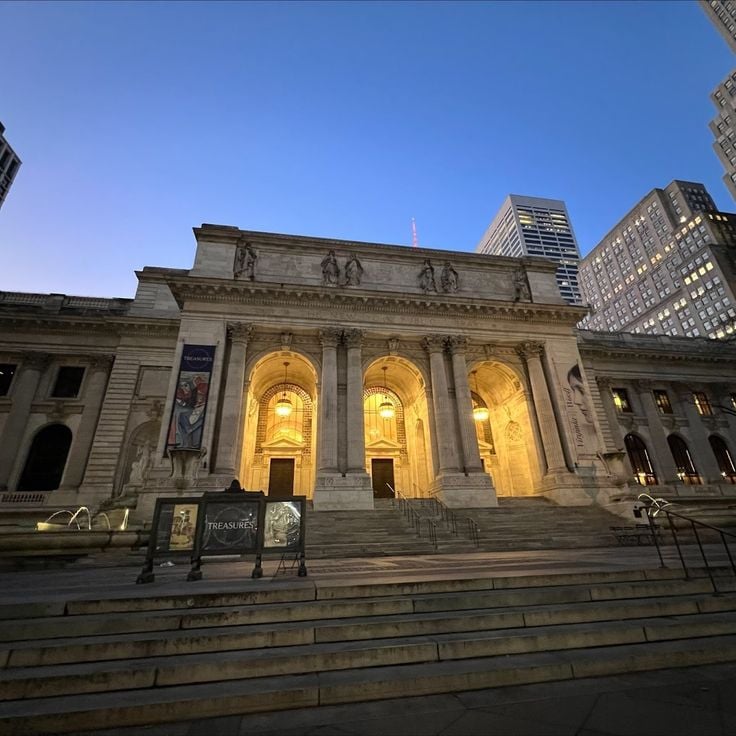
The New York Public Library is one of the most recognizable libraries in the world. In Joël Dicker's novels, it appears as part of the world of writing and publishing. Its reading rooms, wide stone staircases, and long corridors carry exactly the feeling Dicker brings to his thrillers: a world where books, power, and secrets sit close together.
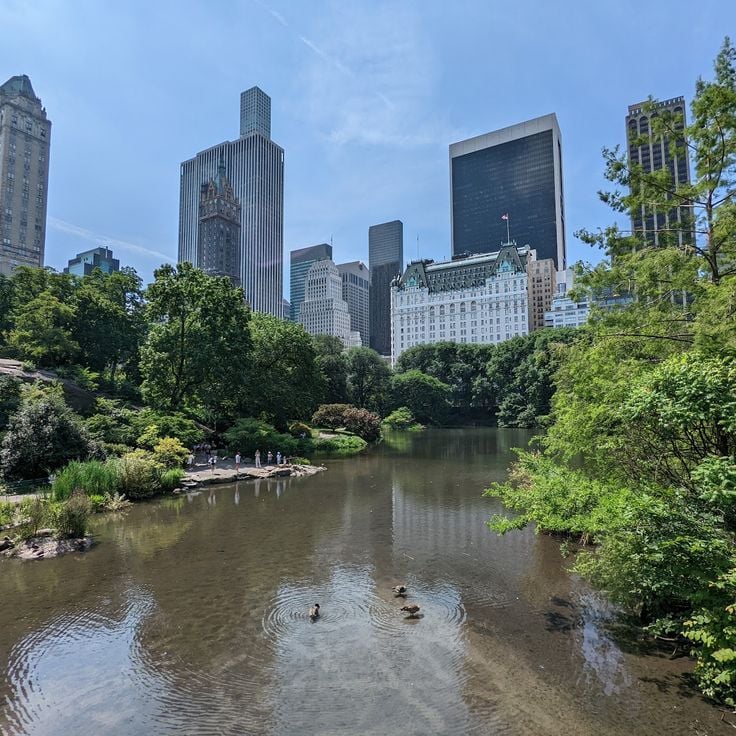
Central Park sits in the middle of Manhattan, stretching between the city's tall buildings. In Joël Dicker's novels, this park is part of the daily life of Marcus Goldman, a writer whose story takes the reader through New York life on the East Coast. Walking through it, you quickly understand why so many stories are set here.
The Upper West Side is a residential neighborhood in Manhattan where writers and intellectuals have lived for generations. In Joël Dicker's novels, this New York literary world plays a real part. Walking through its streets helps you understand why the author chose this place as the setting for some of his stories.
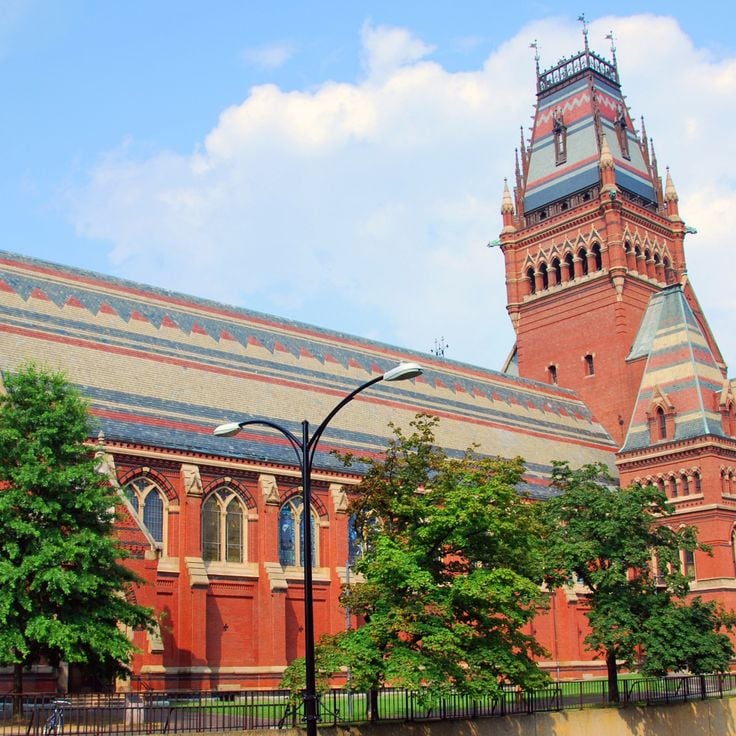
Harvard University in Cambridge, Massachusetts, is one of the most recognized universities in the world. In Joël Dicker's thrillers, some characters move through this kind of academic world, shaped by its codes and rivalries. The brick buildings, the courtyards, and the general seriousness of the campus give a sense of the intellectual setting that runs through his stories.
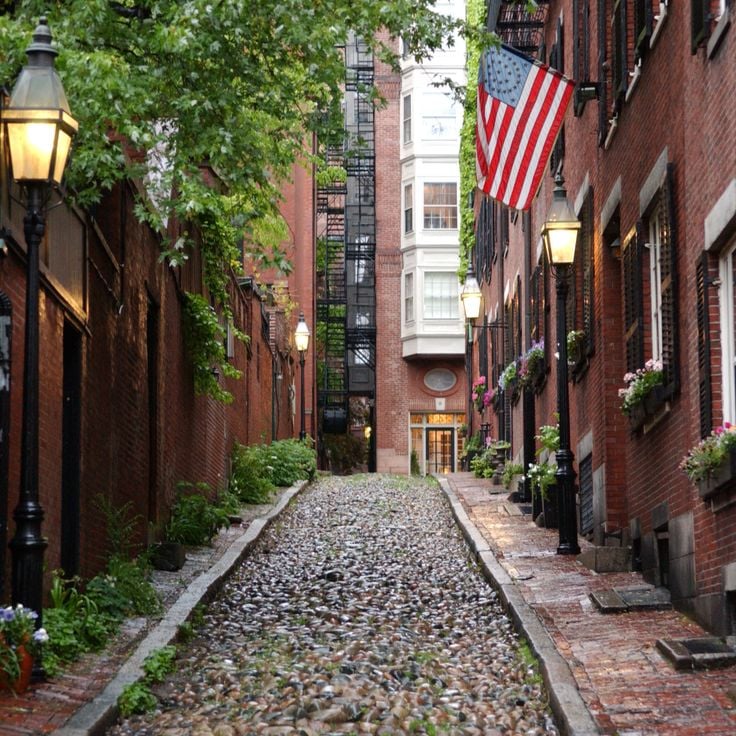
Beacon Hill is a historic neighborhood in Boston, Massachusetts. Its brick row houses and narrow cobblestone streets give it the feel of a place where old money and social status have long shaped daily life. Joël Dicker drew on this kind of setting when writing about the powerful families at the heart of his thrillers. Walking through Beacon Hill, you get a sense of the world his characters move in.
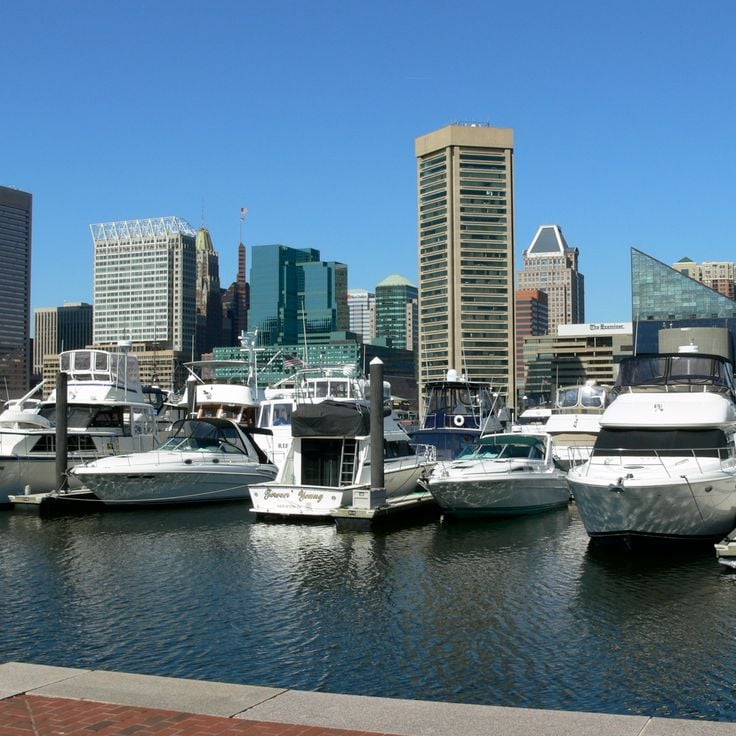
Inner Harbor is the heart of Baltimore, right on the water. In Joël Dicker's novel 'The Book of the Baltimores', this neighborhood plays a central role in the story of the Goldman family. Walking along the docks and looking at the old buildings, you can understand why the author chose this place to set his story.
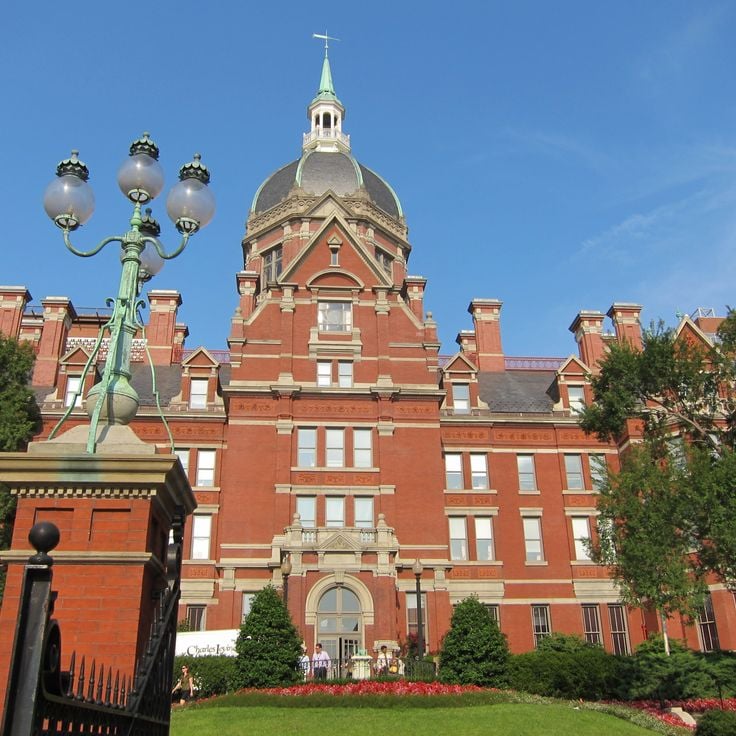
Johns Hopkins University in Baltimore appears in Joël Dicker's novels as a place that shapes the lives of his characters. The campus carries the weight of academic ambition and family expectations, two forces that run through his stories. Walking through it, you can feel the kind of social pressure that fuels many of the tensions he describes.
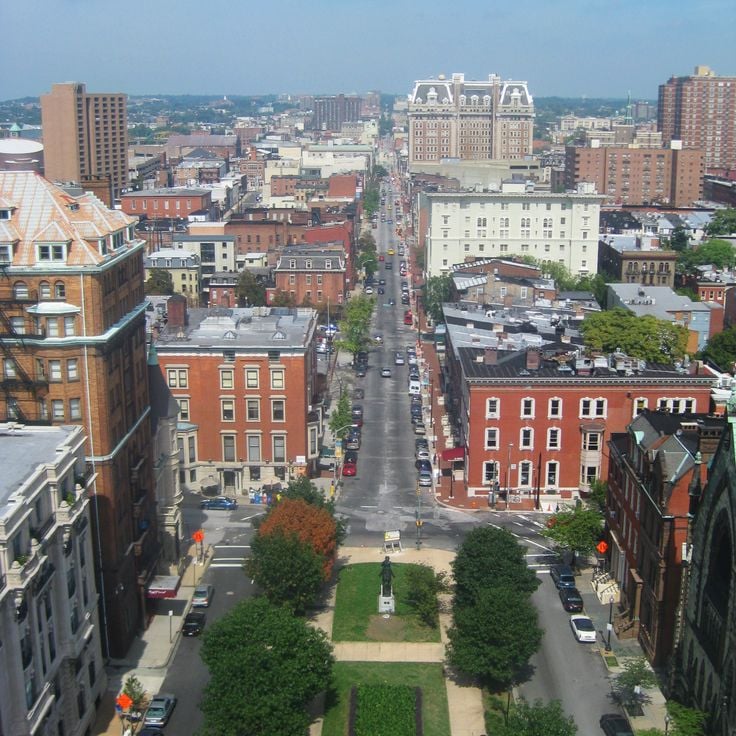
Mount Vernon is an old neighborhood in Baltimore, Maryland. Its streets are lined with 19th-century stone buildings, and the squares feel like they belong to another era. Joël Dicker often draws on settings like this in his American thrillers, where his characters move through shadowy alleys and busy squares. Walking through Mount Vernon, it is easy to see why this place could spark a writer's imagination.
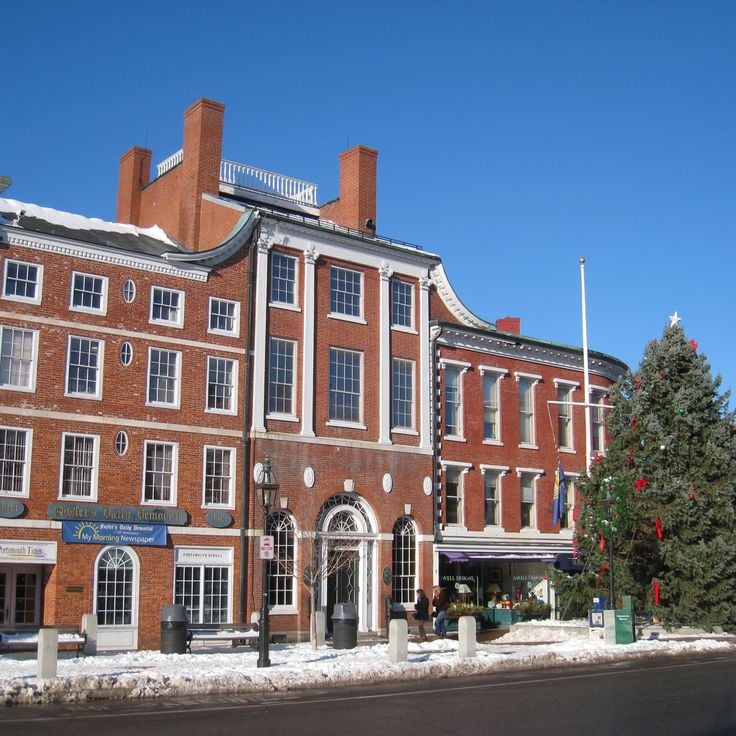
Portsmouth is a coastal city in New Hampshire that Joël Dicker used as a backdrop for his thrillers. Walking through its old streets, you get a feel for the New England coast that runs through his novels: small harbors, wooden houses, and a quiet mood that can quickly turn into something darker.
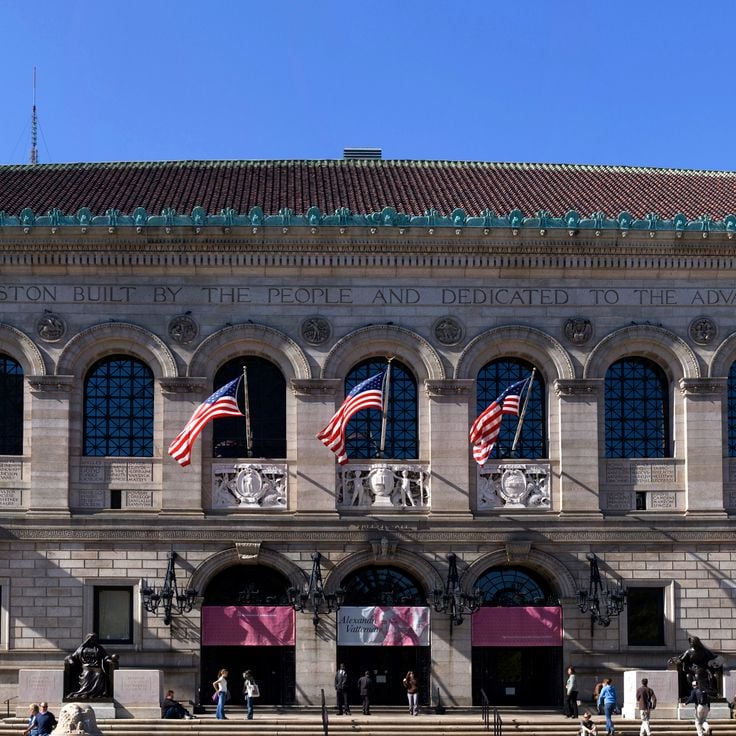
The Boston Public Library sits in the Back Bay neighborhood and is one of the oldest public libraries in the US. Its 19th-century building has large reading rooms, murals, and an open courtyard. Joël Dicker often sets his thrillers against the literary and academic world of the East Coast, and the Boston Public Library is exactly the kind of place that shapes that world.
Hampton Beach is a beach on the coast of New Hampshire. Joel Dicker was inspired by it to create the fictional town of Aurora in his books. Walking through it, you see the image of this small American seaside town that runs through his stories and brings his criminal investigations to life.
Concord is the capital of New Hampshire and appears in Joël Dicker's Harry Quebert novels. Walking through it, you notice wide streets, red brick buildings, and the slow pace of a small administrative town in New England. The city provides the geographic backdrop for the investigations that Dicker sets in this part of the American East Coast.
Mount Pleasant is a town in New Hampshire that sits at the heart of Joël Dicker's novel Alaska Sanders. Walking through its streets, you can feel how the author drew on this setting to build a story full of tension and hidden secrets.
Rockland is a coastal town in Maine that shaped the world of Joël Dicker's crime novels. The harbor, the low streets, and the slow rhythm of daily life along the East Coast give his books their sense of place. Walking through Rockland, you start to recognize the corners and moods that show up in his stories.
New York appears in Joël Dicker's novels as a city that Marcus Goldman, his central character, knows well. The streets, the noise, and the rhythm of daily life form the backdrop for part of the criminal plots that Dicker develops throughout his books. Readers familiar with the novels look at the city in a different way.
Boston is a city in Massachusetts on the East Coast of the United States. In Joël Dicker's novels, it is the home of writer Marcus Goldman, the city from which he conducts his investigations. Walking through its old neighborhoods, with their brick buildings and busy streets, helps you understand why Dicker chose this city as the backdrop for his character's daily life.
Baltimore is a port city in Maryland on the East Coast of the US. In Joël Dicker's novel "The Book of the Baltimores", it plays a central role: the city forms the backdrop of a family story that unfolds over several decades. Walking through Baltimore's streets, you can recognize the places that Dicker brings to life in his book.
Lake Mount Pleasant in New Hampshire is the main setting for Joël Dicker's novel "The Alaska Sanders Affair". The criminal investigation at the heart of the story unfolds along its shores. The forests and small towns of the region give the book much of its character.
Geneva is the city where Joël Dicker was born, and it appears in several of his novels. The old town, the lake shores, and the residential neighborhoods where he grew up serve as the backdrop for his stories. Walking through Geneva, readers can recognize the places that shaped his writing.
The old town of Geneva, with its narrow streets and old buildings, appears in several of Joël Dicker's novels. Readers of his thrillers will recognize the streets where the author grew up and where some of his criminal plots unfold.
The Bains des Pâquis is an open-air swimming spot on the shore of Lake Geneva, right in the heart of Geneva. Joël Dicker grew up in this city, and places like this one shaped the daily life he portrays in his novels. People come here to swim, eat, or simply sit by the water. There is something familiar and unpretentious about it that matches the tone Dicker uses when writing about Geneva.
Verbier is a ski resort in the Swiss canton of Valais that inspired the setting of Joël Dicker's novel 'The Mystery of Room 622'. The mountain hotel, the snowy slopes and the daily life of this Alpine village shaped the story directly. Readers of the book will recognize the places that frame the crime.
Lake Geneva stretches between Switzerland and France and appears in several of Joël Dicker's novels. The wide water and the surrounding peaks set the tone for scenes where tension hides just beneath the surface of everyday life. Walking along its shores, you quickly understand why this lake has left such a mark on the writing of the Geneva-born author.
The Beau-Rivage Genève sits on the shore of Lake Geneva and is one of the oldest grand hotels in the city. Its hushed lounges and discreet corridors reflect the image of Geneva's financial world that Joël Dicker draws in his novels. Walking through its doors feels like stepping into one of his stories.
Jackson is a small city in Alabama, in the deep South of the United States. Joël Dicker uses this real place in his novels as a backdrop where ordinary life and buried secrets sit side by side. Walking through Jackson, you can feel the slow, heavy stillness that gives his thrillers their particular tone.
U.S. Route 1 is one of the oldest roads on the East Coast. It winds through small towns, forests, and stretches of coastline that Joël Dicker uses as backdrops in his thrillers. Driving along it, you recognize the landscapes his characters move through as they investigate or run from danger.
Greenwich Village is a neighborhood on the west side of Manhattan that Joël Dicker chose as the home of Marcus Goldman, the young writer at the heart of his crime novels. Its streets are lined with brick houses, small cafés, and bookshops on the ground floors. The neighborhood has long drawn writers and artists, and that history can still be felt as you walk through it today.
Columbia University sits in the northern part of Manhattan and is one of the most recognized universities on the US East Coast. In Joël Dicker's novels, characters who are writers or journalists often move through academic settings like this one. The campus, with its stone buildings and open courtyards, gives shape to the intellectual world that runs through his thrillers.
The New York Public Library is one of the most recognizable libraries in the world. In Joël Dicker's novels, it appears as part of the world of writing and publishing. Its reading rooms, wide stone staircases, and long corridors carry exactly the feeling Dicker brings to his thrillers: a world where books, power, and secrets sit close together.
Central Park sits in the middle of Manhattan, stretching between the city's tall buildings. In Joël Dicker's novels, this park is part of the daily life of Marcus Goldman, a writer whose story takes the reader through New York life on the East Coast. Walking through it, you quickly understand why so many stories are set here.
The Upper West Side is a residential neighborhood in Manhattan where writers and intellectuals have lived for generations. In Joël Dicker's novels, this New York literary world plays a real part. Walking through its streets helps you understand why the author chose this place as the setting for some of his stories.
Harvard University in Cambridge, Massachusetts, is one of the most recognized universities in the world. In Joël Dicker's thrillers, some characters move through this kind of academic world, shaped by its codes and rivalries. The brick buildings, the courtyards, and the general seriousness of the campus give a sense of the intellectual setting that runs through his stories.
Beacon Hill is a historic neighborhood in Boston, Massachusetts. Its brick row houses and narrow cobblestone streets give it the feel of a place where old money and social status have long shaped daily life. Joël Dicker drew on this kind of setting when writing about the powerful families at the heart of his thrillers. Walking through Beacon Hill, you get a sense of the world his characters move in.
Inner Harbor is the heart of Baltimore, right on the water. In Joël Dicker's novel 'The Book of the Baltimores', this neighborhood plays a central role in the story of the Goldman family. Walking along the docks and looking at the old buildings, you can understand why the author chose this place to set his story.
Johns Hopkins University in Baltimore appears in Joël Dicker's novels as a place that shapes the lives of his characters. The campus carries the weight of academic ambition and family expectations, two forces that run through his stories. Walking through it, you can feel the kind of social pressure that fuels many of the tensions he describes.
Mount Vernon is an old neighborhood in Baltimore, Maryland. Its streets are lined with 19th-century stone buildings, and the squares feel like they belong to another era. Joël Dicker often draws on settings like this in his American thrillers, where his characters move through shadowy alleys and busy squares. Walking through Mount Vernon, it is easy to see why this place could spark a writer's imagination.
Portsmouth is a coastal city in New Hampshire that Joël Dicker used as a backdrop for his thrillers. Walking through its old streets, you get a feel for the New England coast that runs through his novels: small harbors, wooden houses, and a quiet mood that can quickly turn into something darker.
The Boston Public Library sits in the Back Bay neighborhood and is one of the oldest public libraries in the US. Its 19th-century building has large reading rooms, murals, and an open courtyard. Joël Dicker often sets his thrillers against the literary and academic world of the East Coast, and the Boston Public Library is exactly the kind of place that shapes that world.
Hampton Beach is a beach on the coast of New Hampshire. Joel Dicker was inspired by it to create the fictional town of Aurora in his books. Walking through it, you see the image of this small American seaside town that runs through his stories and brings his criminal investigations to life.
Concord is the capital of New Hampshire and appears in Joël Dicker's Harry Quebert novels. Walking through it, you notice wide streets, red brick buildings, and the slow pace of a small administrative town in New England. The city provides the geographic backdrop for the investigations that Dicker sets in this part of the American East Coast.
Mount Pleasant is a town in New Hampshire that sits at the heart of Joël Dicker's novel Alaska Sanders. Walking through its streets, you can feel how the author drew on this setting to build a story full of tension and hidden secrets.
Rockland is a coastal town in Maine that shaped the world of Joël Dicker's crime novels. The harbor, the low streets, and the slow rhythm of daily life along the East Coast give his books their sense of place. Walking through Rockland, you start to recognize the corners and moods that show up in his stories.
New York appears in Joël Dicker's novels as a city that Marcus Goldman, his central character, knows well. The streets, the noise, and the rhythm of daily life form the backdrop for part of the criminal plots that Dicker develops throughout his books. Readers familiar with the novels look at the city in a different way.
Boston is a city in Massachusetts on the East Coast of the United States. In Joël Dicker's novels, it is the home of writer Marcus Goldman, the city from which he conducts his investigations. Walking through its old neighborhoods, with their brick buildings and busy streets, helps you understand why Dicker chose this city as the backdrop for his character's daily life.
Baltimore is a port city in Maryland on the East Coast of the US. In Joël Dicker's novel "The Book of the Baltimores", it plays a central role: the city forms the backdrop of a family story that unfolds over several decades. Walking through Baltimore's streets, you can recognize the places that Dicker brings to life in his book.
Lake Mount Pleasant in New Hampshire is the main setting for Joël Dicker's novel "The Alaska Sanders Affair". The criminal investigation at the heart of the story unfolds along its shores. The forests and small towns of the region give the book much of its character.
Geneva is the city where Joël Dicker was born, and it appears in several of his novels. The old town, the lake shores, and the residential neighborhoods where he grew up serve as the backdrop for his stories. Walking through Geneva, readers can recognize the places that shaped his writing.
The old town of Geneva, with its narrow streets and old buildings, appears in several of Joël Dicker's novels. Readers of his thrillers will recognize the streets where the author grew up and where some of his criminal plots unfold.
The Bains des Pâquis is an open-air swimming spot on the shore of Lake Geneva, right in the heart of Geneva. Joël Dicker grew up in this city, and places like this one shaped the daily life he portrays in his novels. People come here to swim, eat, or simply sit by the water. There is something familiar and unpretentious about it that matches the tone Dicker uses when writing about Geneva.
Verbier is a ski resort in the Swiss canton of Valais that inspired the setting of Joël Dicker's novel 'The Mystery of Room 622'. The mountain hotel, the snowy slopes and the daily life of this Alpine village shaped the story directly. Readers of the book will recognize the places that frame the crime.
Lake Geneva stretches between Switzerland and France and appears in several of Joël Dicker's novels. The wide water and the surrounding peaks set the tone for scenes where tension hides just beneath the surface of everyday life. Walking along its shores, you quickly understand why this lake has left such a mark on the writing of the Geneva-born author.
The Beau-Rivage Genève sits on the shore of Lake Geneva and is one of the oldest grand hotels in the city. Its hushed lounges and discreet corridors reflect the image of Geneva's financial world that Joël Dicker draws in his novels. Walking through its doors feels like stepping into one of his stories.
Jackson is a small city in Alabama, in the deep South of the United States. Joël Dicker uses this real place in his novels as a backdrop where ordinary life and buried secrets sit side by side. Walking through Jackson, you can feel the slow, heavy stillness that gives his thrillers their particular tone.
U.S. Route 1 is one of the oldest roads on the East Coast. It winds through small towns, forests, and stretches of coastline that Joël Dicker uses as backdrops in his thrillers. Driving along it, you recognize the landscapes his characters move through as they investigate or run from danger.
Greenwich Village is a neighborhood on the west side of Manhattan that Joël Dicker chose as the home of Marcus Goldman, the young writer at the heart of his crime novels. Its streets are lined with brick houses, small cafés, and bookshops on the ground floors. The neighborhood has long drawn writers and artists, and that history can still be felt as you walk through it today.
Columbia University sits in the northern part of Manhattan and is one of the most recognized universities on the US East Coast. In Joël Dicker's novels, characters who are writers or journalists often move through academic settings like this one. The campus, with its stone buildings and open courtyards, gives shape to the intellectual world that runs through his thrillers.
The New York Public Library is one of the most recognizable libraries in the world. In Joël Dicker's novels, it appears as part of the world of writing and publishing. Its reading rooms, wide stone staircases, and long corridors carry exactly the feeling Dicker brings to his thrillers: a world where books, power, and secrets sit close together.
Central Park sits in the middle of Manhattan, stretching between the city's tall buildings. In Joël Dicker's novels, this park is part of the daily life of Marcus Goldman, a writer whose story takes the reader through New York life on the East Coast. Walking through it, you quickly understand why so many stories are set here.
The Upper West Side is a residential neighborhood in Manhattan where writers and intellectuals have lived for generations. In Joël Dicker's novels, this New York literary world plays a real part. Walking through its streets helps you understand why the author chose this place as the setting for some of his stories.
Harvard University in Cambridge, Massachusetts, is one of the most recognized universities in the world. In Joël Dicker's thrillers, some characters move through this kind of academic world, shaped by its codes and rivalries. The brick buildings, the courtyards, and the general seriousness of the campus give a sense of the intellectual setting that runs through his stories.
Beacon Hill is a historic neighborhood in Boston, Massachusetts. Its brick row houses and narrow cobblestone streets give it the feel of a place where old money and social status have long shaped daily life. Joël Dicker drew on this kind of setting when writing about the powerful families at the heart of his thrillers. Walking through Beacon Hill, you get a sense of the world his characters move in.
Inner Harbor is the heart of Baltimore, right on the water. In Joël Dicker's novel 'The Book of the Baltimores', this neighborhood plays a central role in the story of the Goldman family. Walking along the docks and looking at the old buildings, you can understand why the author chose this place to set his story.
Johns Hopkins University in Baltimore appears in Joël Dicker's novels as a place that shapes the lives of his characters. The campus carries the weight of academic ambition and family expectations, two forces that run through his stories. Walking through it, you can feel the kind of social pressure that fuels many of the tensions he describes.
Mount Vernon is an old neighborhood in Baltimore, Maryland. Its streets are lined with 19th-century stone buildings, and the squares feel like they belong to another era. Joël Dicker often draws on settings like this in his American thrillers, where his characters move through shadowy alleys and busy squares. Walking through Mount Vernon, it is easy to see why this place could spark a writer's imagination.
Portsmouth is a coastal city in New Hampshire that Joël Dicker used as a backdrop for his thrillers. Walking through its old streets, you get a feel for the New England coast that runs through his novels: small harbors, wooden houses, and a quiet mood that can quickly turn into something darker.
The Boston Public Library sits in the Back Bay neighborhood and is one of the oldest public libraries in the US. Its 19th-century building has large reading rooms, murals, and an open courtyard. Joël Dicker often sets his thrillers against the literary and academic world of the East Coast, and the Boston Public Library is exactly the kind of place that shapes that world.
If you read a novel by Joël Dicker, walk through these places to understand how the author turns real life into suspense. The cities and streets he describes are real, and this experience makes his stories feel more alive. Try visiting these places outside of the busy times, when you can better feel the daily rhythm and see them as Dicker saw them.