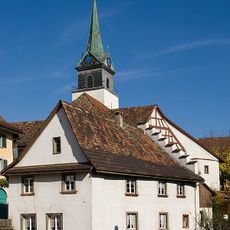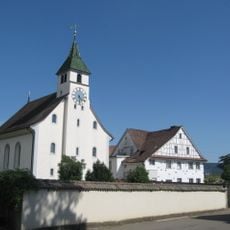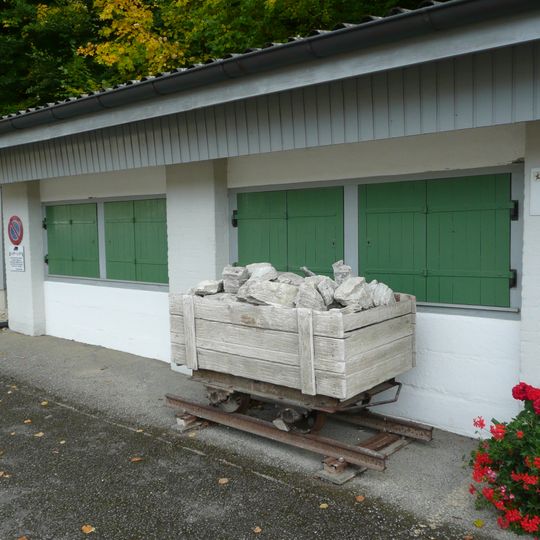
Gipsmuseum Schleitheim, Mining museum in Schleitheim, Switzerland
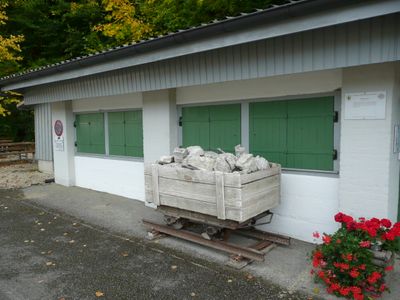
The Gipsmuseum Schleitheim occupies a historic mining tunnel where visitors can see geological layers and the tools workers once used to extract gypsum. The exhibition explains how miners dug and processed the mineral, showing the methods from underground extraction to final uses.
Gypsum was first mined underground here in 1790, after earlier open-pit working; the oldest written record of Schleitheim gypsum is a 1709 entry on the interior of Rheinau Abbey church. The Swiss Gypsum Union bought the works in 1903 and shut them down. Mining resumed in 1927, a new adit opened in 1936, and extraction ended for good in 1944. The Stamm family, printers and last operators of the mine, set up the museum in 1938.
Schleitheim gypsum was sold far beyond the canton: about 70 percent went to agriculture as Ackergips, which bound ammonia and improved soil fertility, especially for clover. The rest was burned for construction, including the stucco ceilings of the Baroque and Rococo periods. In 1860, 180,000 hundredweight of gypsum stone were quarried.
Access is through the historic tunnel, which is walkable but cool and damp underground. Wear sturdy shoes and bring a jacket, as conditions inside remain chilly throughout the year.
The last gypsum mine operator's family, the Stamm printing family, opened the museum in 1938 and guided visitors into the mine. In 1992 the partly collapsed access tunnel was made walkable again, secured and electrically lit. The 1996 renovation added displays on gypsum formation, tools, and processing in a stamping mill and mill.
The community of curious travelers
AroundUs brings together thousands of curated places, local tips, and hidden gems, enriched daily by 92,846 contributors worldwide.