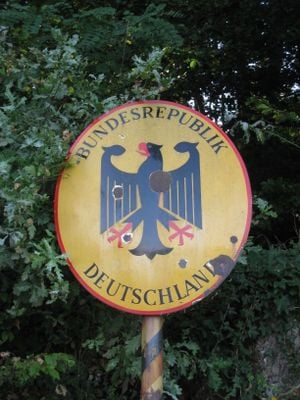
Germany–Switzerland border, International border in Central Europe.
This boundary runs for 362 kilometers, tracking Lake Constance and the High Rhine through changing terrain. The line separates two countries with distinct administrations, customs rules and currencies.
The Congress of Vienna drew this line in 1815, acknowledging Swiss neutrality. Since then the route has stayed largely the same, apart from minor adjustments along rivers.
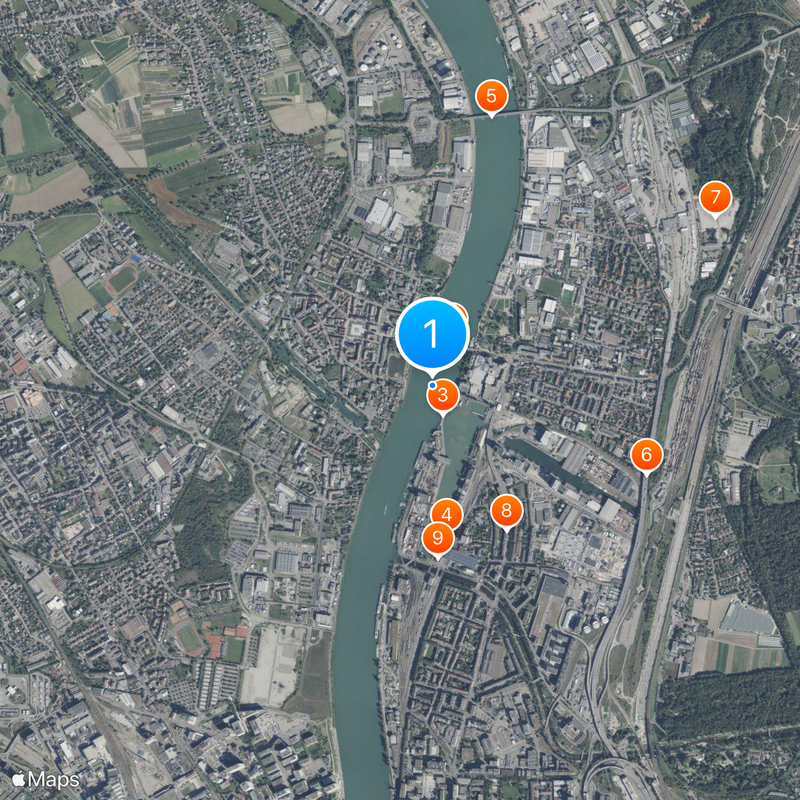
Daily life near the boundary shows a natural back-and-forth as people cross for work or shopping, especially around Basel. Shared language and similar habits connect residents on both sides in their everyday routines.
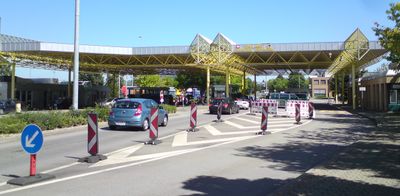
Many crossing points show no physical barrier, but customs checks do occur because Switzerland lies outside the customs union. Travelers should carry valid identity documents and learn basic import rules.
Büsingen am Hochrhein sits entirely surrounded by Swiss territory yet remains German soil and often relies on Swiss services for daily needs. This arrangement arose from historical border decisions that left the village isolated from the rest of Germany.
The community of curious travelers
AroundUs brings together thousands of curated places, local tips, and hidden gems, enriched daily by 90,853 contributors worldwide.