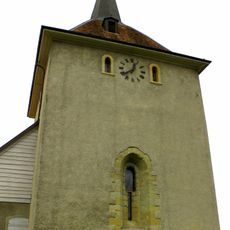
Mormont, Archaeological site and mountain summit in canton Vaud, Switzerland.
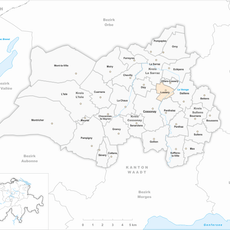
Mormont is a mountain and archaeological site in western Switzerland rising 605 meters (1,985 feet) above sea level. The summit forms a natural barrier between the Venoge and Orbe valleys, acting as a divide in the regional landscape.
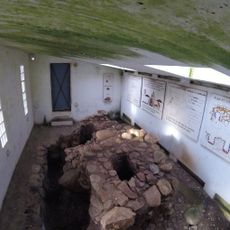
In January 2006, cantonal archaeologist Denis Weidmann had the hill surveyed, revealing a Helvetic cult site used between 120 and 80 BC. More than 250 pits dug into moraine and limestone held ceramic and bronze vessels, iron tools, jewelry, grinding stones, coins, and animal and human remains, including a complete horse skeleton imported from the south. The finds, unique in Europe for their size and richness, cast doubt on Julius Caesar's account of the Helvetii leaving their homeland in 58 BC.
The name Mormont derives from the Latin personal name Maurus, meaning "Maurus's mountain"; it was recorded as Mauromonte in 814 and as the current form by 1344. The hill was a Helvetian sanctuary between 120 and 80 BC, and the pits, skull deposits and animal bones found there changed scholarly understanding of Celtic religion.
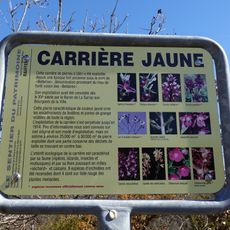
The site is accessible via marked trails starting from Eclépens village, with several routes leading to the summit. Limestone mining continues in certain areas, so some paths may be affected by ongoing extraction work.
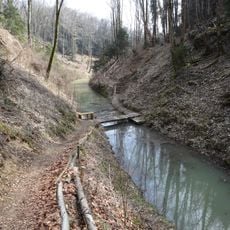
The Entreroches gorge cuts through the hill as a dry valley whose highest point lies only about 10 metres above the Orbe plain. From 1638 to 1648 the Entreroches canal was dug through it to link the Rhine and Rhone basins; the Venoge section was never completed for lack of money, and canal remains are still visible in the gorge.
The community of curious travelers
AroundUs brings together thousands of curated places, local tips, and hidden gems, enriched daily by 92,717 contributors worldwide.