Cantonal museum of Zoology, Lausanne, Zoology museum in Lausanne, Switzerland
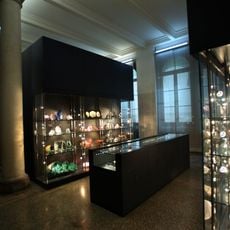
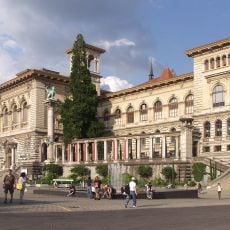
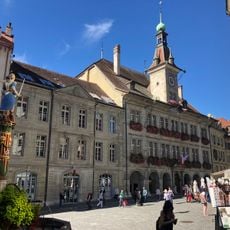
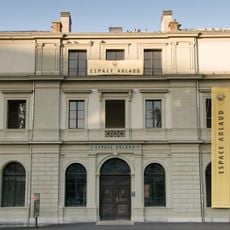
The Cantonal Museum of Zoology occupies the south wing of the Palais de Rumine in Lausanne, where it has been housed since 1909. Its permanent exhibition presents the main groups of vertebrate animals systematically, including a great white shark described as the largest mounted specimen visible in the world, a polar bear, a moose, a giraffe and a buffalo. A separate room opened in 2019 is devoted to extinct animals, and a comparative anatomy hall retains its 19th-century arrangement of jars, skeletons and two-headed specimens.
The cantonal collections were created in 1818, gathering older private natural history holdings documented in Vaud since the 18th century. Zoology took shape in 1833 with the acquisition of Daniel-Alexandre Chavannes's collection; he co-founded the Swiss Natural Science Society. After display in the Academy building, the collection moved in 1909 into the newly built Palais de Rumine, completed in 1906, where it has been shown since.
The museum's name refers to its status as the cantonal zoology collection of Vaud, housed since 1909 in the Palais de Rumine. Its comparative anatomy room, little changed since the 19th century, preserves rows of jars, skeletons and two-headed specimens once used for university teaching. Temporary exhibitions have paired the collections with artists such as Gaston Dufour and François Chapelain-Midy.
The museum sits in central Lausanne and is easily reached on foot from the main train station. Visitors should note that some areas have stairs and the collections are presented in subdued lighting.
The museum holds the world's largest cryptozoology collection, donated in 2001 by Bernard Heuvelmans, the zoologist who inspired the yeti in Hergé's Tintin au Tibet. It includes a cast of a yeti skull, hundreds of books and a large body of illustrations.
The community of curious travelers
AroundUs brings together thousands of curated places, local tips, and hidden gems, enriched daily by 93,665 contributors worldwide.