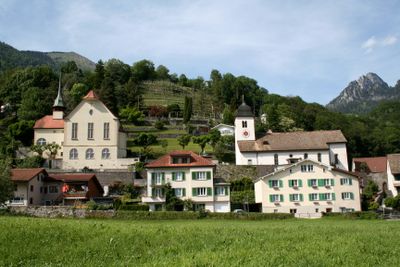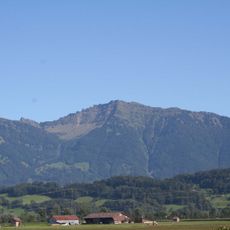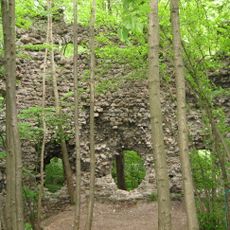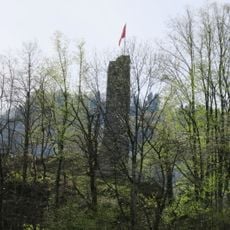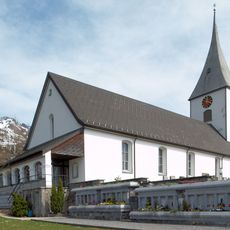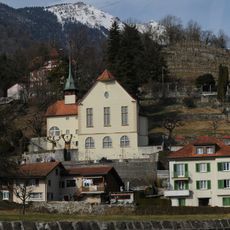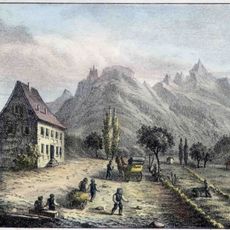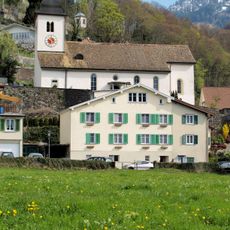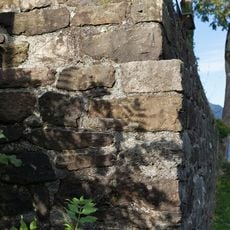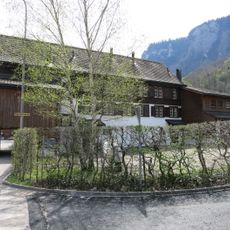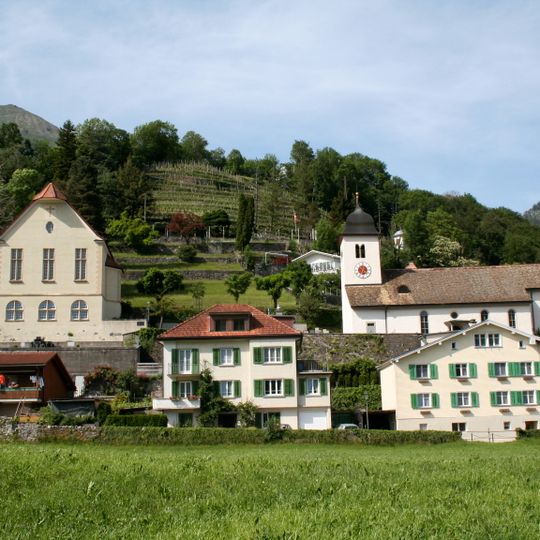
Weesen Abbey, Dominican monastery in Weesen, Switzerland.
Weesen Abbey is a Dominican nunnery in Canton St. Gallen with a compact building layout whose core dates from the late 17th century and was expanded over time. The complex combines a chapel, residential quarters, and service areas arranged for practical daily operations across generations.
The foundation started in 1232 as a Beguine community and joined the Dominican Order formally in 1256, making it Switzerland's first Dominican nunnery. This early establishment shaped its development as one of the oldest communities of this kind in the German-speaking region.
The name Maria Zuflucht (Mary, Refuge) has been used since 1699; in the 15th century the convent was called St. Verena. The nuns long followed a life of simplicity and poverty, and the community maintains close ties with the people of Weesen. At Christmas, Easter and Pentecost the sisters had to attend the parish church of Weesen.
The convent stands in the town centre at the outflow of the Linth from Walensee, at the foot of a terraced hillside. The monastery church, rebuilt between 1688 and 1690, and the grounds are not generally open for casual visits; the nuns' enclosure limits access. The community has long lived in simplicity and poverty, and its history is closely tied to the small town of Weesen.
The abbey's library holds about 8,400 works, and the buildings and archives are listed in the Swiss inventory of cultural property of national and regional significance. The community also long lived with the Linth's floods: the first recorded flood came in 1350, and in the 18th century high water struck the monastery three times, partly washing away its foundations. Plans to rebuild higher on the Gmähl hill were dropped after the Linth canal was built in the 19th century.
The community of curious travelers
AroundUs brings together thousands of curated places, local tips, and hidden gems, enriched daily by 94,349 contributors worldwide.