Ngaoundéré, Regional capital in Adamawa Region, Cameroon
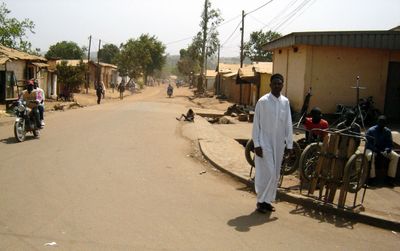
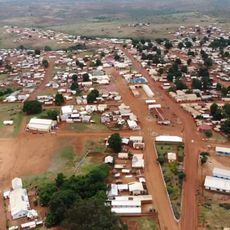
Ngaoundéré sits on the Adamawa Plateau at roughly 1,300 meters elevation and serves as the northern terminus of the Trans-Cameroon Railway network. The city spreads across hilly terrain and functions as a key junction connecting southern and northern regions by rail.
The city was founded in 1835 by Fulani leader Ardo Njobdi and became a significant German colonial outpost after 1901. Railway connections arrived in 1973 and transformed it into a major transport junction for the entire region.
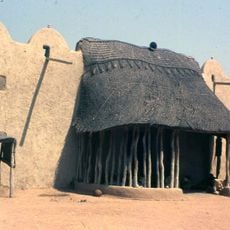
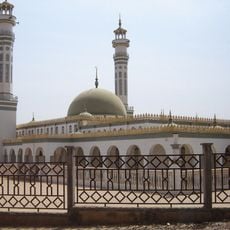
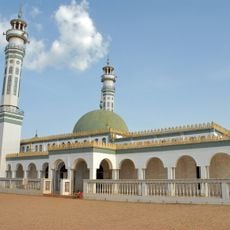
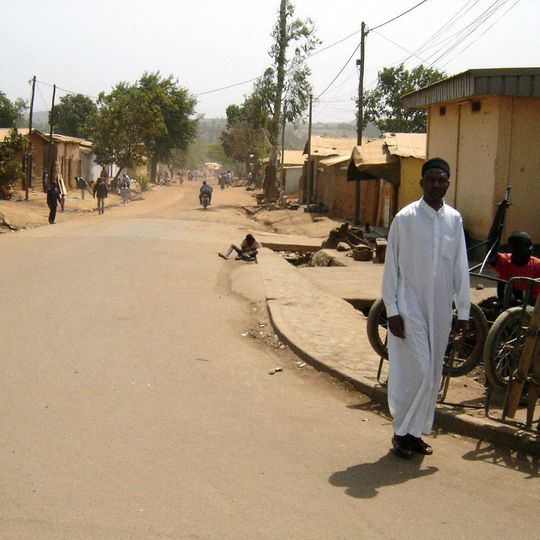
The Lamido Palace and Grand Mosque show how traditional leadership shapes daily life, with rulers maintaining both Fulani and Mbum family lines. Religious practices and architectural styles blend into the rhythm of the community.
The city sits on a plateau with a cooler climate than southern regions, which adds to visitor comfort and accessibility. Wear comfortable shoes since the terrain is hilly and pathways can be uneven.
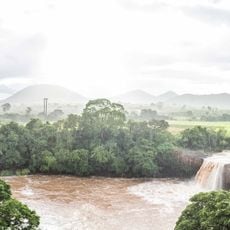
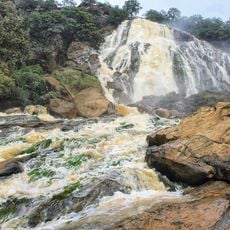
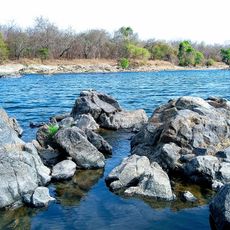
The city has significant bauxite deposits nearby that supply mineral resources and shape local economic activity. Nearby protected areas and nature reserves highlight the region's role in wildlife conservation.
The community of curious travelers
AroundUs brings together thousands of curated places, local tips, and hidden gems, enriched daily by 92,633 contributors worldwide.