Cameroon, Republic in Central Africa
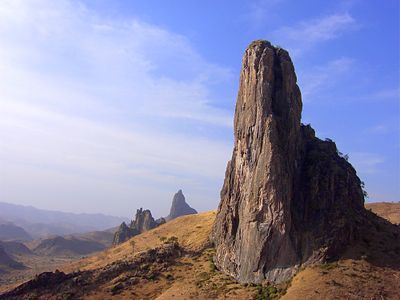
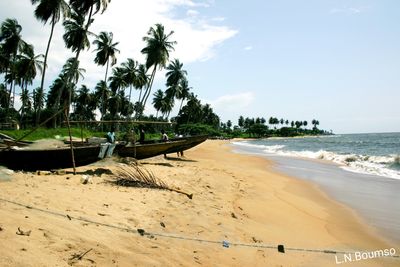
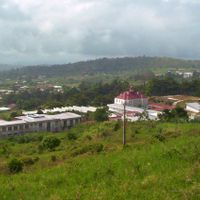
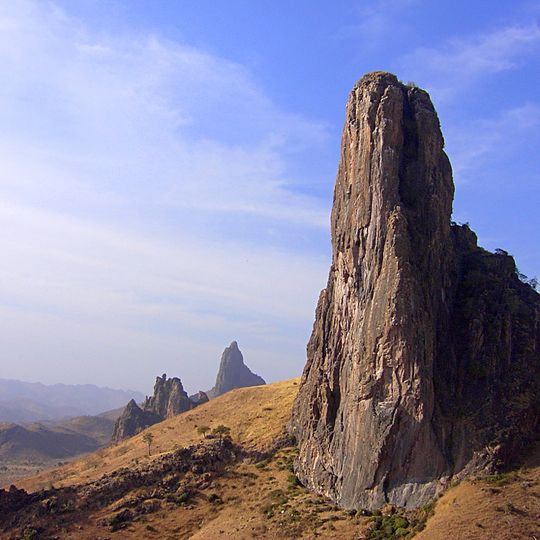
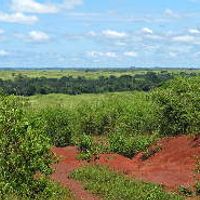
This territory runs from coastal plains along the Atlantic to mountainous terrain and highland plateaus farther inland. Tropical rainforests blanket the southern sections, while central areas shift into savanna grasslands and the north shows semi-arid conditions.
Portuguese navigators arrived at the coast during the fifteenth century and named the region after shrimp in the Wouri River. German colonial rule began in the late nineteenth century before French and British mandates split the territory following the First World War, with independence coming in 1960 and 1961.
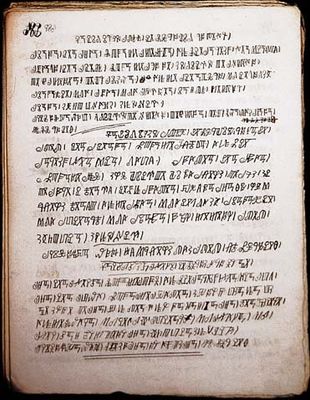
More than two hundred ethnic groups maintain their own languages and oral traditions throughout different regions. French and English shape everyday administration and education, while each community carries on its own ceremonies and artistic practices.
Nsimalen International Airport near Yaoundé and Douala International Airport on the coast connect travelers to major African cities and European destinations. The dry season from November through February offers more comfortable conditions with less rainfall, and visitors need to arrange visas before arrival through diplomatic missions.
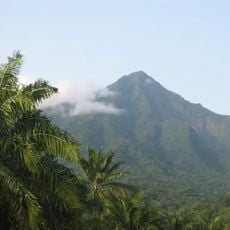
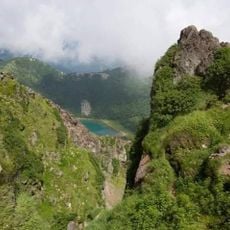
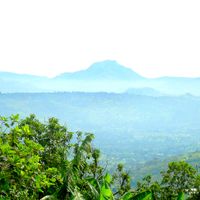
Mount Cameroon rises to 4040 meters (13,255 feet) and ranks as the highest peak in West Africa. This geologically active volcano last erupted in 2000, and climbers pass through multiple vegetation zones from rainforest to alpine scree during multiday ascents.
Inception: January 1, 1960
Capital city: Yaoundé
Part of: Central Africa
Shares border with: Central African Republic, Chad, Republic of the Congo, Equatorial Guinea, Gabon, Nigeria
Address: Cameroon
Website: https://prc.cm/fr
GPS coordinates: 4.61255,13.15358
Latest update: December 4, 2025 17:20
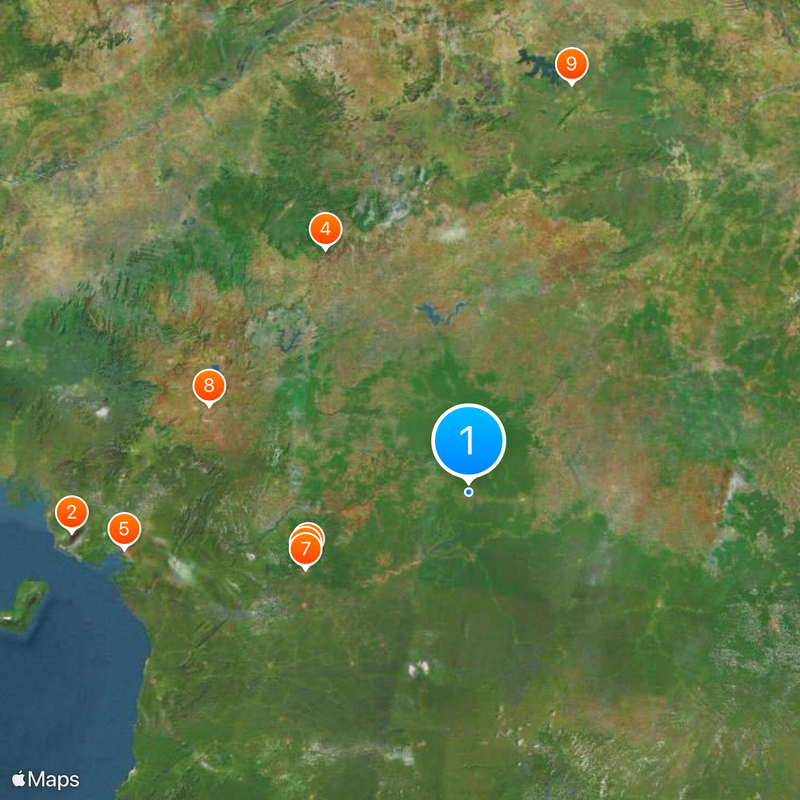
The main natural sites, national parks, and historical towns of Cameroon, combining protected wildlife areas, mountainous landscapes, and cultural locations. This selection includes natural waterfalls like Ekom and the Lobé, major national parks such as Waza and Campo Ma'an, cultural centers like Foumban, and national museums. Mount Cameroon, the highest point in West Africa, is situated near the beaches of Kribi and the Dja natural reserves. The cities of Yaoundé and Douala feature cultural institutions and monuments that reflect the country's history.
Mount Cameroon
443.9 km
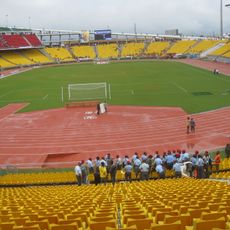
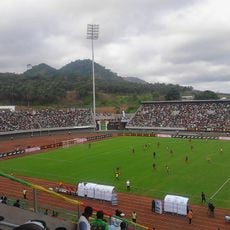
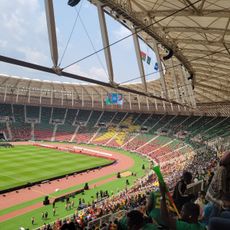
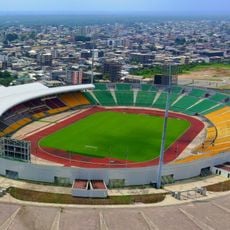
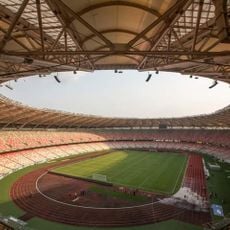
Paul Biya Stadium
193.6 km
Chappal Waddi
313.3 km
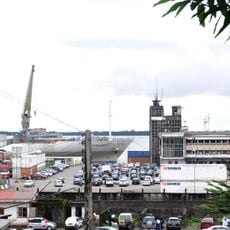
Port autonome de Douala
391.2 km
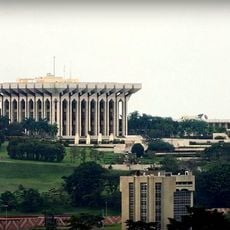
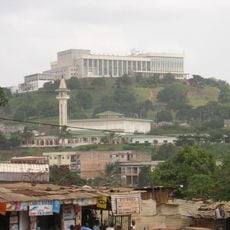
Palais de l'Unité
198 km
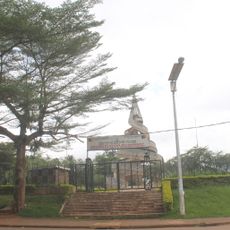
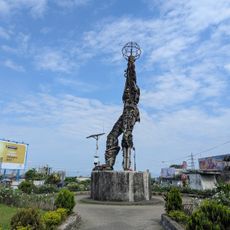
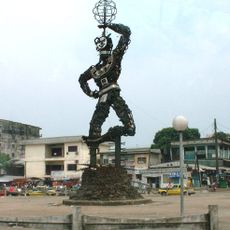
Reunification Monument
200.8 km
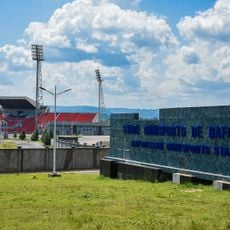
Bafoussam omnisports stadium
304.7 km
Lamidat de Rey-Bouba
466 km
La Nouvelle Liberté
387.4 km
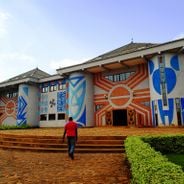
National Museum of Cameroon
200.1 km
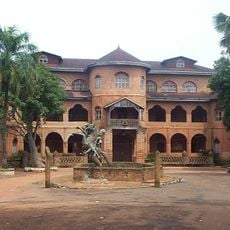
Bamun sultan palace
279.1 km
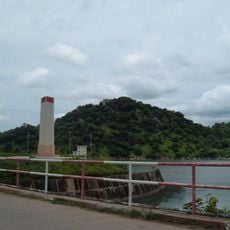
Edea Hydroelectric Power Station
347.5 km
Foto
355.1 km
Lagdo Reservoir
481.3 km
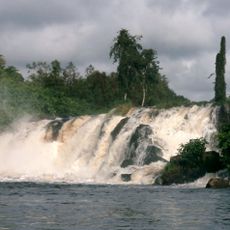
Lobé Falls
409.8 km
Dja Faunal Reserve
178.7 km
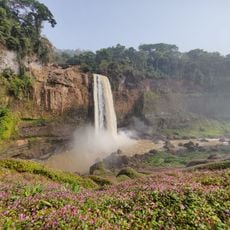
Chutes d'Ekom
350.1 km
Mount Manengouba
371.6 km
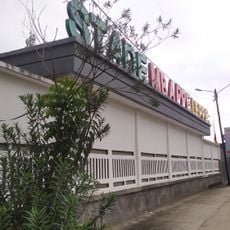
Stade Mbappé Léppé
389.2 km
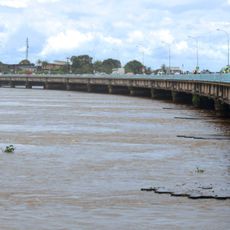
Douala bridge
388.7 km
Cameroon Chamber of Commerce, Industry, Mines and Crafts
390 km
Lobéké National Park
390.4 km
La Nouvelle Liberté
387.4 km
Mount Oku
341.3 km
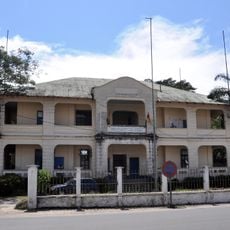
Old German government headquarters in Douala
390.2 km
Palace
388.4 km
Second bridge over the Wouri in Douala
388.7 km
Mefou National Park
154 kmReviews
Visited this place? Tap the stars to rate it and share your experience / photos with the community! Try now! You can cancel it anytime.
Discover hidden gems everywhere you go!
From secret cafés to breathtaking viewpoints, skip the crowded tourist spots and find places that match your style. Our app makes it easy with voice search, smart filtering, route optimization, and insider tips from travelers worldwide. Download now for the complete mobile experience.
A unique approach to discovering new places❞
— Le Figaro
All the places worth exploring❞
— France Info
A tailor-made excursion in just a few clicks❞
— 20 Minutes