See the monuments around you in AROpen chests in the app
Around Us is built for your phone — point your camera at the streets and discover the monuments and places around you in augmented reality.Around Us is built for your phone — chests unlock when you walk, explore and capture nearby places.
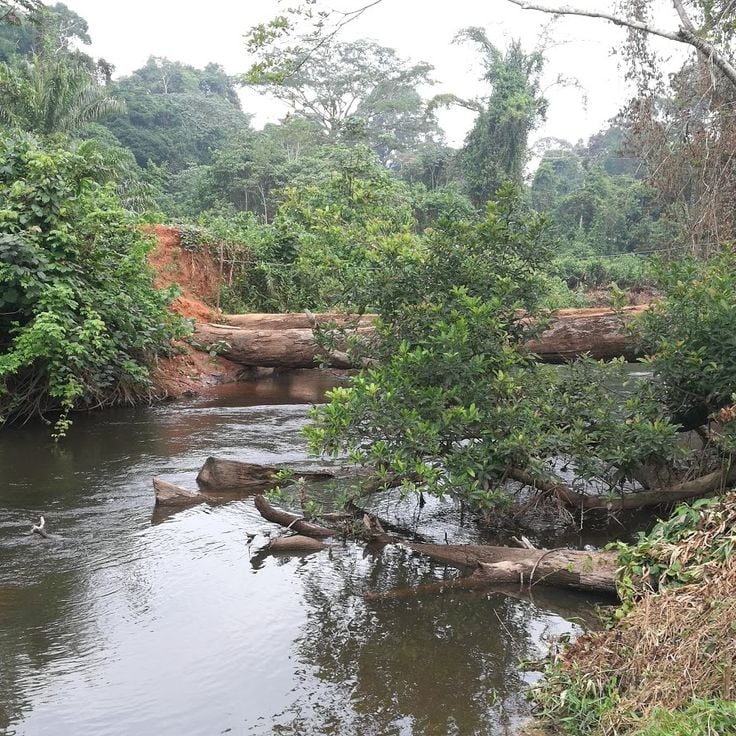
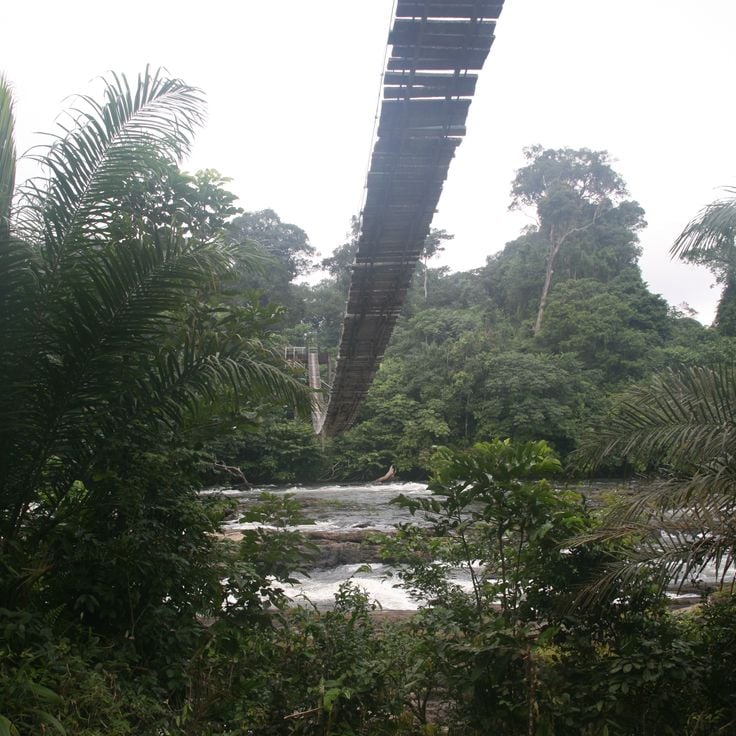
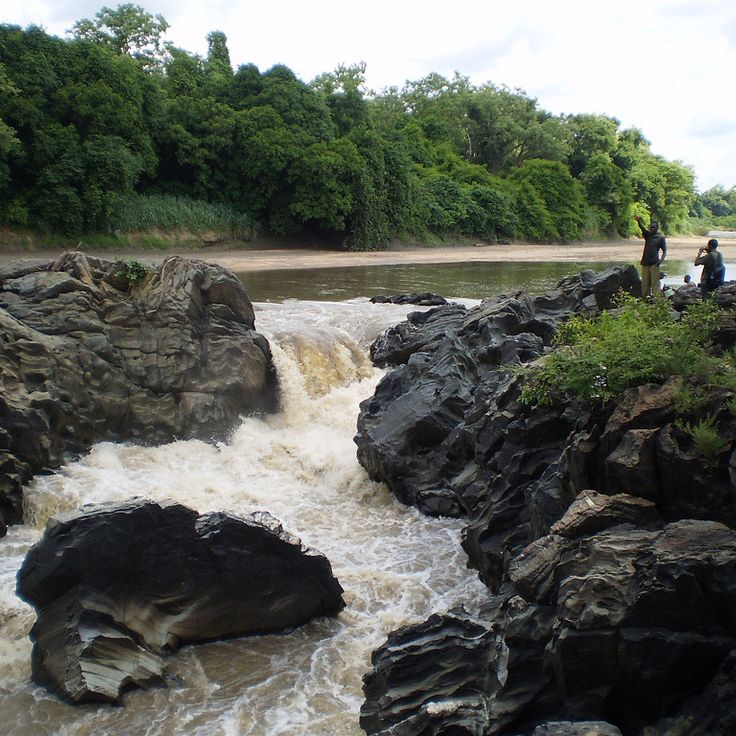
Cameroon offers a rich mix of places to explore, from wildlife parks to waterfalls and historic towns. The country stretches from tropical rainforests in the south to grasslands in the north, with coastal beaches and mountains in between. This makes it a destination where you can see many different landscapes and ways of life in one journey.
Nature lovers will find much to discover. Waterfalls like Ekom and Lobé drop dramatically through forest canopies, while Mount Cameroon rises above the landscape near the beach town of Kribi. Several national parks protect large areas of forest and grassland where you can encounter wildlife in their natural habitat. Waza in the far north hosts herds of buffalo and antelope, while Campo Ma'an in the south preserves coastal forest and mangrove swamps. The Dja Wildlife Reserve sits deep in the rainforest, and Korup National Park protects one of Africa's oldest forests.
Beyond nature, Cameroon's towns and cities tell stories of its past. Foumban in the western highlands is known for its royal palace and skilled craftspeople. Yaoundé and Douala, the major cities, hold museums and monuments that show how the country has developed over time. These places give visitors a chance to understand Cameroon's culture and history alongside its natural beauty.
Cameroon offers a rich mix of places to explore, from wildlife parks to waterfalls and historic towns. The country stretches from tropical rainforests in the south to grasslands in the north, with coastal beaches and mountains in between. This makes it a destination where you can see many different landscapes and ways of life in one journey.
Nature lovers will find much to discover. Waterfalls like Ekom and Lobé drop dramatically through forest canopies, while Mount Cameroon rises above the landscape near the beach town of Kribi. Several national parks protect large areas of forest and grassland where you can encounter wildlife in their natural habitat. Waza in the far north hosts herds of buffalo and antelope, while Campo Ma'an in the south preserves coastal forest and mangrove swamps. The Dja Wildlife Reserve sits deep in the rainforest, and Korup National Park protects one of Africa's oldest forests.
Beyond nature, Cameroon's towns and cities tell stories of its past. Foumban in the western highlands is known for its royal palace and skilled craftspeople. Yaoundé and Douala, the major cities, hold museums and monuments that show how the country has developed over time. These places give visitors a chance to understand Cameroon's culture and history alongside its natural beauty.
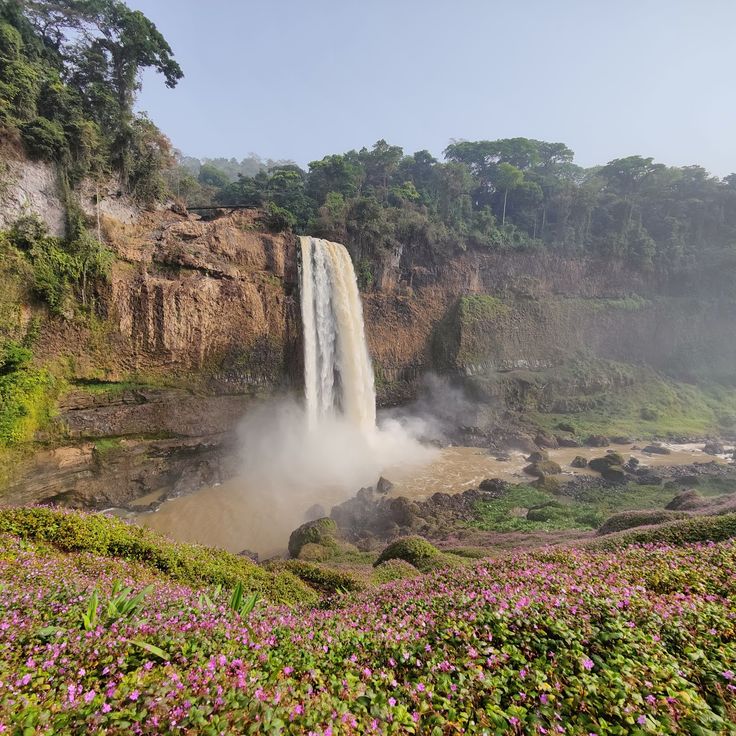
Ekom Waterfalls are part of Cameroon's rich mix of natural places that make the country a destination for exploring different landscapes. These waterfalls drop 80 meters down the Nkam River through dense rainforest in the western Littoral Region. Visitors come here to see the power of cascading water surrounded by thick forest canopy and to experience one of the country's many water features that draw nature lovers to explore.
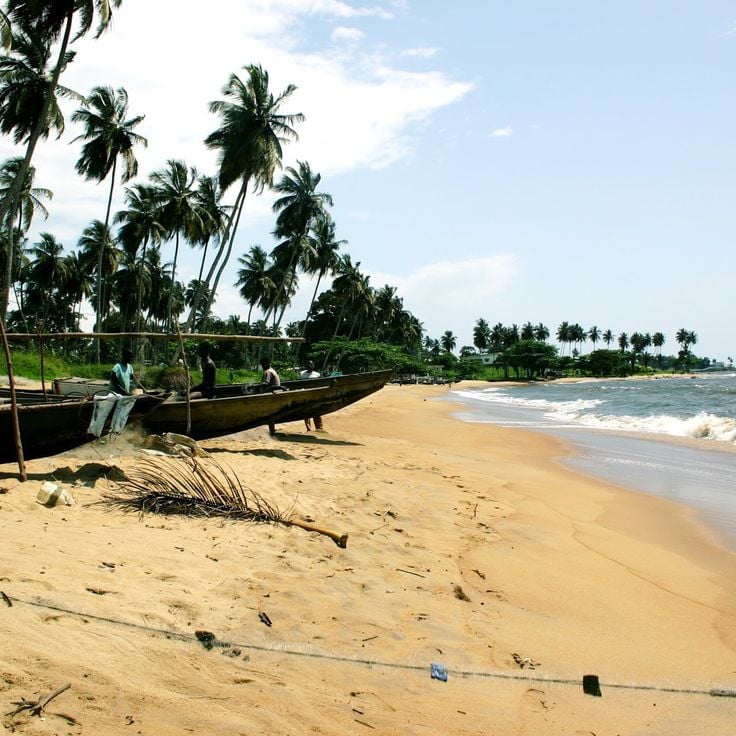
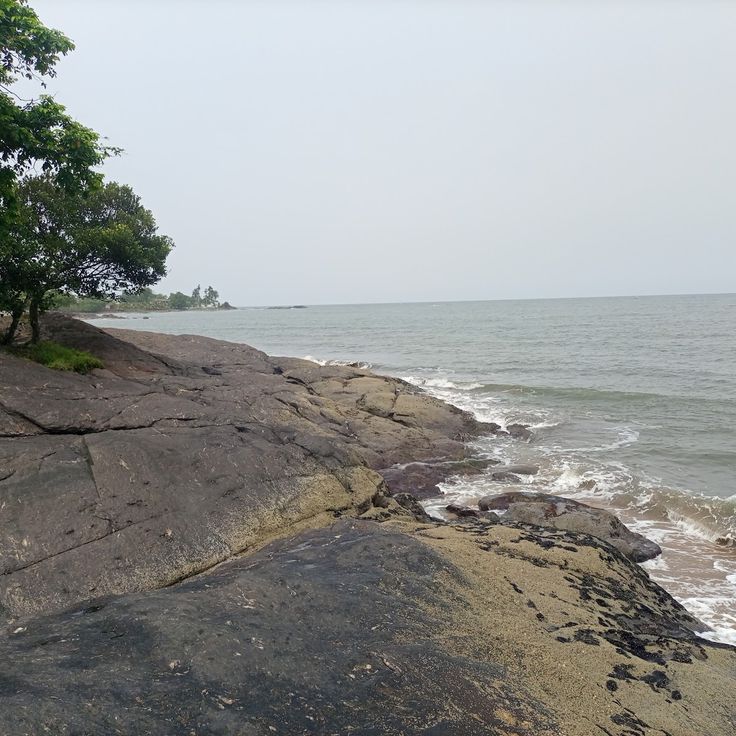
Kribi is a seaside resort in southern Cameroon, known for its fine sandy beaches along the Atlantic Ocean. What makes this place special are the Lobé waterfalls, which flow directly into the sea and create a rare sight. The town draws visitors who want to experience nature and beach together. This location represents the diversity of Cameroon, where tropical forests, waterfalls, and ocean meet in one region.
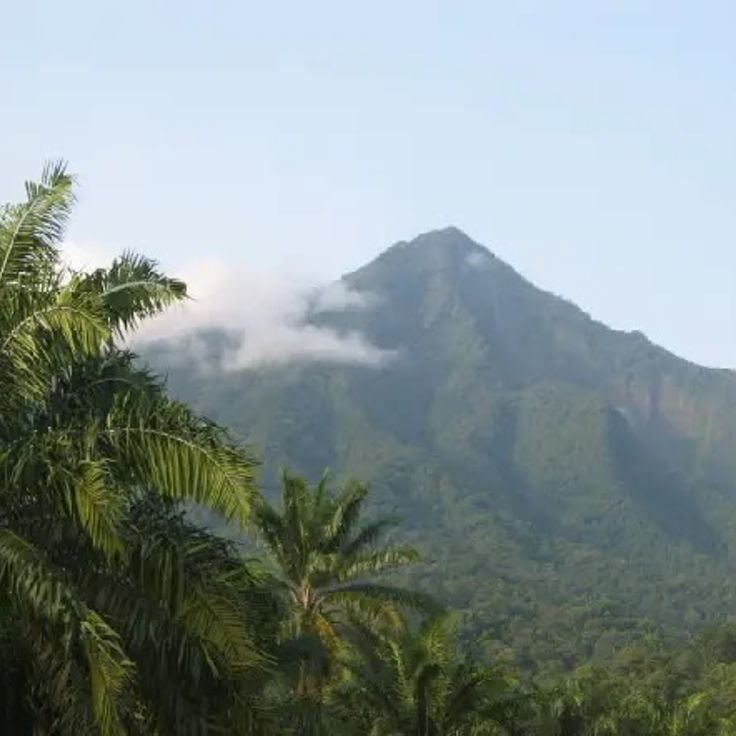
Mount Cameroon is an active volcano in the Southwest Region that rises to 4040 meters above the landscape. Its lower slopes are covered with tropical forests that give way to alpine meadows toward the summit. The mountain dominates the region and can be seen from Kribi's beaches. For hikers, it offers a challenging climb with changing environments at different elevations.
Campo Ma'an National Park is a large protected area that forms part of Cameroon's network of historical sites and natural reserves. Located in the south, it preserves dense equatorial forest along with coastal mangrove swamps. The park is home to gorillas, chimpanzees, elephants, and more than 300 bird species. Visitors can encounter wildlife in their natural habitat while experiencing the forest ecosystems that define much of southern Cameroon. This place demonstrates how the country protects its forests and the animals that live within them.
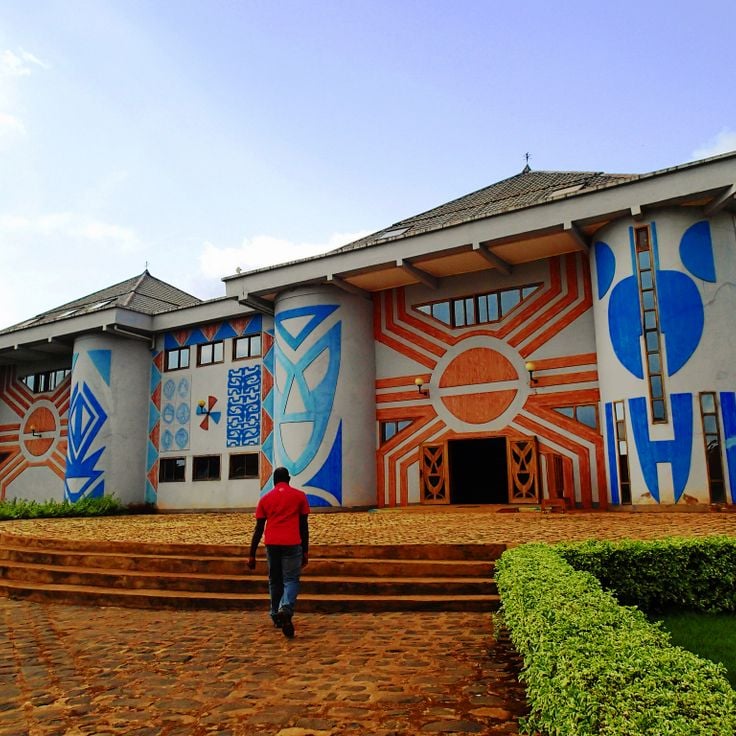
Foumban is a cultural center of the Bamoun people and an important part of Cameroon's collection of historical sites and natural destinations. The city is home to a royal palace built in the 17th century, a building that reflects the region's deep history. Bronze workers create traditional crafts in workshops throughout the city. A museum displays the artistic heritage of the Bamoun people. Visitors can walk through the streets and see how local craftspeople continue their traditions today.
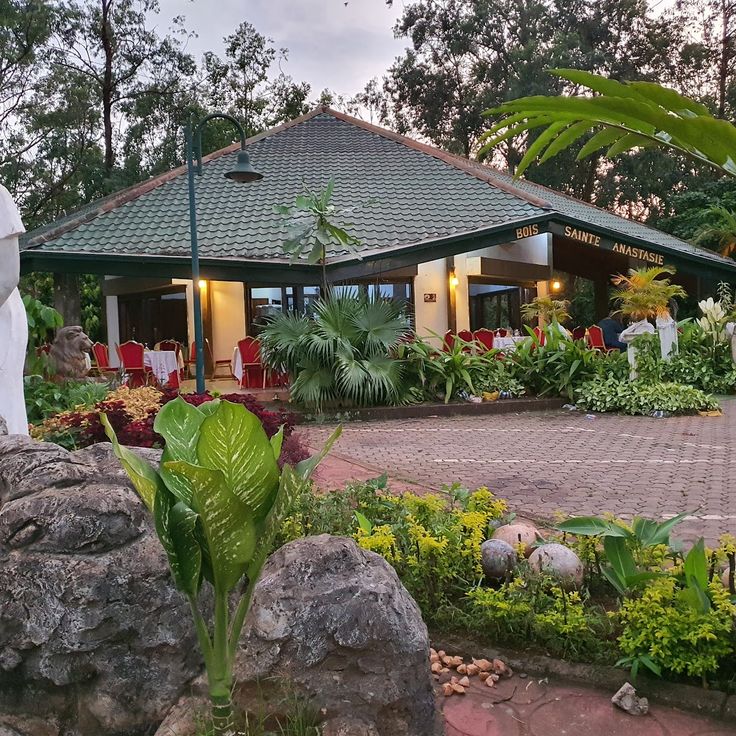
Sainte Anastasie Park is an urban forest in the heart of Yaoundé with trees that have stood for over a century. The park offers marked walking trails where locals come to spend time under the shade of its large trees, away from the busy streets of the city. This green space demonstrates how nature and urban life can coexist in Cameroon's capital.
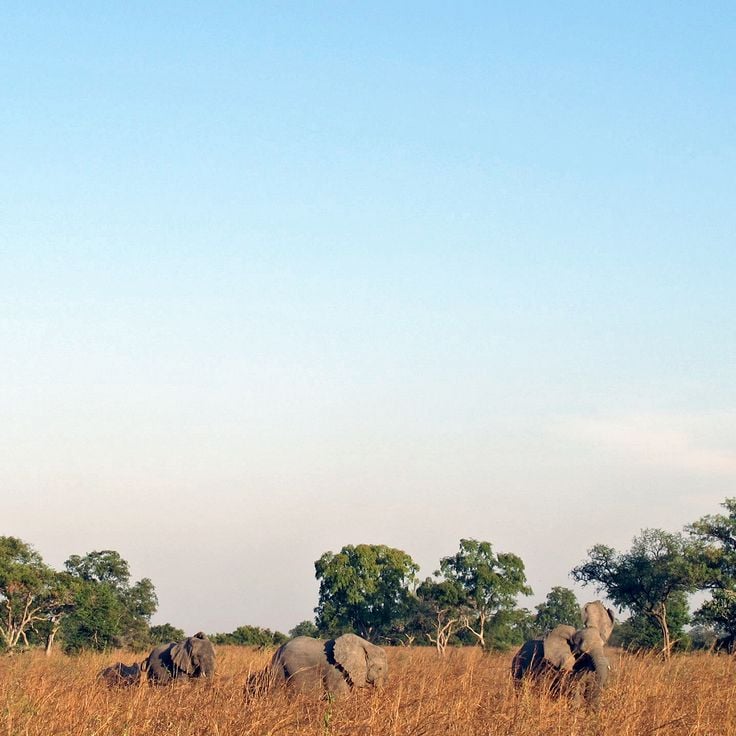
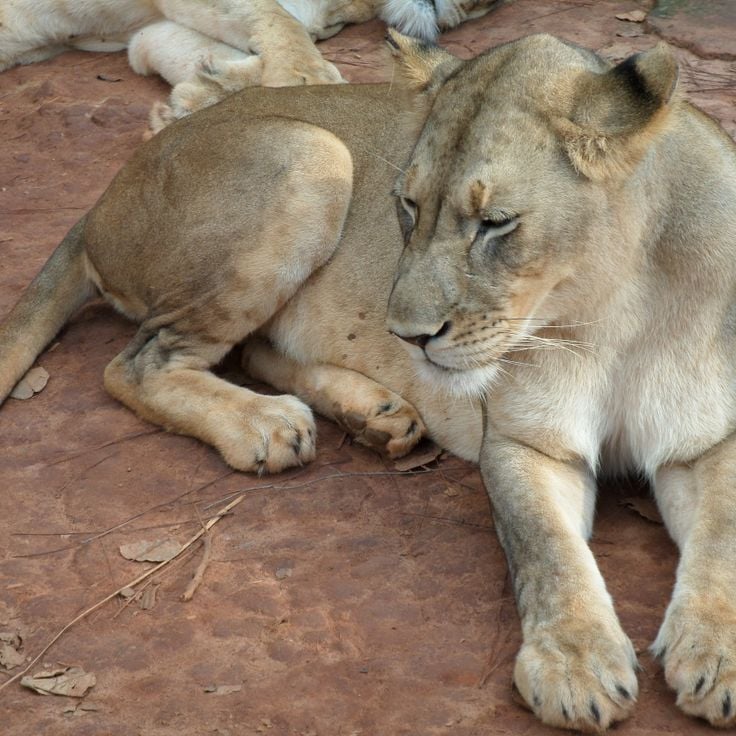
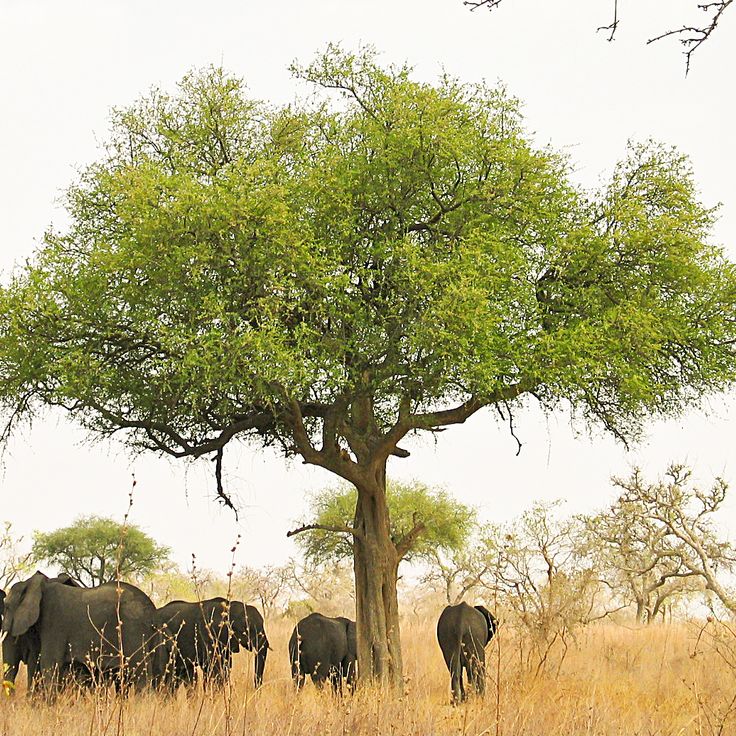
Waza National Park is a large reserve in the Sahel region that provides space for a variety of animals. Elephants, giraffes, lions, and antelopes roam through dry grassland dotted with temporary ponds that fill and empty with the seasons. Located in Cameroon's far north, the park offers visitors a chance to watch African wildlife in their natural setting. This is one of the country's most important places to experience the animal life of West Africa.
The Dja Wildlife Reserve represents the forest protection efforts highlighted in this collection of Cameroon's natural and historical places. This vast rainforest sanctuary is home to gorillas, chimpanzees, and forest elephants that roam freely in their natural setting. The reserve has been recognized as a UNESCO World Heritage Site, acknowledging its importance for wildlife conservation. Visitors to the Dja Wildlife Reserve can experience the depth of Cameroon's rainforest ecosystem and the remarkable animals that depend on it for survival.
Korup National Park is one of Africa's oldest rainforests and plays a key role in Cameroon's collection of natural destinations. The park covers 126,000 hectares and shelters rare species of monkeys, birds, and butterflies within its dense forest canopy. More than 620 tree species have been recorded here. This protected area allows visitors to experience wildlife in their natural habitat and understand the depth of Cameroon's biological diversity.
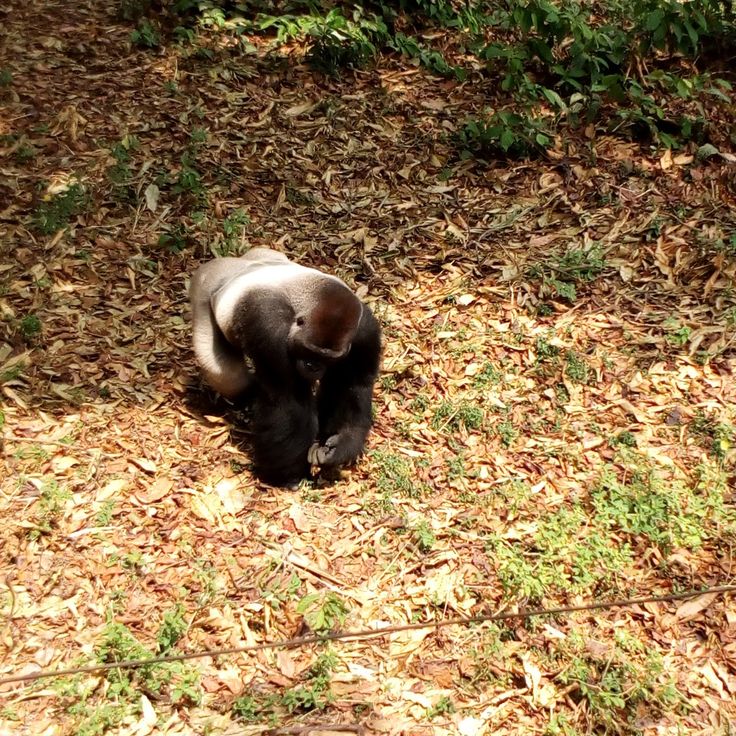
Mefou National Park is a sanctuary in central Cameroon dedicated to protecting primates that have been rescued from difficult situations. The park provides a safe home for gorillas, chimpanzees, and mandrills, allowing visitors to observe these intelligent animals along guided trails through the forest. Walking through Mefou offers a chance to see how the park works to give these animals a second life while educating people about why primate conservation matters in Cameroon's wild landscapes.
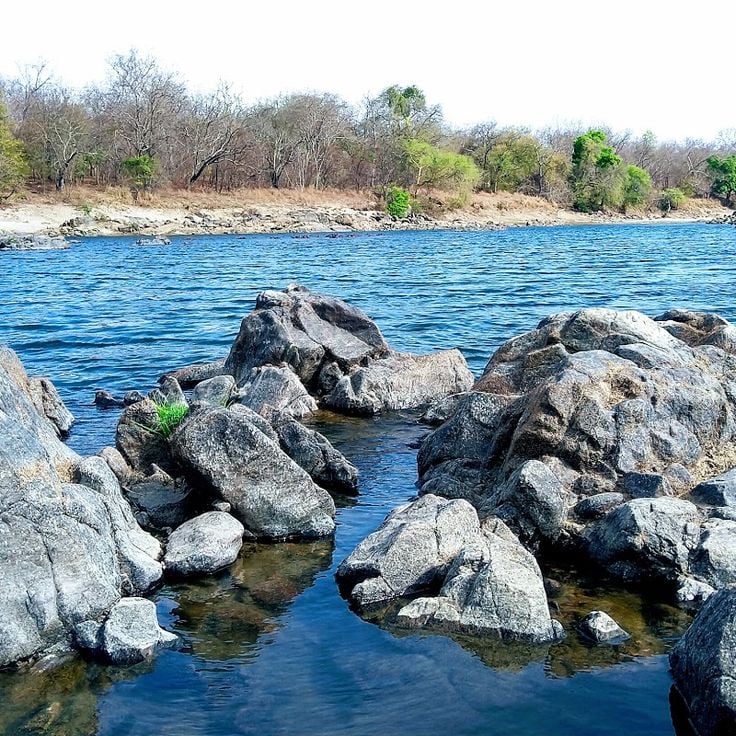
Bénoué National Park is a large protected area in northern Cameroon, representing the country's diverse natural landscape. The park spans vast reaches of wooded savanna crossed by the Bénoué River. Visitors can encounter elephants, lions, hippopotamuses, and antelopes in their natural setting. This park exemplifies the grassland ecosystems of the north that define Cameroon alongside its rainforests, mountains, and coastal areas.
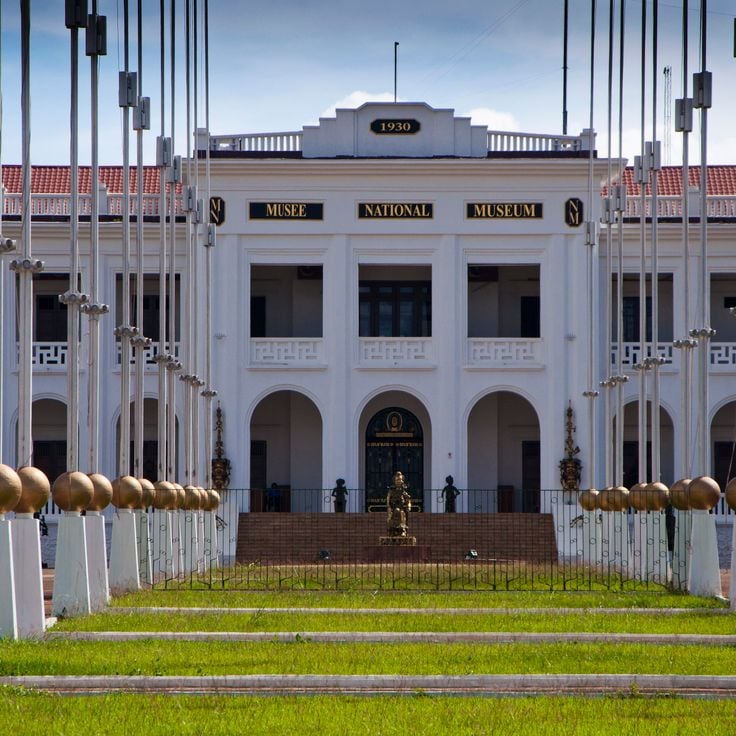
This museum in Yaoundé displays a collection of traditional objects, masks, sculptures, and musical instruments from various regions of Cameroon. It serves as an important place to learn about the cultures and stories of the country's different peoples. The collections help visitors understand the artistic traditions and craftsmanship that remain alive in Cameroon's communities.
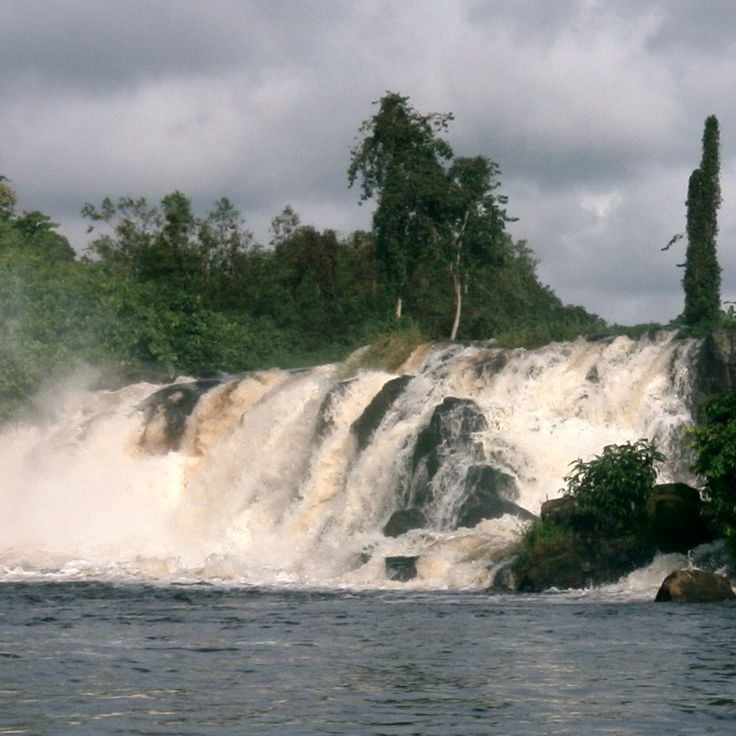
The Lobé Waterfalls in the South Region demonstrate Cameroon's natural diversity. These falls drop 30 meters directly into the Atlantic Ocean, creating a rare sight where fresh water meets salt water. Surrounding the falls, a coastal forest grows among volcanic rocks that shape the landscape. The site combines Cameroon's rich nature with geological features, showing how varied the country's landscapes can be.
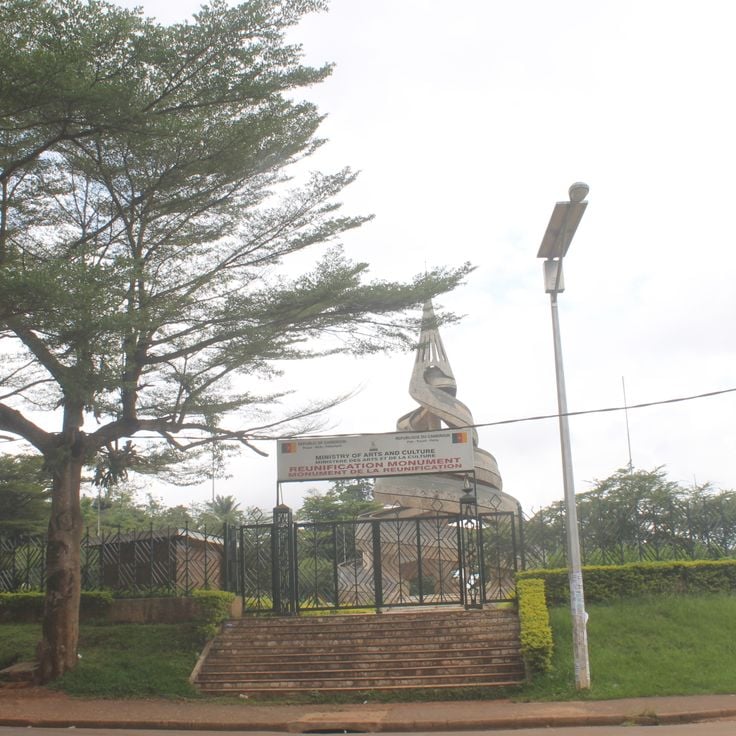
The Reunification Monument in Yaoundé was built in 1972 to celebrate when Cameroon's Anglophone and Francophone regions came together as one country. This commemorative building marks an important moment in the nation's history. Visitors come here to understand how Cameroon brought its different parts together, and the monument stands as a physical reminder of that unity and the country's journey toward becoming one nation.
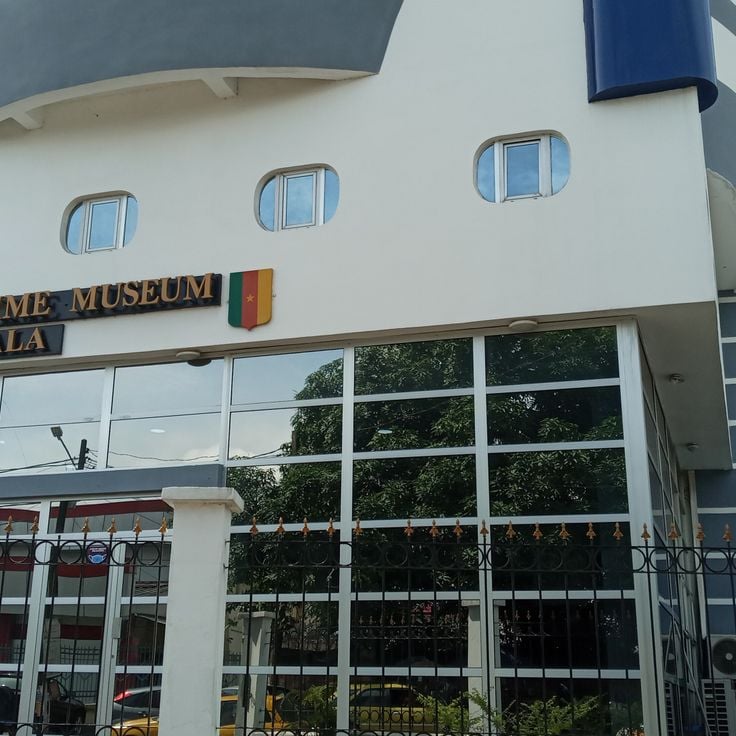
The Maritime Museum of Douala traces the port history of Douala and fits within Cameroon's rich mix of natural sites and historic towns. The museum holds nautical objects, ship models, and documents that tell the story of maritime trade in the city. Visitors can learn how the port shaped Cameroon's development and understand the role that seafaring has played in the country's history.
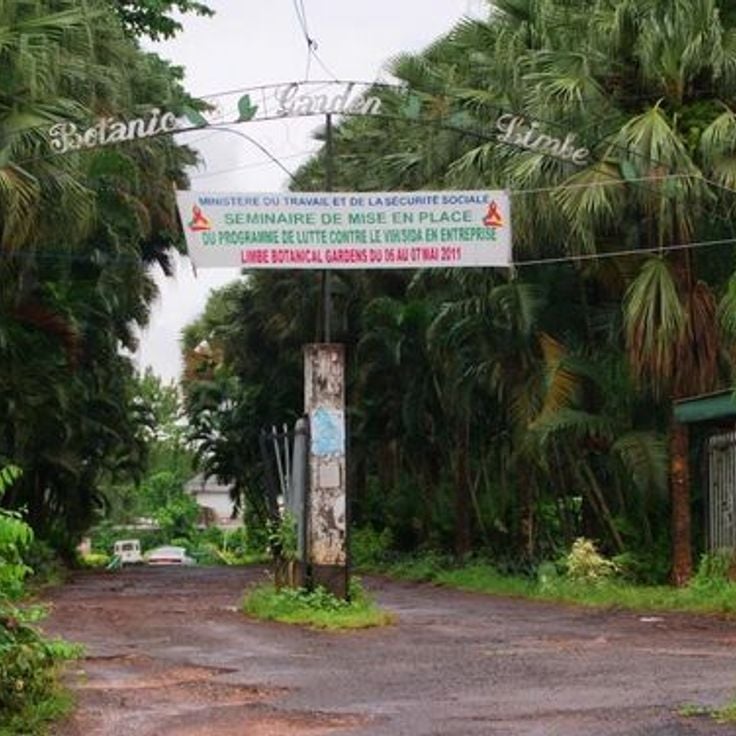
Limbe Botanical Garden is located in Cameroon's Southwest Region and serves as an important place to explore the country's plant diversity. Established in 1892, the garden displays more than 2,000 species of tropical plants, trees, and medicinal herbs native to Cameroon's varied landscapes. The garden brings together nature and education, allowing visitors to discover the botanical riches of the country.
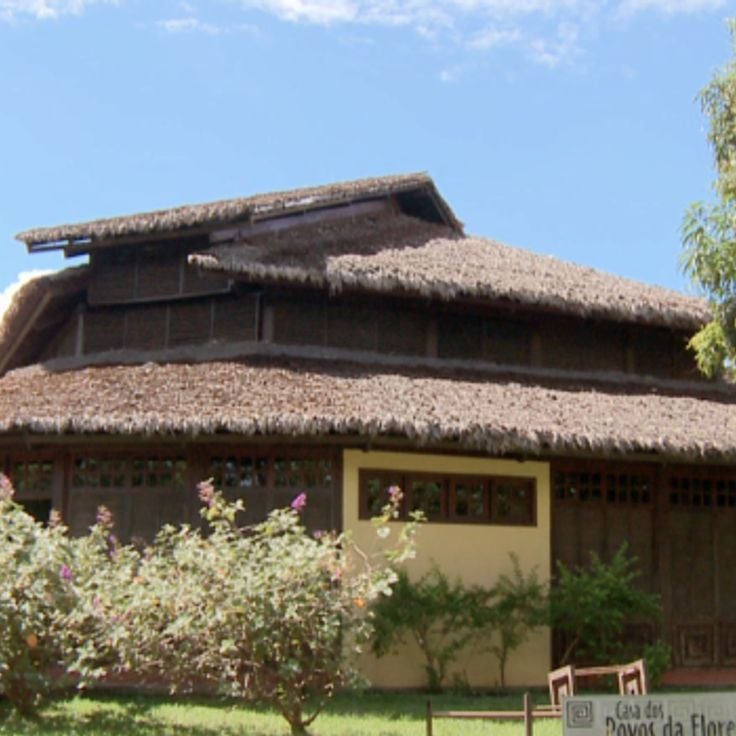
The Ethnographic Museum of Forest Peoples displays the traditions, tools, and lifestyle of the forest communities in southern Cameroon. Visitors can explore through objects and photographs how these peoples live and work. The museum helps travelers understand Cameroon's cultural diversity alongside the country's natural beauty.
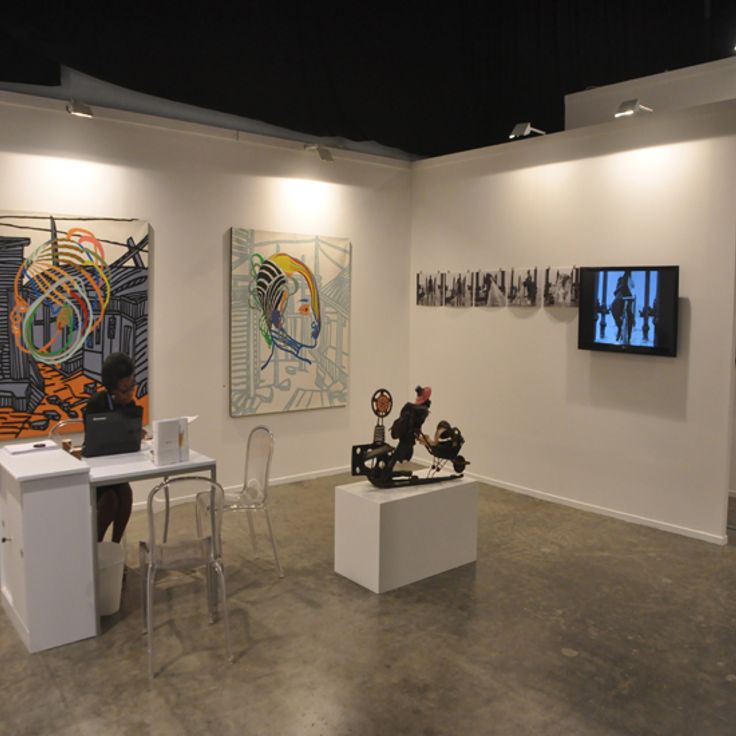
Doual'Art is a contemporary art center in this collection of historical sites and national parks of Cameroon. Founded in 1991, this center displays rotating exhibitions of works by Cameroonian artists and hosts cultural events throughout the city. It provides a space where local artists can show their work and share their perspectives. Doual'Art helps showcase the creative energy of Douala and adds to the cultural offerings that visitors can experience alongside the country's natural attractions.
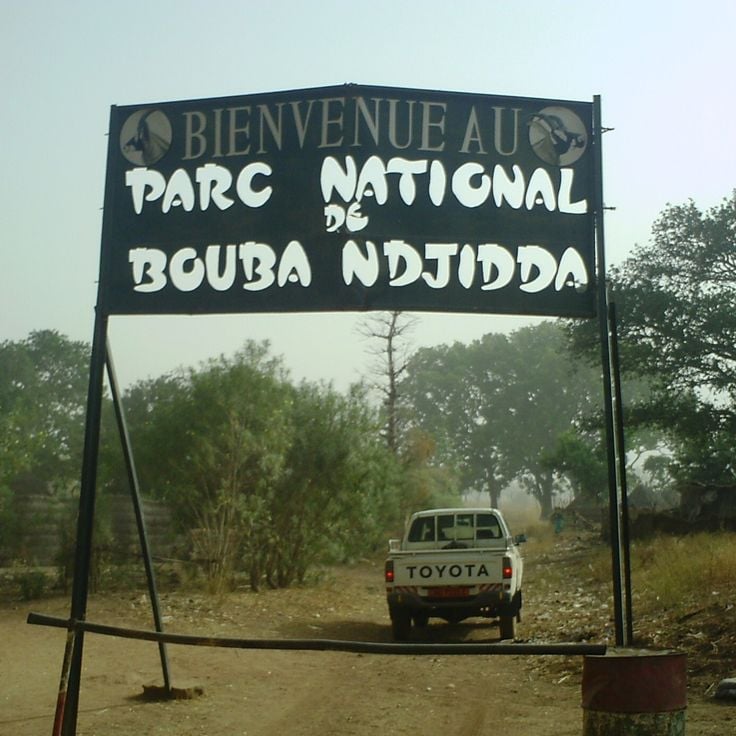
Bouba Ndjida National Park is a large protected area in Cameroon's northern region where elephants, lions, giraffes, and various antelope species roam freely across Sudanese savanna grasslands. The park offers visitors a chance to witness wildlife in their natural habitat, where you can observe how these animals live and move through the landscape. This is one of the places in Cameroon where you can encounter the diversity of African wildlife.
Boumba Bek National Park is one of Cameroon's protected forest areas that showcases the country's natural diversity. This park covers 238,255 hectares of tropical rainforest in the eastern region and is home to gorillas, chimpanzees, forest elephants, and over 200 bird species. The park offers visitors a chance to see wildlife in their natural habitat and understand the importance of forest conservation. Boumba Bek National Park demonstrates how Cameroon preserves and protects large forest areas.
Nki National Park fits into Cameroon's collection of natural sites as a vast rainforest that shelters gorillas, elephants, and chimpanzees alongside other wildlife. The park spans dense forest broken by rivers, waterfalls, and natural clearings, giving visitors a chance to experience the rainforest ecosystem in its raw form.
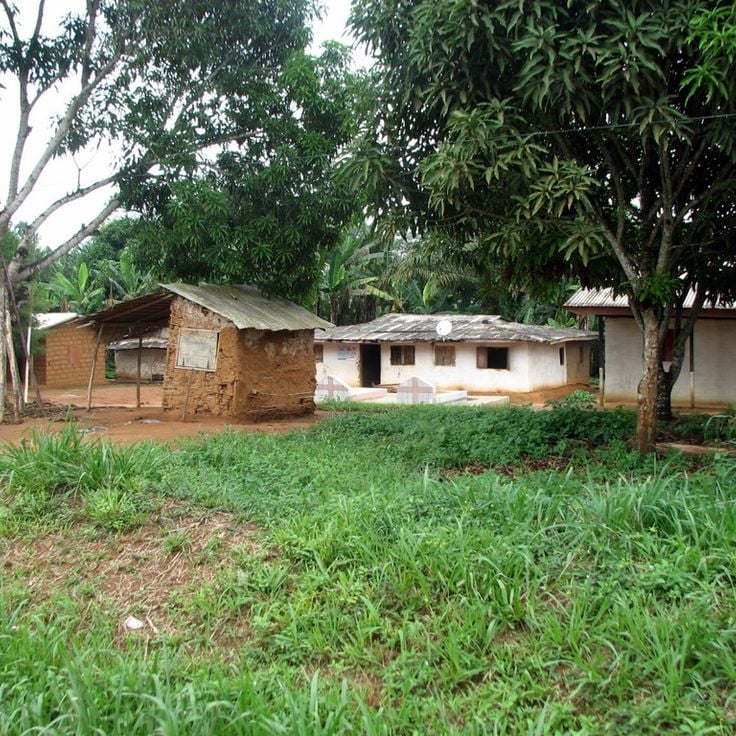
Londji is a fishing port on the Atlantic coast in Cameroon's South Region. Several families here continue traditional fishing methods and sell their daily catches. The port shows how people in this collection of historical sites and national parks of Cameroon depend on the country's natural resources and pass down their fishing skills across generations.
Faro National Park is one of Cameroon's key wildlife reserves, where visitors can experience vast landscapes and encounter animals in their natural setting. Spanning 330,000 hectares, the park features open savanna with river valleys and seasonal waterways. Elephants, lions, and various antelope species roam these grasslands freely. Located in the North Region, Faro protects one of the country's most important habitats for large mammals. A visit here gives a real sense of the northern grasslands that characterize Cameroon's landscape beyond its forests and mountains.
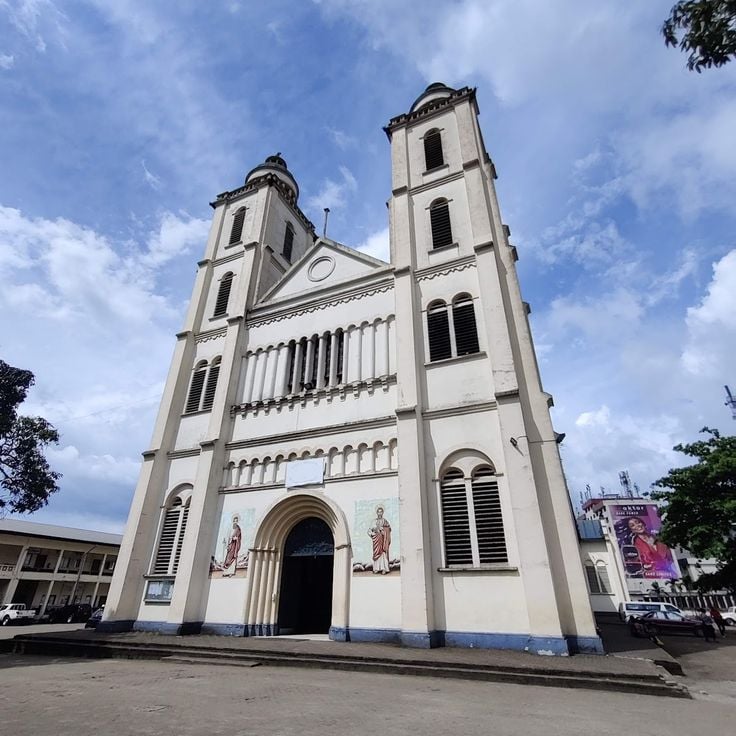
The Cathedral of Saint Peter and Saint Paul is a Catholic religious building constructed in the 1930s in central Douala. It stands as a testament to Cameroon's religious history and how the city developed during that era. The cathedral is part of a collection of sites that capture Cameroon's rich past and diversity, from waterfalls to historic towns. Today, it regularly hosts services and religious ceremonies, and visitors can explore the architecture and the place's importance to the local community.
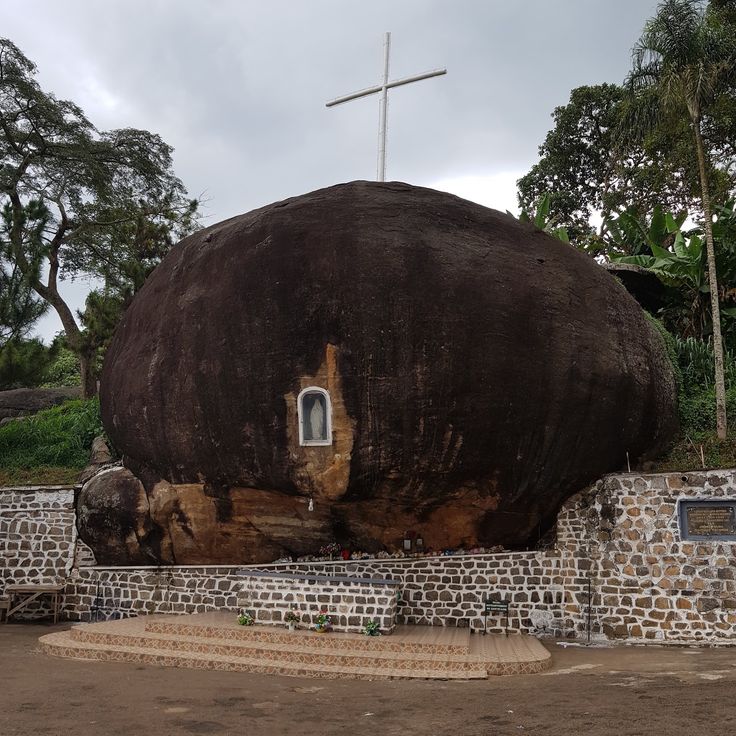
This monastery sits on a hilltop overlooking Yaoundé at about 1000 meters elevation. A Catholic religious community built the church, monastic cells, and gardens here. From this height, you look down at the city spreading below. The place combines faith with nature, offering a quiet refuge above the urban landscape of Cameroon's capital.
Mozogo Gokoro National Park protects a 1400-hectare area of dense dry forest in Cameroon's far north. The park preserves plant species adapted to the harsh Sahelian climate, showing visitors the natural diversity beyond the country's southern rainforests. Walking through this reserve gives you a chance to see how life thrives in the drier landscapes that stretch across northern Cameroon.
The Limbe Wildlife Centre is a rehabilitation facility for primates and other wild animals in Cameroon. The site works to heal injured and threatened creatures, preparing them for life back in the forest. Visitors can learn about Cameroon's animal life and understand why protecting the forests and their inhabitants matters. The centre demonstrates how conservation works in practice and connects people to the natural world.
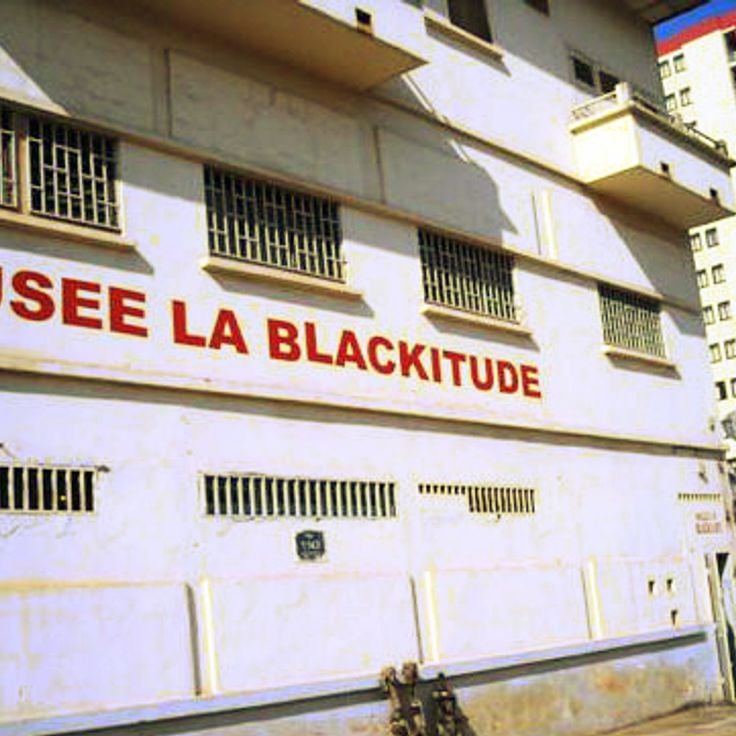
La Blackitude Museum in Yaoundé presents traditional Cameroonian artistic creations and invites visitors to explore the diverse cultural expressions of the country. The collections feature ritual masks and musical instruments from across different regions, reflecting the artistic traditions of local communities. This museum offers insight into Cameroon's cultural heritage, which sits alongside the country's varied landscapes and natural attractions.
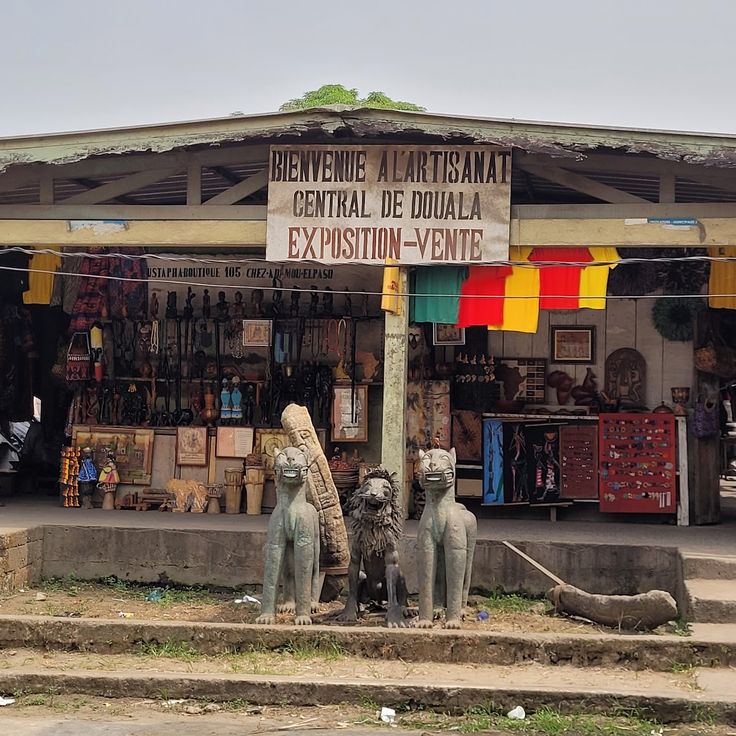
The Flower Market is a commercial gathering place in central Douala where local growers sell ornamental plants, cut flowers, and floral arrangements in the open air. As part of Cameroon's diverse landscapes and ways of life, this outdoor market shows how trade and horticulture thrive in the country's major port city, giving visitors a direct look at local commerce and daily rhythms.
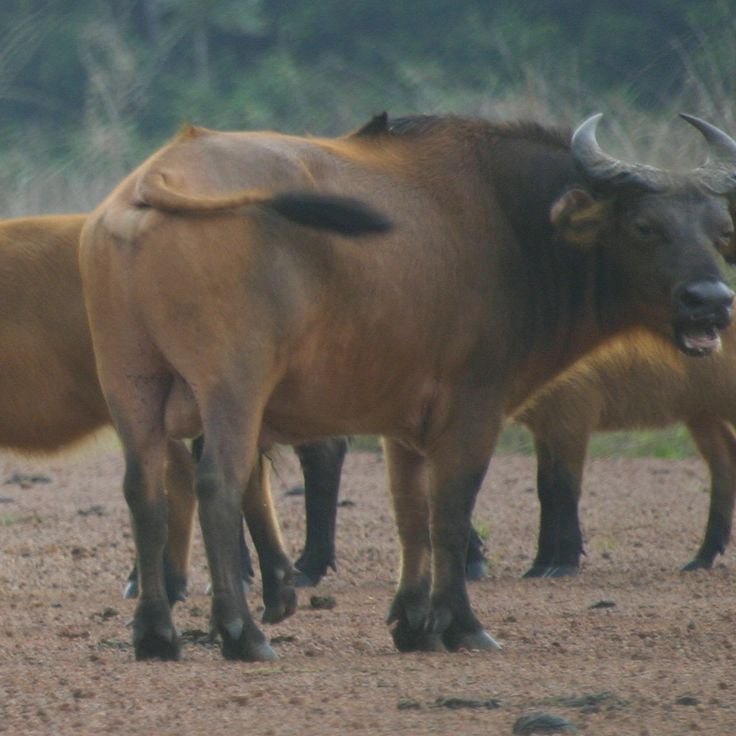
Lobéké National Park is a large protected forest in eastern Cameroon, part of the country's rich natural landscape. This park preserves one of Africa's oldest forests and offers visitors a chance to see wildlife in their natural habitat. Gorillas, elephants, buffaloes, and numerous bird species live among the dense trees. The park sits in a region where tropical rainforests shape the land and shows how varied Cameroon is, from the forests in the south to the grasslands in the north.
The Museum of Civilizations in Yaoundé displays historical objects, traditional crafts, and artworks that tell the story of Cameroon's different ethnic groups. As part of this collection of historical sites and national parks in Cameroon, this museum offers insight into the country's cultural diversity and complements the natural landscapes you encounter elsewhere in your journey.
Ekom Waterfalls are part of Cameroon's rich mix of natural places that make the country a destination for exploring different landscapes. These waterfalls drop 80 meters down the Nkam River through dense rainforest in the western Littoral Region. Visitors come here to see the power of cascading water surrounded by thick forest canopy and to experience one of the country's many water features that draw nature lovers to explore.
Kribi is a seaside resort in southern Cameroon, known for its fine sandy beaches along the Atlantic Ocean. What makes this place special are the Lobé waterfalls, which flow directly into the sea and create a rare sight. The town draws visitors who want to experience nature and beach together. This location represents the diversity of Cameroon, where tropical forests, waterfalls, and ocean meet in one region.
Mount Cameroon is an active volcano in the Southwest Region that rises to 4040 meters above the landscape. Its lower slopes are covered with tropical forests that give way to alpine meadows toward the summit. The mountain dominates the region and can be seen from Kribi's beaches. For hikers, it offers a challenging climb with changing environments at different elevations.
Campo Ma'an National Park is a large protected area that forms part of Cameroon's network of historical sites and natural reserves. Located in the south, it preserves dense equatorial forest along with coastal mangrove swamps. The park is home to gorillas, chimpanzees, elephants, and more than 300 bird species. Visitors can encounter wildlife in their natural habitat while experiencing the forest ecosystems that define much of southern Cameroon. This place demonstrates how the country protects its forests and the animals that live within them.
Foumban is a cultural center of the Bamoun people and an important part of Cameroon's collection of historical sites and natural destinations. The city is home to a royal palace built in the 17th century, a building that reflects the region's deep history. Bronze workers create traditional crafts in workshops throughout the city. A museum displays the artistic heritage of the Bamoun people. Visitors can walk through the streets and see how local craftspeople continue their traditions today.
Sainte Anastasie Park is an urban forest in the heart of Yaoundé with trees that have stood for over a century. The park offers marked walking trails where locals come to spend time under the shade of its large trees, away from the busy streets of the city. This green space demonstrates how nature and urban life can coexist in Cameroon's capital.
Waza National Park is a large reserve in the Sahel region that provides space for a variety of animals. Elephants, giraffes, lions, and antelopes roam through dry grassland dotted with temporary ponds that fill and empty with the seasons. Located in Cameroon's far north, the park offers visitors a chance to watch African wildlife in their natural setting. This is one of the country's most important places to experience the animal life of West Africa.
The Dja Wildlife Reserve represents the forest protection efforts highlighted in this collection of Cameroon's natural and historical places. This vast rainforest sanctuary is home to gorillas, chimpanzees, and forest elephants that roam freely in their natural setting. The reserve has been recognized as a UNESCO World Heritage Site, acknowledging its importance for wildlife conservation. Visitors to the Dja Wildlife Reserve can experience the depth of Cameroon's rainforest ecosystem and the remarkable animals that depend on it for survival.
Korup National Park is one of Africa's oldest rainforests and plays a key role in Cameroon's collection of natural destinations. The park covers 126,000 hectares and shelters rare species of monkeys, birds, and butterflies within its dense forest canopy. More than 620 tree species have been recorded here. This protected area allows visitors to experience wildlife in their natural habitat and understand the depth of Cameroon's biological diversity.
Mefou National Park is a sanctuary in central Cameroon dedicated to protecting primates that have been rescued from difficult situations. The park provides a safe home for gorillas, chimpanzees, and mandrills, allowing visitors to observe these intelligent animals along guided trails through the forest. Walking through Mefou offers a chance to see how the park works to give these animals a second life while educating people about why primate conservation matters in Cameroon's wild landscapes.
Bénoué National Park is a large protected area in northern Cameroon, representing the country's diverse natural landscape. The park spans vast reaches of wooded savanna crossed by the Bénoué River. Visitors can encounter elephants, lions, hippopotamuses, and antelopes in their natural setting. This park exemplifies the grassland ecosystems of the north that define Cameroon alongside its rainforests, mountains, and coastal areas.
This museum in Yaoundé displays a collection of traditional objects, masks, sculptures, and musical instruments from various regions of Cameroon. It serves as an important place to learn about the cultures and stories of the country's different peoples. The collections help visitors understand the artistic traditions and craftsmanship that remain alive in Cameroon's communities.
The Lobé Waterfalls in the South Region demonstrate Cameroon's natural diversity. These falls drop 30 meters directly into the Atlantic Ocean, creating a rare sight where fresh water meets salt water. Surrounding the falls, a coastal forest grows among volcanic rocks that shape the landscape. The site combines Cameroon's rich nature with geological features, showing how varied the country's landscapes can be.
The Reunification Monument in Yaoundé was built in 1972 to celebrate when Cameroon's Anglophone and Francophone regions came together as one country. This commemorative building marks an important moment in the nation's history. Visitors come here to understand how Cameroon brought its different parts together, and the monument stands as a physical reminder of that unity and the country's journey toward becoming one nation.
The Maritime Museum of Douala traces the port history of Douala and fits within Cameroon's rich mix of natural sites and historic towns. The museum holds nautical objects, ship models, and documents that tell the story of maritime trade in the city. Visitors can learn how the port shaped Cameroon's development and understand the role that seafaring has played in the country's history.
Limbe Botanical Garden is located in Cameroon's Southwest Region and serves as an important place to explore the country's plant diversity. Established in 1892, the garden displays more than 2,000 species of tropical plants, trees, and medicinal herbs native to Cameroon's varied landscapes. The garden brings together nature and education, allowing visitors to discover the botanical riches of the country.
The Ethnographic Museum of Forest Peoples displays the traditions, tools, and lifestyle of the forest communities in southern Cameroon. Visitors can explore through objects and photographs how these peoples live and work. The museum helps travelers understand Cameroon's cultural diversity alongside the country's natural beauty.
Doual'Art is a contemporary art center in this collection of historical sites and national parks of Cameroon. Founded in 1991, this center displays rotating exhibitions of works by Cameroonian artists and hosts cultural events throughout the city. It provides a space where local artists can show their work and share their perspectives. Doual'Art helps showcase the creative energy of Douala and adds to the cultural offerings that visitors can experience alongside the country's natural attractions.
Bouba Ndjida National Park is a large protected area in Cameroon's northern region where elephants, lions, giraffes, and various antelope species roam freely across Sudanese savanna grasslands. The park offers visitors a chance to witness wildlife in their natural habitat, where you can observe how these animals live and move through the landscape. This is one of the places in Cameroon where you can encounter the diversity of African wildlife.
Boumba Bek National Park is one of Cameroon's protected forest areas that showcases the country's natural diversity. This park covers 238,255 hectares of tropical rainforest in the eastern region and is home to gorillas, chimpanzees, forest elephants, and over 200 bird species. The park offers visitors a chance to see wildlife in their natural habitat and understand the importance of forest conservation. Boumba Bek National Park demonstrates how Cameroon preserves and protects large forest areas.
Nki National Park fits into Cameroon's collection of natural sites as a vast rainforest that shelters gorillas, elephants, and chimpanzees alongside other wildlife. The park spans dense forest broken by rivers, waterfalls, and natural clearings, giving visitors a chance to experience the rainforest ecosystem in its raw form.
Londji is a fishing port on the Atlantic coast in Cameroon's South Region. Several families here continue traditional fishing methods and sell their daily catches. The port shows how people in this collection of historical sites and national parks of Cameroon depend on the country's natural resources and pass down their fishing skills across generations.
Faro National Park is one of Cameroon's key wildlife reserves, where visitors can experience vast landscapes and encounter animals in their natural setting. Spanning 330,000 hectares, the park features open savanna with river valleys and seasonal waterways. Elephants, lions, and various antelope species roam these grasslands freely. Located in the North Region, Faro protects one of the country's most important habitats for large mammals. A visit here gives a real sense of the northern grasslands that characterize Cameroon's landscape beyond its forests and mountains.
The Cathedral of Saint Peter and Saint Paul is a Catholic religious building constructed in the 1930s in central Douala. It stands as a testament to Cameroon's religious history and how the city developed during that era. The cathedral is part of a collection of sites that capture Cameroon's rich past and diversity, from waterfalls to historic towns. Today, it regularly hosts services and religious ceremonies, and visitors can explore the architecture and the place's importance to the local community.
This monastery sits on a hilltop overlooking Yaoundé at about 1000 meters elevation. A Catholic religious community built the church, monastic cells, and gardens here. From this height, you look down at the city spreading below. The place combines faith with nature, offering a quiet refuge above the urban landscape of Cameroon's capital.
Mozogo Gokoro National Park protects a 1400-hectare area of dense dry forest in Cameroon's far north. The park preserves plant species adapted to the harsh Sahelian climate, showing visitors the natural diversity beyond the country's southern rainforests. Walking through this reserve gives you a chance to see how life thrives in the drier landscapes that stretch across northern Cameroon.
The Limbe Wildlife Centre is a rehabilitation facility for primates and other wild animals in Cameroon. The site works to heal injured and threatened creatures, preparing them for life back in the forest. Visitors can learn about Cameroon's animal life and understand why protecting the forests and their inhabitants matters. The centre demonstrates how conservation works in practice and connects people to the natural world.
La Blackitude Museum in Yaoundé presents traditional Cameroonian artistic creations and invites visitors to explore the diverse cultural expressions of the country. The collections feature ritual masks and musical instruments from across different regions, reflecting the artistic traditions of local communities. This museum offers insight into Cameroon's cultural heritage, which sits alongside the country's varied landscapes and natural attractions.
The Flower Market is a commercial gathering place in central Douala where local growers sell ornamental plants, cut flowers, and floral arrangements in the open air. As part of Cameroon's diverse landscapes and ways of life, this outdoor market shows how trade and horticulture thrive in the country's major port city, giving visitors a direct look at local commerce and daily rhythms.
Lobéké National Park is a large protected forest in eastern Cameroon, part of the country's rich natural landscape. This park preserves one of Africa's oldest forests and offers visitors a chance to see wildlife in their natural habitat. Gorillas, elephants, buffaloes, and numerous bird species live among the dense trees. The park sits in a region where tropical rainforests shape the land and shows how varied Cameroon is, from the forests in the south to the grasslands in the north.
The Museum of Civilizations in Yaoundé displays historical objects, traditional crafts, and artworks that tell the story of Cameroon's different ethnic groups. As part of this collection of historical sites and national parks in Cameroon, this museum offers insight into the country's cultural diversity and complements the natural landscapes you encounter elsewhere in your journey.
Ekom Waterfalls are part of Cameroon's rich mix of natural places that make the country a destination for exploring different landscapes. These waterfalls drop 80 meters down the Nkam River through dense rainforest in the western Littoral Region. Visitors come here to see the power of cascading water surrounded by thick forest canopy and to experience one of the country's many water features that draw nature lovers to explore.
Kribi is a seaside resort in southern Cameroon, known for its fine sandy beaches along the Atlantic Ocean. What makes this place special are the Lobé waterfalls, which flow directly into the sea and create a rare sight. The town draws visitors who want to experience nature and beach together. This location represents the diversity of Cameroon, where tropical forests, waterfalls, and ocean meet in one region.
Mount Cameroon is an active volcano in the Southwest Region that rises to 4040 meters above the landscape. Its lower slopes are covered with tropical forests that give way to alpine meadows toward the summit. The mountain dominates the region and can be seen from Kribi's beaches. For hikers, it offers a challenging climb with changing environments at different elevations.
Campo Ma'an National Park is a large protected area that forms part of Cameroon's network of historical sites and natural reserves. Located in the south, it preserves dense equatorial forest along with coastal mangrove swamps. The park is home to gorillas, chimpanzees, elephants, and more than 300 bird species. Visitors can encounter wildlife in their natural habitat while experiencing the forest ecosystems that define much of southern Cameroon. This place demonstrates how the country protects its forests and the animals that live within them.
Foumban is a cultural center of the Bamoun people and an important part of Cameroon's collection of historical sites and natural destinations. The city is home to a royal palace built in the 17th century, a building that reflects the region's deep history. Bronze workers create traditional crafts in workshops throughout the city. A museum displays the artistic heritage of the Bamoun people. Visitors can walk through the streets and see how local craftspeople continue their traditions today.
Sainte Anastasie Park is an urban forest in the heart of Yaoundé with trees that have stood for over a century. The park offers marked walking trails where locals come to spend time under the shade of its large trees, away from the busy streets of the city. This green space demonstrates how nature and urban life can coexist in Cameroon's capital.
Waza National Park is a large reserve in the Sahel region that provides space for a variety of animals. Elephants, giraffes, lions, and antelopes roam through dry grassland dotted with temporary ponds that fill and empty with the seasons. Located in Cameroon's far north, the park offers visitors a chance to watch African wildlife in their natural setting. This is one of the country's most important places to experience the animal life of West Africa.
The Dja Wildlife Reserve represents the forest protection efforts highlighted in this collection of Cameroon's natural and historical places. This vast rainforest sanctuary is home to gorillas, chimpanzees, and forest elephants that roam freely in their natural setting. The reserve has been recognized as a UNESCO World Heritage Site, acknowledging its importance for wildlife conservation. Visitors to the Dja Wildlife Reserve can experience the depth of Cameroon's rainforest ecosystem and the remarkable animals that depend on it for survival.
Korup National Park is one of Africa's oldest rainforests and plays a key role in Cameroon's collection of natural destinations. The park covers 126,000 hectares and shelters rare species of monkeys, birds, and butterflies within its dense forest canopy. More than 620 tree species have been recorded here. This protected area allows visitors to experience wildlife in their natural habitat and understand the depth of Cameroon's biological diversity.
Mefou National Park is a sanctuary in central Cameroon dedicated to protecting primates that have been rescued from difficult situations. The park provides a safe home for gorillas, chimpanzees, and mandrills, allowing visitors to observe these intelligent animals along guided trails through the forest. Walking through Mefou offers a chance to see how the park works to give these animals a second life while educating people about why primate conservation matters in Cameroon's wild landscapes.
Bénoué National Park is a large protected area in northern Cameroon, representing the country's diverse natural landscape. The park spans vast reaches of wooded savanna crossed by the Bénoué River. Visitors can encounter elephants, lions, hippopotamuses, and antelopes in their natural setting. This park exemplifies the grassland ecosystems of the north that define Cameroon alongside its rainforests, mountains, and coastal areas.
This museum in Yaoundé displays a collection of traditional objects, masks, sculptures, and musical instruments from various regions of Cameroon. It serves as an important place to learn about the cultures and stories of the country's different peoples. The collections help visitors understand the artistic traditions and craftsmanship that remain alive in Cameroon's communities.
The Lobé Waterfalls in the South Region demonstrate Cameroon's natural diversity. These falls drop 30 meters directly into the Atlantic Ocean, creating a rare sight where fresh water meets salt water. Surrounding the falls, a coastal forest grows among volcanic rocks that shape the landscape. The site combines Cameroon's rich nature with geological features, showing how varied the country's landscapes can be.
The Reunification Monument in Yaoundé was built in 1972 to celebrate when Cameroon's Anglophone and Francophone regions came together as one country. This commemorative building marks an important moment in the nation's history. Visitors come here to understand how Cameroon brought its different parts together, and the monument stands as a physical reminder of that unity and the country's journey toward becoming one nation.
The Maritime Museum of Douala traces the port history of Douala and fits within Cameroon's rich mix of natural sites and historic towns. The museum holds nautical objects, ship models, and documents that tell the story of maritime trade in the city. Visitors can learn how the port shaped Cameroon's development and understand the role that seafaring has played in the country's history.
Limbe Botanical Garden is located in Cameroon's Southwest Region and serves as an important place to explore the country's plant diversity. Established in 1892, the garden displays more than 2,000 species of tropical plants, trees, and medicinal herbs native to Cameroon's varied landscapes. The garden brings together nature and education, allowing visitors to discover the botanical riches of the country.
The Ethnographic Museum of Forest Peoples displays the traditions, tools, and lifestyle of the forest communities in southern Cameroon. Visitors can explore through objects and photographs how these peoples live and work. The museum helps travelers understand Cameroon's cultural diversity alongside the country's natural beauty.
Doual'Art is a contemporary art center in this collection of historical sites and national parks of Cameroon. Founded in 1991, this center displays rotating exhibitions of works by Cameroonian artists and hosts cultural events throughout the city. It provides a space where local artists can show their work and share their perspectives. Doual'Art helps showcase the creative energy of Douala and adds to the cultural offerings that visitors can experience alongside the country's natural attractions.
Bouba Ndjida National Park is a large protected area in Cameroon's northern region where elephants, lions, giraffes, and various antelope species roam freely across Sudanese savanna grasslands. The park offers visitors a chance to witness wildlife in their natural habitat, where you can observe how these animals live and move through the landscape. This is one of the places in Cameroon where you can encounter the diversity of African wildlife.
Boumba Bek National Park is one of Cameroon's protected forest areas that showcases the country's natural diversity. This park covers 238,255 hectares of tropical rainforest in the eastern region and is home to gorillas, chimpanzees, forest elephants, and over 200 bird species. The park offers visitors a chance to see wildlife in their natural habitat and understand the importance of forest conservation. Boumba Bek National Park demonstrates how Cameroon preserves and protects large forest areas.
Nki National Park fits into Cameroon's collection of natural sites as a vast rainforest that shelters gorillas, elephants, and chimpanzees alongside other wildlife. The park spans dense forest broken by rivers, waterfalls, and natural clearings, giving visitors a chance to experience the rainforest ecosystem in its raw form.
Londji is a fishing port on the Atlantic coast in Cameroon's South Region. Several families here continue traditional fishing methods and sell their daily catches. The port shows how people in this collection of historical sites and national parks of Cameroon depend on the country's natural resources and pass down their fishing skills across generations.
Faro National Park is one of Cameroon's key wildlife reserves, where visitors can experience vast landscapes and encounter animals in their natural setting. Spanning 330,000 hectares, the park features open savanna with river valleys and seasonal waterways. Elephants, lions, and various antelope species roam these grasslands freely. Located in the North Region, Faro protects one of the country's most important habitats for large mammals. A visit here gives a real sense of the northern grasslands that characterize Cameroon's landscape beyond its forests and mountains.
The Cathedral of Saint Peter and Saint Paul is a Catholic religious building constructed in the 1930s in central Douala. It stands as a testament to Cameroon's religious history and how the city developed during that era. The cathedral is part of a collection of sites that capture Cameroon's rich past and diversity, from waterfalls to historic towns. Today, it regularly hosts services and religious ceremonies, and visitors can explore the architecture and the place's importance to the local community.
This monastery sits on a hilltop overlooking Yaoundé at about 1000 meters elevation. A Catholic religious community built the church, monastic cells, and gardens here. From this height, you look down at the city spreading below. The place combines faith with nature, offering a quiet refuge above the urban landscape of Cameroon's capital.
Mozogo Gokoro National Park protects a 1400-hectare area of dense dry forest in Cameroon's far north. The park preserves plant species adapted to the harsh Sahelian climate, showing visitors the natural diversity beyond the country's southern rainforests. Walking through this reserve gives you a chance to see how life thrives in the drier landscapes that stretch across northern Cameroon.
The Limbe Wildlife Centre is a rehabilitation facility for primates and other wild animals in Cameroon. The site works to heal injured and threatened creatures, preparing them for life back in the forest. Visitors can learn about Cameroon's animal life and understand why protecting the forests and their inhabitants matters. The centre demonstrates how conservation works in practice and connects people to the natural world.
La Blackitude Museum in Yaoundé presents traditional Cameroonian artistic creations and invites visitors to explore the diverse cultural expressions of the country. The collections feature ritual masks and musical instruments from across different regions, reflecting the artistic traditions of local communities. This museum offers insight into Cameroon's cultural heritage, which sits alongside the country's varied landscapes and natural attractions.
The Flower Market is a commercial gathering place in central Douala where local growers sell ornamental plants, cut flowers, and floral arrangements in the open air. As part of Cameroon's diverse landscapes and ways of life, this outdoor market shows how trade and horticulture thrive in the country's major port city, giving visitors a direct look at local commerce and daily rhythms.
Lobéké National Park is a large protected forest in eastern Cameroon, part of the country's rich natural landscape. This park preserves one of Africa's oldest forests and offers visitors a chance to see wildlife in their natural habitat. Gorillas, elephants, buffaloes, and numerous bird species live among the dense trees. The park sits in a region where tropical rainforests shape the land and shows how varied Cameroon is, from the forests in the south to the grasslands in the north.
The Museum of Civilizations in Yaoundé displays historical objects, traditional crafts, and artworks that tell the story of Cameroon's different ethnic groups. As part of this collection of historical sites and national parks in Cameroon, this museum offers insight into the country's cultural diversity and complements the natural landscapes you encounter elsewhere in your journey.