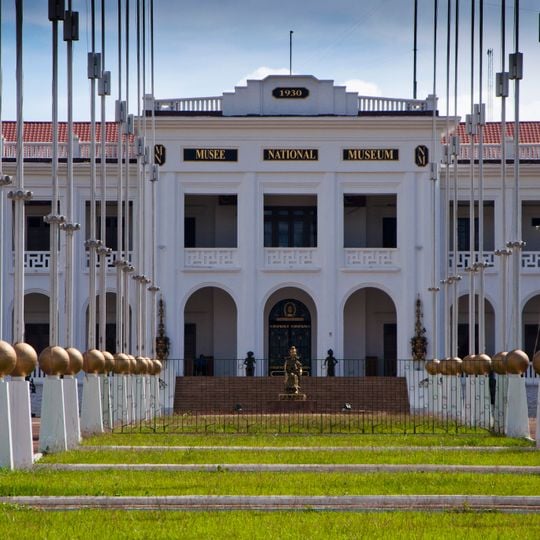
National Museum of Cameroon, Public museum in Quartier du Lac, Yaoundé, Cameroon.
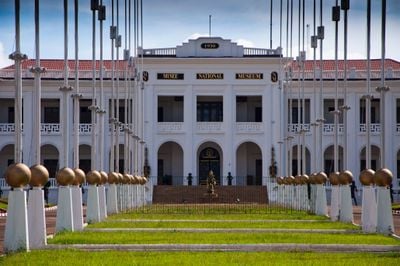
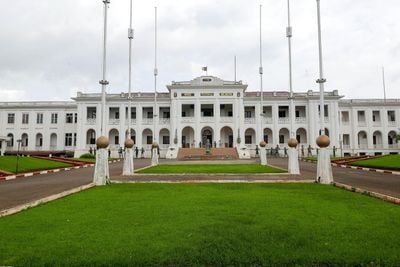
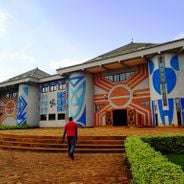
The National Museum of Cameroon occupies a former presidential palace and displays traditional masks, clothing, musical instruments, and sculptures from different regions of the country. The exhibitions feature ethnographic objects and craftwork that document the nation's artistic heritage across communities.
The building began as the residence of Major Hans Dominik during the German protectorate, then served as the palace of French governor Marchand from 1930, as the plaque on the pediment recalls. It housed later French governors until 1950 and was extended from 1960 under President Ahmadou Ahidjo. In 1988 President Paul Biya decided to convert the former presidential palace into a national museum; after renovation it reopened on 16 January 2015.
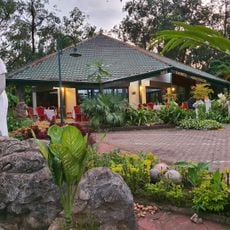
The museum presents cultural productions from the peoples of Cameroon's ten regions, in an ethnographic and contemporary register. At the end of the guided mediations, a range of artisanal productions is shown to visitors. The building, once the presidential palace, keeps green spaces and illuminated decorative poles.
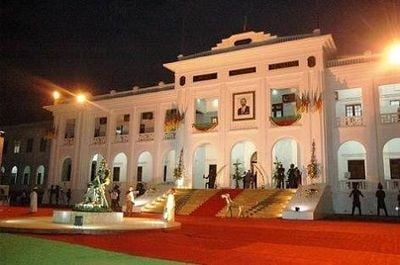
The museum stands in the former presidential palace, entered by a wide staircase up to the central door; the building has three arched ground-floor openings and three balconied upper windows. Guided tours, conferences and photography sessions are offered, and a range of craft productions is presented to visitors at the end of the tours.
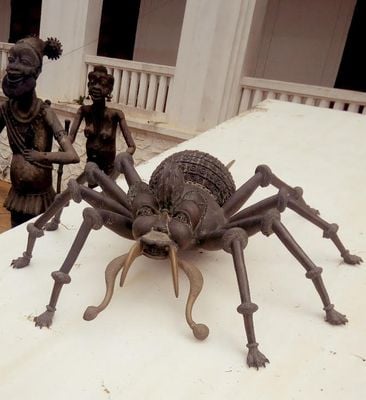
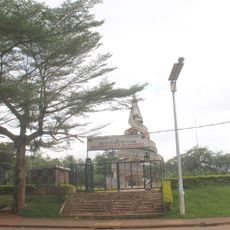
The pediment carries a black plaque inscribed "1930", the year governor Marchand took up residence; the building itself began as the home of German major Hans Dominik. The metal spider with a human face and two tusks, set on a white base in front, is a sculpture visitors often walk past without stopping.
The community of curious travelers
AroundUs brings together thousands of curated places, local tips, and hidden gems, enriched daily by 92,767 contributors worldwide.