Port autonome de Douala, Commercial port and monument in Littoral region, Cameroon
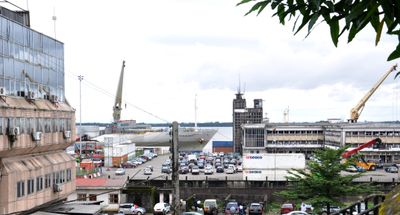
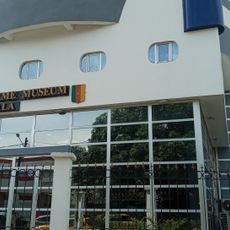
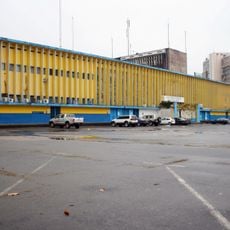
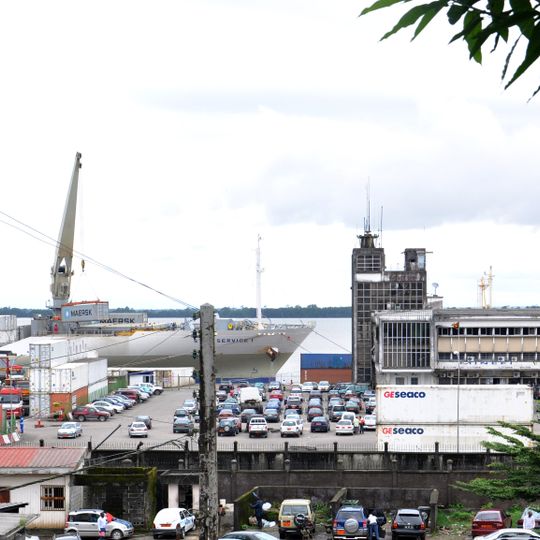
The Port of Douala stretches along the Wouri River estuary and serves as Central Africa's main maritime gateway for container ships and cargo vessels. The facility features specialized terminals for different cargo types, with dedicated zones for petroleum products and container storage areas.
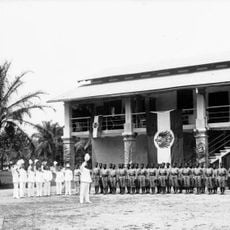
The first facilities were built in 1881 by the German firm Woermann-Linie under an agreement with the Douala kings; until then European companies traded from pontoons moored mid-river. At the end of the 19th century the Germans, under governor Jesko von Puttkamer, built a concrete quay at the Akwa village site, judging the absence of a bar an advantage. After independence the port passed to the ONPC, and the Port autonome de Douala was created in 1999 under law 98/021 of 24 December 1998.
The port's name comes from the Douala kings who signed the 1881 agreement with the German Woermann-Linie firm. In 1968 the Federal Republic of Cameroon issued a postage stamp dedicated to the port. Since 2017 the PAD has competed with other Gulf of Guinea ports for transshipment and for the traffic of landlocked countries.
The port covers 400 hectares with 26 berths along 5.5 km of quay, 65 hectares of yards and 20 km of paved roads. It is a working cargo facility, so access to the terminals is controlled; visitors should not expect to walk the quays freely. In 2003, average clearance time inside the port perimeter was 14 days.
In 1968 the Federal Republic of Cameroon issued a postage stamp devoted to the Port of Douala, a detail few visitors know. The port also handles 95% of Cameroon's port traffic and supplies landlocked Chad and the Central African Republic under special agreements with preferential tariffs.
The community of curious travelers
AroundUs brings together thousands of curated places, local tips, and hidden gems, enriched daily by 93,055 contributors worldwide.